Employment Services with Linda Butler

Linda Butler is the Director of Employment Services at the Center for Independent Living. Her team works to provide a wide array of different types of services to ensure people with disabilities can find meaningful and sustainable employment. So much goes into a meaningful and independent life in terms of our ability to be employed. Linda discusses these services and why it is important that we focus on ensuring that people with disability are meaningfully employed.

Find your local Florida office of Vocational Rehabilitation: http://www.rehabworks.org/

https://open.spotify.com/episode/1LtxBJ6wKcR2QcbweoKBFC

SPEAKERS: Linda Butler, Tony Delisle

Tony Delisle  00:50

And welcome back to another episode of The Independent Life. And today we are going to be talking about the four letter word, work. Which is a beautiful thing. You’re setting the context for this conversation. I’m going to be talking today to Linda Butler, who’s the Director of the Center for Independent Living’s of North Central Florida’s Employment Services. And Linda has an extensive amount of experience in getting people with disabilities employed into meaningful and sustainable employment. This is one of I consider to be the central pillars for independent living. And it is so important for not just, you know, monetary reasons, but for so many others that I look forward to having discussions about. But one of the things that is going on right now is because of the COVID pandemic, and we’re recording this in December, jobs have been shed at a rate not seen in my lifetime. And since the Great Depression many say. And so this is an issue area work employment, that is always important, as is always relevant. But now more than ever, in this area, we’re facing so many different changes and dynamics that we’ve never seen before. And of course, as we’ve mentioned, another podcast crisis means that there’s opportunity as well. And so that’s also very exciting. And so while it is always challenging and important for Independent Living, to find employment for people with disabilities, it is particularly now during this time, that that importance is very underscored. And I think many people who perhaps don’t even have disabilities can really relate to the importance of, you know, finding, and sustaining employment. So I’m very excited to talk to you today, Linda, so you can share with us some of the wonderful things that you do and how you do it, and how people can get involved. But some would like to start with first, you know, asking you, you know, why is employment services so needed?

Linda Butler  02:54

Well, I think that people with disabilities in general face more challenges. They may be having gaps in work history, you know, they haven’t been able to work for a while. And employers really look at that negatively. So we have to overcome that somehow, people have been out of work for a while. Also, they don’t understand necessarily, these new online applications. This is not necessarily real new, but maybe new to them. And it’s complicated. It’s not like filling out a paper application anymore, and just submitting it. Online applications have assessments with them in so many different aspects, that if you don’t know what you’re doing, you’re faced with a big challenge. Other things like interviews, going into an interview, somebody who is deaf. I had somebody call me one day and said, I’m going to an interview today and the employer doesn’t want to hire an ASL interpreter. And that’s a big issue, you know, do we challenge that employer and that person then doesn’t get the job because the employer doesn’t want to be challenged? You know, what about somebody with a verbal issue, they go into an interview and the employer comes out going I don’t really know the skills because the person couldn’t convey it. It’s important for us to be there to help out in these situations to ensure that the employer understands the abilities that that person has and and the ability to perform those positions regardless of the fact that they may have a disability. And it’s more important now you know, we have COVID a lot of businesses are challenged themselves, you know, trying to keep up. So there are less and less opportunities out there. So it’s it’s more of a necessity right now I think to receive and get help to get through that process of gaining the employment and, of course, then there’s keeping the employment too. But you know, we’re here to, we’re here to help, we’re here to guide people to give them the tools to help them out, I think it’s something that is very useful, you know, to come to a program like this to succeed.

Tony Delisle  05:12

Absolutely. And you bring up so many good points in there. And that started out mentioning all the different aspects that are needed in order to acquire a job, you know, just finding the job, you know, applying for the job, interviewing for the job, there’s so much that goes into that, and that has evolved in short order over the last 10 years. And it’s changed certainly a lot since, you know, I was looking for work 30 something plus years ago, and how it was then to look for jobs and versus now and all the other things that can go into it and the nuances and, and your job is to find people’s jobs, and your you will get a lot. Yeah, yeah, to assist, I find that to be one of the most noble professions that I have come across. And I come from the background of teaching, which I have an immense respect for teachers in the area of public health, and people that try to promote healthier lives for people. I gotta tell you, the amount of respect that I have for yourself, and your staff and others who work to assist people in getting employment is up there with those professions in my regard, my respect. I remember when I, the times where I was looking for jobs, you know, I just thought to myself and looking for a job is a full time job. You know, when you have the amount of people with disabilities that you and your staff are working with, I mean, it is a lot of people that you’re trying to find sustainable employment for. That’s a heavy lift, that’s a big lift. And it’s an important lift, because people with disabilities have an unemployment rate that is consistently two to three times greater than the unemployment rate for people without disabilities, no matter how good the economy’s doing, it’s always two to three times greater. And before COVID, our unemployment rate for people with disabilities was around 7.5%, compared to 3.5% for people without disabilities, the unemployment rate now for the general population is around that 7%. And it’s double now around 15%, for people with disabilities, and my fear is is that that gap could widen. We’re trying to figure out ways of closing that gap. And certainly you are on the frontlines of doing that. Again, I just really respect the why, behind why you all are doing what you’re doing. It’s such valuable and important work.

Linda Butler  07:24

it’s important for people, you know, in general, people out of work, you know, their standard of living goes down. They lose social interaction, a lot of people identify themselves and their self-worth with the job that they hold. Now they don’t have it. Take somebody with a disability who already be isolated, or have low self esteem, and put into that same situation where they don’t have a job, I think it’s even more important for them to get help to be able to have gainful employment. And you were talking about COVID, and how that relates to what’s going on right now. Even how we interview right now, we’ve had to learn the art of Zoom interview, and help people because it’s different, even in this past year, how it’s developed in interviewing and different aspects. So it’s more necessary than ever to, you know, to get support and get that help.

Tony Delisle  08:24

It is those things change so quickly how the technology is changing the way that people get interviewed, because of the pandemic, you know, usually accommodations that are needed for these changes are usually lagging behind. So it’s great to have people like yourself who are so keen on what those accommodations might be as something that is rapidly getting disrupted and changing so quickly. Sometimes there’s accommodations for what is needed to make sure that everybody has access to the those changes, is lagging. And it’s great that you all on the front lines and can catch that and be working with people to make sure that they don’t get you know, left behind. 

Linda Butler  08:58

Yeah, and we found that there have been some ups and downs through this past year. But overall, with our help, we’ve been able to help a lot of people in it, and it really hasn’t slowed down that much for us. We’re really happy that hasn’t happened and hopefully yet, we hope it doesn’t happen in the future, you know where it gets to that point, but we’re still doing pretty good at you know, reaching out there and getting people connected.

Tony Delisle  09:27

Well, that says a lot about the relationships you’ve had with our community well ahead of the pandemic. Yeah, having those relationships with employers and knowing the the areas in the fields and people that you’ve already placed in probably past time. So in working with our consumers, I’m sure has really helped during this time, you know, as well. One thing I want to go back to that you just mentioned is also people in their jobs, in their identity and kind of their self worth, you know, having something meaningful to do and social interactions. Again, going back to the why employment is so important. Certainly for paying rent, for food, for cost of living, or having the money, you know, just to get the bare necessities met, it is tied into our identity. When I meet someone for the first time, I’m often asked, “What do you do?” In most times their meaning work, you know, or school or whatever it is. 

Linda Butler  10:24

Well that’s how we answer. 

Tony Delisle  10:25

It is, right? It’s just so a part of like, our identity, you know, I’m not usually answering it saying, you know, I’m a father, or I’m a son, I’m an uncle. Yeah, you know, not answering necessarily that. And so as a society, and as a culture, it is something that we even identify others on in right or wrong, sometimes place value on those different types of professions. But it really does, I think, say something about our self esteem and our self worth, when we, you know, are contributing to an organization or a business, you’re usually it’s a mission of value that’s bigger than any one person not always feels good to have that kind of a purpose and direction. So…

Linda Butler  11:05

Yeah, I have a consumer who, you know, we’ve worked with for a while to apply for jobs to interview to, all the way through getting a job. And a lot of times she was just feeling down, like, Oh, I don’t know if I can do this anymore. This is this is just too much. But once she got that job, and what that job instilled in her, you know, that confidence, you just see just kind of a joy that I did it. And, you know, this is this is what I wanted to be doing. And now I’m here, you know, it is priceless, it’s, that’s what we want to see. We want to see somebody to the point where you know, they can overcome, you know, all of this doubt, you know, have something in their life, like everybody else does to give it meaning. That’s really great.

Tony Delisle  11:54

It’s wonderful when you can you kind of marry your work with your life’s purpose too, like, you’ve always had a dream of doing this in this field in this area, because it really fuels your fire, and you’re able to do it and you’re able to get paid to do something that you love to do. Yeah, that’s awesome. It’s really beautiful. Not many people can always say that, certainly working here at the center. And I can tell you really enjoy and love what you do. It is wonderful, it’s empowering. And then it bleeds over into other areas of your life, you’re a happier better person, it means you’re happier, better family member friend are more willing to help out others in need and, and to share some of some of that satisfaction that you have. And perhaps even like you said, gives confidence in one area. And then if I can do this, what else can I do? Right? And put yourself out there and try new things and hopefully lift others up as well. Yeah, that’s, that’s wonderful to see, you know how people with disabilities can really just benefit from employment. How do you see, you know, the other the other side of this coin is like you’ve been mentioning as employers, right? And so oftentimes, employers will interview someone with a disability, and will see the limitations perhaps what they can’t do, not necessarily what they can do and their strengths. Again, that’s tied into sometimes you know, how we identify other people. What are some of the things that you and I have worked with trying to educate employers awareness, breaking some myths and all these other kinds of things. When you talk to employers? What do you tell them about the benefits of hiring people with disabilities?

Linda Butler  13:40

Well, I think there’s a lot of benefits. I mean, people with disabilities because of what they’ve had to overcome, sometimes adapt better to changing situations. And they also bring alternate viewpoints, new ideas, fresh ideas, to solve problems that employers may be facing. It also improves morale. I think there’s been studies out there that if you have a person with a disability, working with you, it increases morale. I’ve seen some of this as well, you know, working with people on the worksite and seeing the people around them. We have this one girl who just blows everybody away by how she focuses and just does her job so well and quickly, and everybody’s like, Whoa, she’s Look at her. She’s so good. And then that kind of motivates them too Well, she can do I’m gonna do it too. Oh, yeah, right, exactly. So I think there’s those kinds of things but we also talk to employers about the Work Opportunity Tax Credit, they can get credit for hiring and keeping on a person with disability. There’s also the disabled access credit, which for any of the expenses they incur in accommodations, they can use some of the app for under the disabled access credit. So I mean, there are really numerous benefits. If you’re an employer, and you have customers coming in, if they see somebody like somebody with a disability working with them, the employer kind of gets a boost in credit for, you know, what they’re doing. You know, they’re, they’re helping their community or, you know, being open. If somebody with a disability goes into that store and sees somebody like themselves, there, they’re more likely to stay with that employer. I mean, there are a lot of different benefits for hiring somebody with a disability,ou know, working working here at the center, and with all centers, requiring that the staff and board over half have a disability in our center, I think it’s more like two thirds, you know, you and I get to see day in and day out what it’s like to work in an organization that is such a high prevalence of people with disabilities, like you said, the adaptability, there are challenges that we’re working with. So natural for many of our staff to be, you know, oh, this is how we adapt, we’re going to, you know, kind of look at the challenge, look at the barrier, understand it and look at all the different ways that we can adapt to it and get around it, get through it, get over it, and all these other wonderful things and do it with such enthusiasm, and such with the natural knack to do something like that, because that is kind of how we’re built and wired now is to see, okay, we’re used to this, we’re used to barriers and limitations, but it’s not a, you know, Roadblock, it won’t stop us, we’ll get through it. And we’ll do it with a good attitude. And because it’s kind of something that you know, we’ve gotten over or moved on with, or that’s just naturally how we are in that confidence and that enthusiasm, and that is infectious. I love that you mentioned that because I feel honored enough to work in an organization that has that type of diversity inside of it. And that’s wonderful. Yeah, that’s one of the greatest things about working here is is the diversity here. I think that for employers who have diverse populations, it’s the same thing that their employees really appreciate. You know, where they work so much more.

Tony Delisle  17:10

It creates a nice safe space, and people can be themselves and, and like you said that people in the community, see a piece of themselves are reflected back into them, it’s always a wonderful thing. And to see those kind of benefits that can come from employers. So one of the things that, you know, maybe that we can really kind of jump into here is, how would people get to know more about the services that you provide? So what is it exactly that you know, someone could expect to receive? If they come here, they’re there, they have a person with a disability, they want to work with the Center for Independent Living? What types of services could they look into, that are offered under the employment services?

Linda Butler  18:06

Yeah, for employment services, we offer competitive employment assistance, supported employment, which is more long term, more intense training on the job. We also have other services like pre-placement training to teach people the skills to become employed. These are things like interviewing skills, and how to write a resume and tailor it to the employer. We also have other services, we do job coaching, whether it’s supported or competitive employment, we can do job coaching, beyond the job with individuals. We have for youth self advocacy, which is another course teaches how to advocate for yourself, which is a really great skill, and particularly for the youth who were just coming out of high school into the real world. Learning how to speak up for yourself is very important. And it’s important even when it relates to jobs. So we have different types of things. We have work experiences for the youth are on the job training, where we can play somebody out in the community, and they can get that experience kind of a real life experience to test out whether this is the place for them. This is the kind of work they want to do. It also gives them the skills to eventually become employed in that type of work. We support people also with all of our other services here at the CIL. Anything that they might need, transportation, housing, assistance with getting bills paid sometimes, many of our consumers take advantage of that because you know, not being employed they may not have the ability to you know, meet their bills and we try to help them out with different services as well.

Tony Delisle  20:01

I think that’s one of the beauties of having an employment services baked within a Center for Independent Living, where you have all these wraparound type services that would obviously be needed sometimes if people are looking for employment, they, they might also be needing appropriate housing, they may need transportation, there may be other types of skills too, and that they’re looking for information and referral and, and all these other wonderful things that can get wrapped around into the people that you’re you’re working with. And, you know, so I love that you do the pre employment training, the advocacy, the on the job trainings that are offered, as you mentioned, you know, especially with youth transitioning from high school into post secondary life, the different supports that are there for people to find jobs as well. That’s fantastic. So if people wanted to get enrolled into these services, how would they go about doing that?

Linda Butler  20:54

Well, we’re a vendor with vocational rehabilitation. So they would call their local vocational rehabilitation office and go through the process of vocational rehabilitation, and they can ask for Center for Independent Living services for employment, come back to us, and we can help them out.

Tony Delisle  21:13

Great. Yeah, and we can put it in links into the show notes here about how to get in contact with the Florida Department of vocational rehabilitation, how to find your local office that’s around town. And so how you can meet with one of their counselors to see you know, where the best fit is. And if it’s a center here, we would love to be working with people to find meaningful employment in the community. And you I look forward to having more episodes on the topic of employment and disability, there are so many different areas that we can go into, regarding this topic. And you have so much experience, you’ve spent decades in this area, you’ve worked with so many different types of people of all different types of disabilities, all different types of ages, backgrounds, experiences, talents, interests. What is it that you’ve learned through your work with people with disabilities, that you would like other people to know about?

Linda Butler  22:07

Just that people with disabilities are people. People with all kinds of talents, unique talents, but just people you know, when you meet somebody with a disability, that is a person, take them at that, that’s, that’s what I’ve learned.

Tony Delisle  22:23

I love what you’re saying. For me I received that is kind of tied back into what you were saying earlier is when we see a disability, if it’s visible, we see that first. And there’s so much to a person beyond just the disability. And from my experiences, we’re all more alike than we are different. We have way more in common than we do different. And disability is one piece of that, you know, aspect. And so if you don’t have one, or you do have one, and there’s just so much more that we have in common of this human experience of what it means to be a person, so I appreciate what you’re saying, I’ve received that as a disability. Look beyond it. Yeah, and see yourself in others as well. And, you know, we’re living in a time where we’re looking for more unity, that’s a very important thing to always come back to, I think, is that we have more in common than we do different. And, you know, I think for some reason, we look at our differences, sometimes more. But you know, coming back to home, we’re all more alike than we are different is a very great point we’ll take in the question. We’re asking everybody, you know, as we initiate this podcast, and get into these beginning type episodes, what is to you, Linda Butler, the independent life?

Linda Butler  23:39

I relate to freedom, freedom, to just be. Freedom to get around your community, get around your house. Freedom to make choices, whether they’re good choices or bad choices. Freedom to make it. I just think that if everybody had the same freedoms that you know, it would be awesome.

Tony Delisle  24:02

Freedom, there’s a lot to be said for that. Well, Linda, I want to acknowledge you for so many of the time and effort, your thoughts, your skills, your talent, and your wisdom you put into this job. I’ve seen you dedicate yourself to a point to where you obviously have a lot of heart in what you do. You really care about other people. And you get it you’d work so very hard to lead others, your staff who are wonderful And likewise, are very dedicated and have a lot of hard to find people with disabilities, meaningful and sustainable employment. You’re so creative, too. I wanted to acknowledge your innovation. You’ve come up with like fire college camps, crime science investigation camps, all different kinds of ways of providing very engaging and meaningful opportunities to give people the skills, tools and experiences they need to find this kind of employment. Likewise, in the world of trying to go through all the different hoops that you need to go through, whether it’s administratively, whether it’s in the business community, all these different other moving pieces to your profession, you do with a high degree of skill. And it’s not easy to find someone that has all these different skill sets that are needed to really be blended together to do what you’re charged with doing so well. And so I just wanted to acknowledge you for all those kind of things that you do, and all those different kinds of buckets that are needed in order to integrate into getting people jobs. And so I just wanted to really acknowledge you for all that you do for the consumers. We serve for the Center, for your coworkers and for the community. What you do is priceless. So just want to thank you and acknowledge you for that and your for your staff as well, Linda.

Linda Butler  25:53

Well, I don’t do in a bubble. I have my staff, which are great, and, you know, support from administration too. So it’s not just me.

Tony Delisle  26:03

Well, thank you. Well, again, I appreciate all that you do, Linda, and for those of you that are tuning in and listening, thank you so much, and until next time, onward and upward.

Amy Feutz  26:19

Thanks for listening to The Independent Life podcast brought to you by the Center for Independent Living of North Central Florida. If you like what you hear, please rate review and subscribe. And if you know anyone who might benefit from listening, share this podcast and invite them to subscribe to for questions, suggestions, or if you have a story you’d like to share, please email us at cilncf.org@gmail.com or call us at 352-378-7474. Thanks for joining us. Until next time, support, advocate and empower each other to live the independent life.
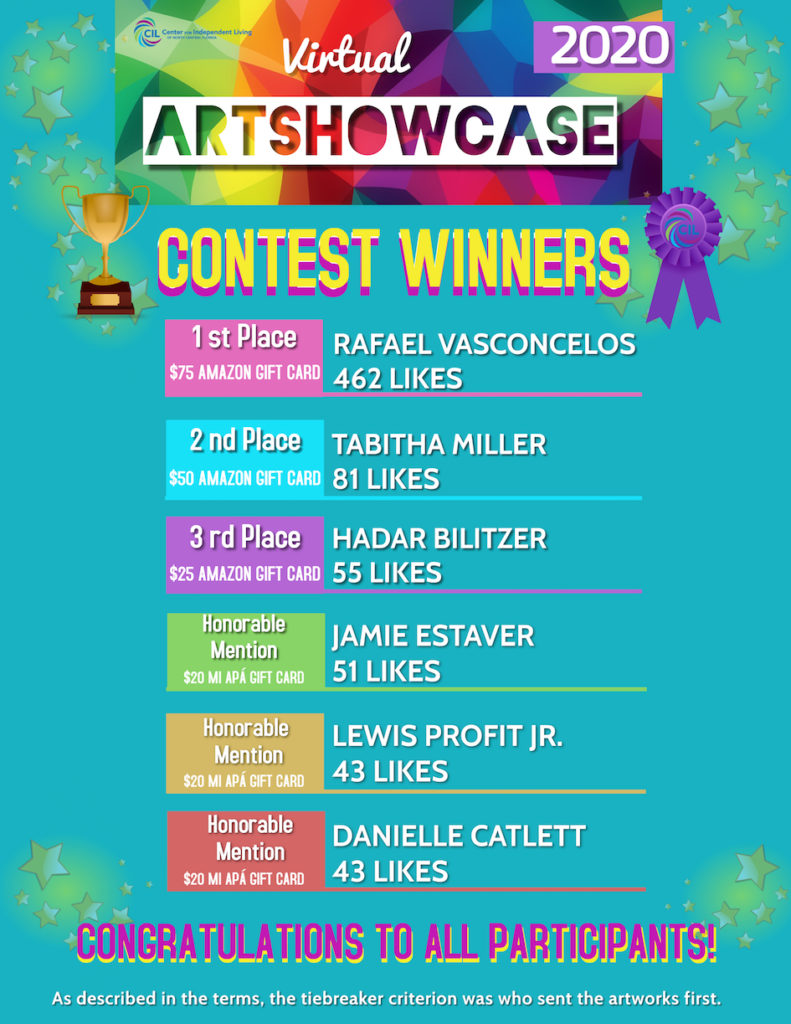
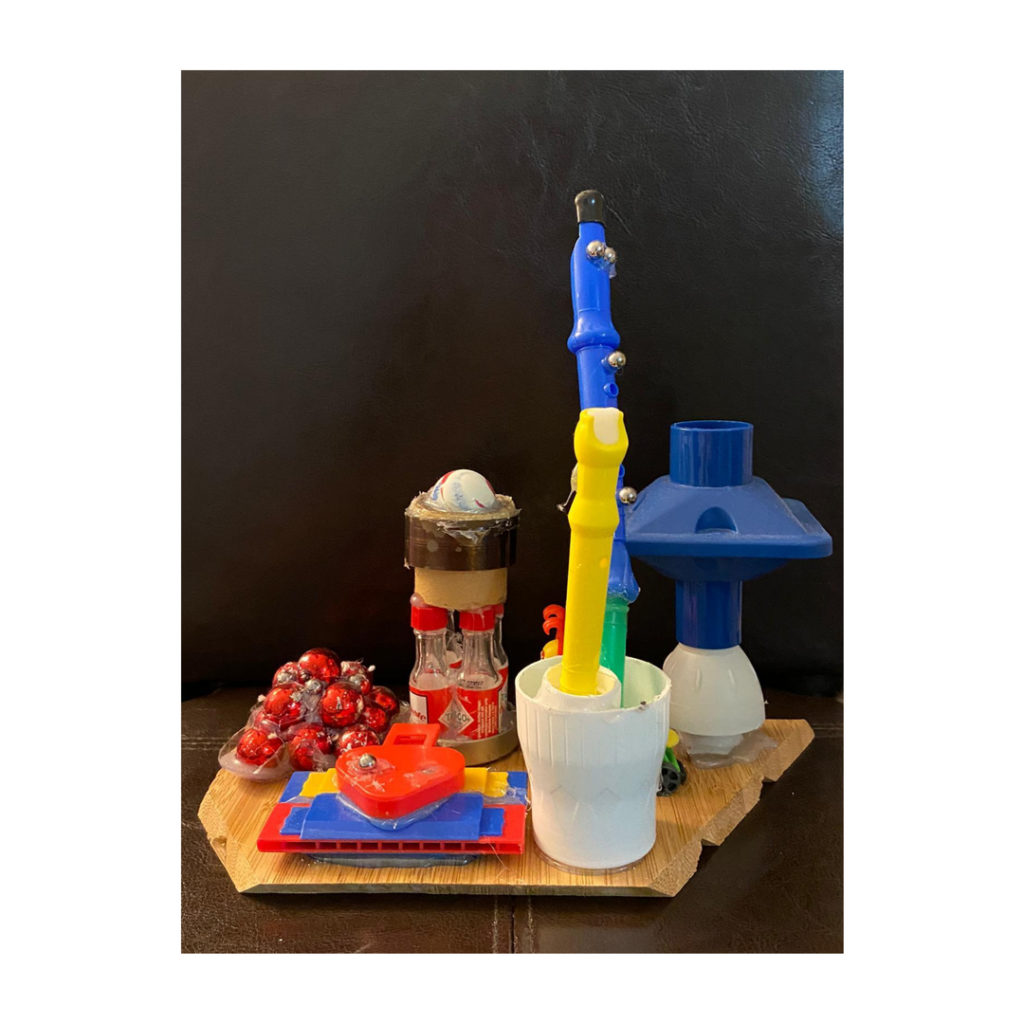
CIL Virtual Art Showcase Results!

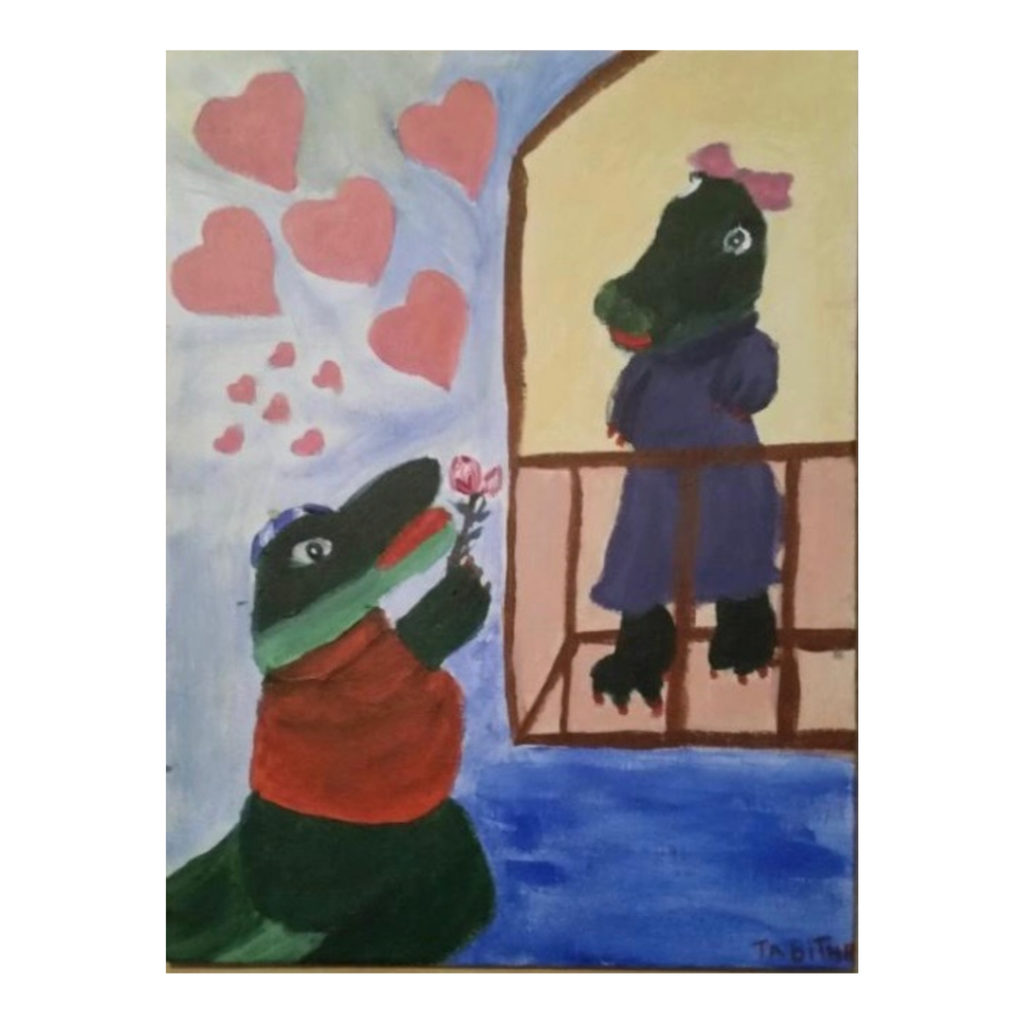
The CIL Virtual Art Showcase was a great success! People with disabilities from all over the state of Florida submitted their original artwork, such as drawings, paintings, sculptures, mosaics and photography. Throughout the process, we received artwork from 11 participants, exhibited a total of 45 pieces of artwork and had a total of 2,815 likes in just 8 days of the contest! Many thanks to all those who took some time to check and vote for their favorite artwork! Check out the winning participants and their artwork below!

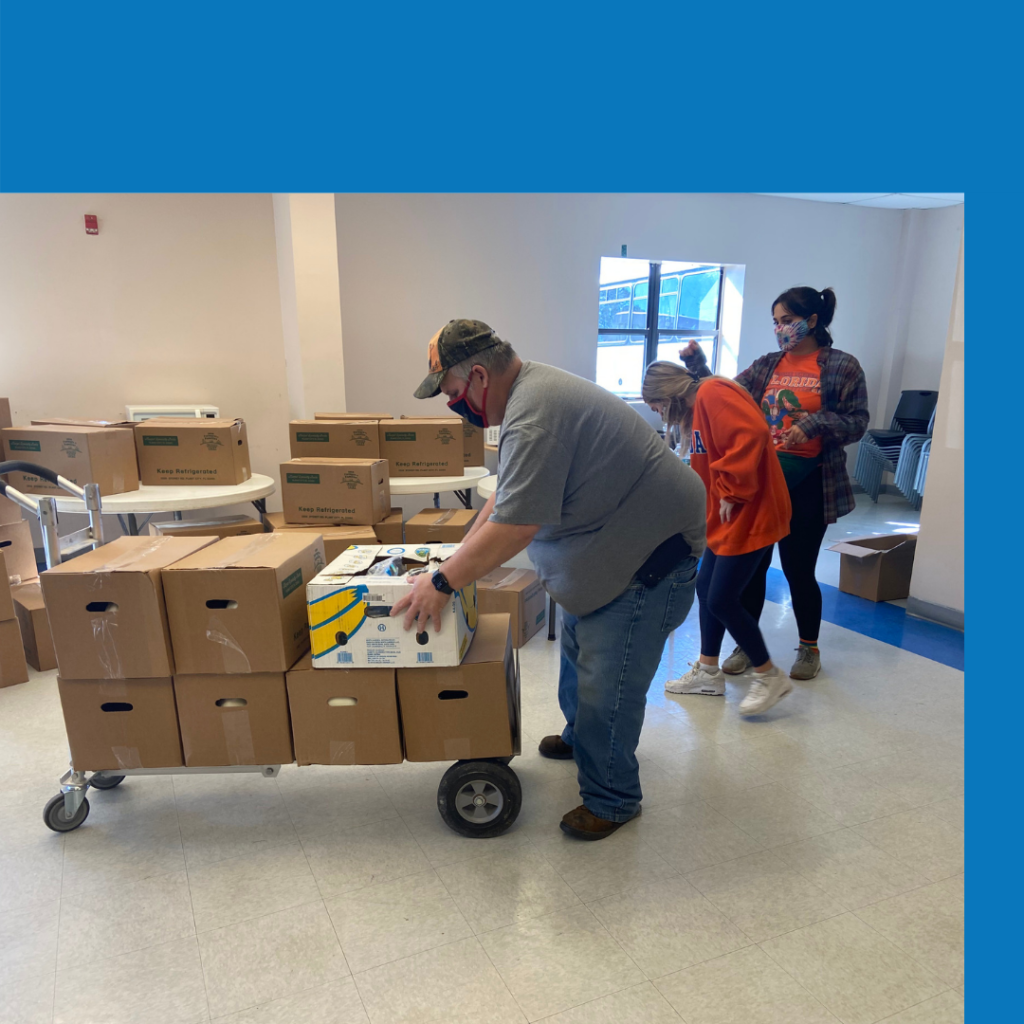
Rural Food Distribution at the ARC of Hernando County another success!

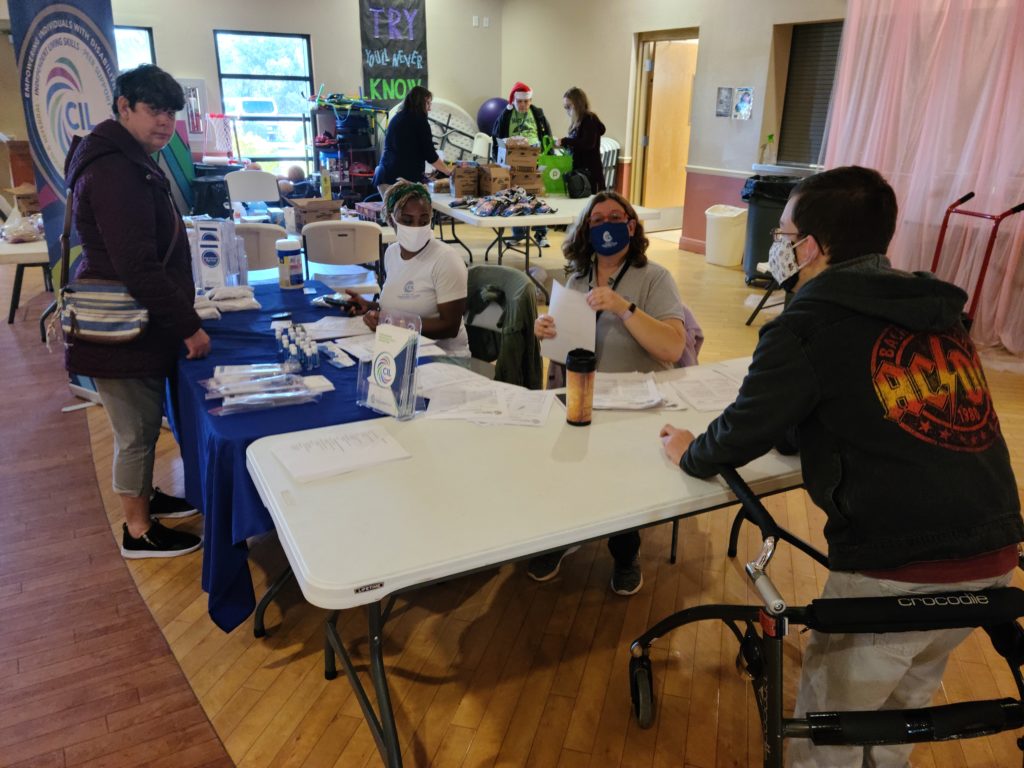
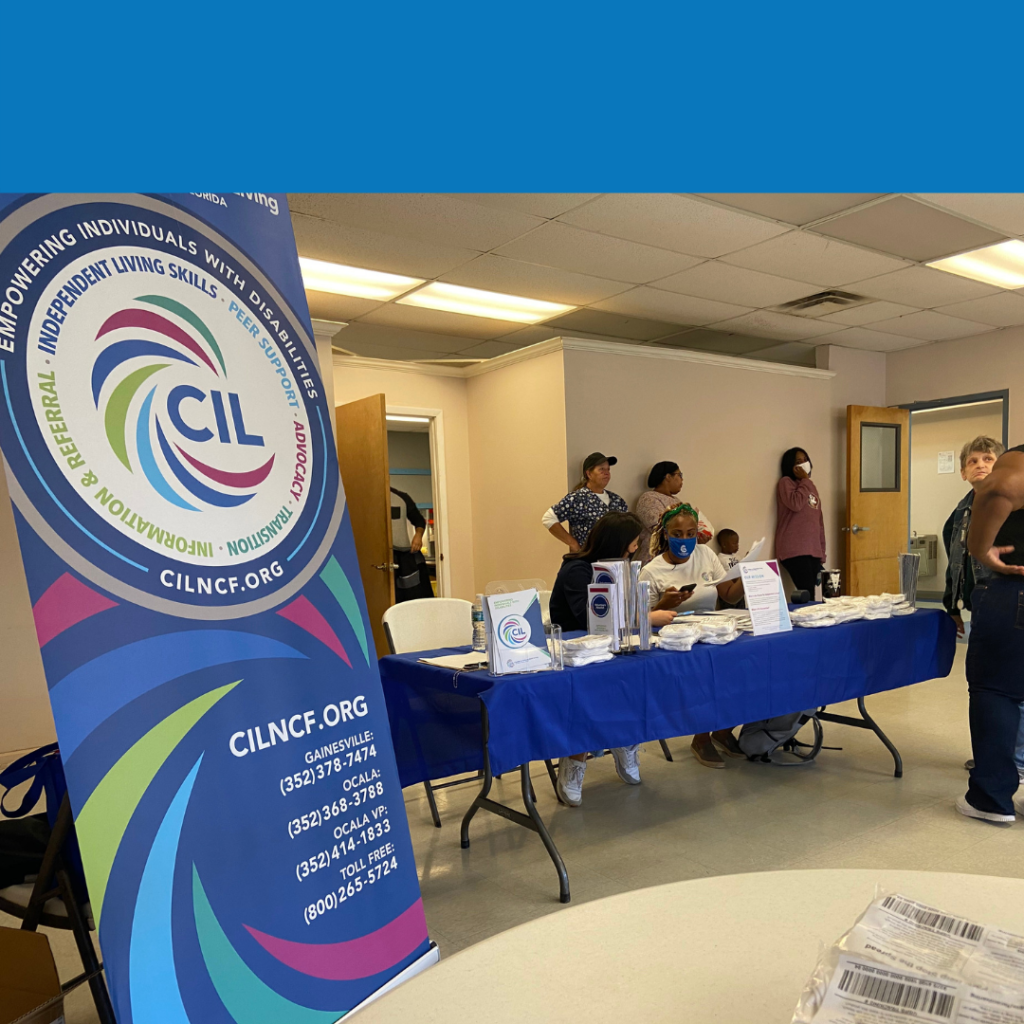
The ARC of Hernando County was such a pleasure to visit during the CIL’s second rural food distribution. The CIL was able to come in with such a welcoming and supportive staff, that it made the new service of providing food an ease. Our new consumers were happy to have us, as they were taking pictures and building relationships with conversations about life and future opportunities. We definitely enjoyed the outreach, and we look forward to building more services with the ARC of Hernando County in the future!

Leadership and Unity with Mark Bennett

Mark Bennett is the Principal of Decision Resources Incorporated, a consulting firm that works with leaders and organizations to help unify the organization to achieve superior results, to earn ethical reputations, and to adopt to the changing environments.

With 25 years of experience, Mark takes on a multitude of roles when working with organizations, from facilitating workshops to strategic consulting, and many different areas including mediation and conflict resolution, decision making, wise planning, and creative collaborations.

https://open.spotify.com/episode/2rhk1VuyHDEqRJBvvkAnIH

SPEAKERS: Tony Delisle, Mark Bennett

Mark Bennett  00:00

It could happen any time. Tornado, earthquake, Armageddon. It could happen. Or sunshine, love salvation. It could you know, that’s why we wake and look out. No guarantees in this life. But some bonuses like morning, like right now. Like noon, like evening.

Tony Delisle  00:37

And welcome back to another episode of The Independent Life I am so very excited about today’s interview, we are going to be interviewing many people throughout our episodes and it is only fitting that the first person that we interview here is somebody that our center has been working with for over the last year and a half. Many people with disabilities lead organizations specifically Centers for Independent Living, which over half of the people that work at the Centers and that are on the boards have a disability. So out of the 15 centers, for example, in the state of Florida here, each one of them has an executive director that occupies the position that I do here at our center. And like myself, many of these other directors have a disability and have to lead organizations and are involved with championing the missions and visions and values of organizations and supporting staff and all these wonderful things. And certainly there’s people with disabilities and all different types of levels of organizations that are leaders. And so our guest today, Mark Bennett is an expert in helping to consult with leaders and organizations. Mark is the principal of Decision Resources Incorporated, which is a consulting firm that helps to work with leaders in organizations to help unify the organization to achieve superior results, to earn ethical reputations, and to adapt to the changing environments that organizations find themselves in. Mark has 25 years of experience in working with private businesses, non for profits, governmental agencies, in universities, international organizations, and he does many different things with them. He facilitates workshops, he helps to be a consultant, a facilitator, many different roles that he can play in working with these organizations, specifically in the areas of mediation and conflict resolution, decision making, wise planning, and creative collaborations. Mark is the author of books that are related to these topics. One book is The Art of Mediation. Another book that he has written is The Fieldguide to Good Decision Making of Values in Action. And he has a book coming out in the winter of 2021, which I’m very excited to dive into, which is Unity By Design: The Architecture of Creative Collaboration. Mark is also got his law degree at the University of Texas where he’s also got graduate experience in the field of psychology, as well. As I alluded to, Mark has worked with us for the last year and a half. And he’s helped us go through the process of creating a strategic plan in which we have strategic goals, which we’ve redesigned our mission statement, which we have created principles and vision statements. And one of the first things that he did and working with us was to ensure that everyone in our organization, 35 people, the board, which is another 10 people, so 45 people collectively participated in this experience, it was not a top down approach, which typically happens in the strategic planning process. This involved everyone throughout the whole process, the whole organization, got to give feedback, participate, and really come up with what we’re very excited about in terms of our strategic plan. And one of the first places that he started with us was in our values, what are our values, he really had us look in the mirror and reflect on who we are who we wanted to be. And that is very core to the identity that we are having been embracing as a center. And so I’m just so very excited to bring Mark here to this podcast for this interview. He’s the kind of person that every time I connect with him, have a conversation with him, I end up leaving, feeling better, wiser, perhaps, than I entered into the conversation so it’s always a treat to have conversations with you and communicate with you and now to actually be able to share this with other people Mark. I’m truly honored to have you on here and to go into conversation with you.

Mark Bennett  04:53

Thank you so much for having me, Tony. I’m looking forward to diving in.

Tony Delisle  04:57

So as we record this November 19, 2020. Here we are in the middle of a pandemic. And in fact today, the news of the day is is that we’ve eclipsed a very grave milestone. Over a quarter million people in our country have been killed due to the Coronavirus. 11 million and counting have contracted the Coronavirus. Our society has been really turned upside down because of this pandemic. There’s also 157 years ago to the date was the Gettysburg Address. In there, obviously, the Civil War, Abraham Lincoln, and today we still are struggling with equity across the systems that are within our society, and is on Front Street right now is a still a major issue that we’re grappling with, as a society. We are, you know, a few weeks after a very controversial election and the landscape, you know, with the politics is very divisive. And so these are this very interesting and uncertain times. So my first question to you, Mark has to do with what do these times mean, for Centers for Independent Living, and other nonprofit organizations?

Mark Bennett  06:15

Tony, let’s start with a simple image, I use this image in some of my presentations. It’s an image of six people on a inflatable boat river raft, and they’re moving down a river filled with boulders and whitewater. And everybody’s in the boat, everybody’s got their life jackets on, they’ve got their helmets on, they got their paddles ready to paddle. And so the first thing about these times is we’re all in the same boat. And we need each other so much. So these kinds of times have so much volatility, and difficulty and novelty, we’re all off our map. And when we’re in this boat, this river that we’re on, we don’t know what’s ahead of us on the river, we don’t know what’s around the next bend, maybe the whitewater is going to be even more dangerous and even more difficult. So so the times are really calling upon organizations and their leaders to unify. And it’s one of the reasons when I worked with your organization and I work with other organizations that I put increasing stress on coming back to the guiding values and principles. Because this is the glue for an organization that will hold it together, no matter how tough the times become. Values and principles endure. Budgets change, political landscapes change, social conditions change, values endure. They’re part of the way you rig the boat and make sure everybody’s in the boat together and is oriented, looking down river with their paddles ready, ready to do their part, you know, no matter what comes around the bend in the river. So that’s the first thing I would observe about the times that we’re in that places a premium for organizational unity, because that’s how you’re not only going to survive, but perhaps even thrive. The Times that we’re in have an acronym that emerged originally from military planners looking at the changing nature of the modern battlefield, but but it’s moved from military parlance into organization and organizational development. And it’s called a V.U.C.A environment, V-U-C-A which means volatile, uncertain, chaotic, and ambiguous, volatile, uncertain, chaotic and ambiguous. So I have some news for everybody who’s listening today. And it’s not news that most of us want to think about. People like to use the phrase, the new normal, there is no new normal, there’s change. But that it’s not just the pandemic, as you mentioned, there racial equity issues, there’s climate change issues, there’s population issues that are cascading in this world, and we’re going to continue to produce change in all of our environments. And if that isn’t enough, we’ve got a layer underneath that the prospect for a level of technological change in the next 10 years. That’s the equivalent of the change in the United States between 1920 and 2020. 100 years of technological change in the next decade. It’s hard to even imagine how that is going to place challenges in front of us and some opportunities. There are some of those technologies that are going to be amazing new things that are going to help us but but just to cope with that level of time. Change has a level of stress and challenge to it as people need to retrain themselves and learn new technologies and how they’re going to affect job delivery and working together. And you now tell me that one of those technologies we’re all living through now, everybody’s got a life on something called Zoom now that many of us didn’t even know existed a little over a year ago. It was some exotic technology that a few people used. And now it’s the way we do business. And that’s all within 10 months. That’s a huge shift. So those are, those are some of my observations. I want to add one more thing in terms of the context. Part of what has helped me work with your group. And by the way, I love to work with mission driven organizations, there’s so much heart in mission driven organizations, when I get a chance to work with a group like yours, it’s a particular pleasure, because I know that people are deeply connected to wanting to do their best to help the people who were waiting for them. So 15 years ago, I had an experience in a strategic planning process that shifted the way that I did the work. I’d done it for a decade before that, and I’ve been doing it in the 15 years since there was a pivot point in my work. And I was sitting in a national laboratory here in the United States working with the senior leadership team. And one of the people on that team happened to have gone to college with someone who’d been become a lifelong friend. And his friend had become one of the leading futurists in the world. And he agreed to fly in for free and do a consultation with this leadership team. And I got to sit in the back of the room and hear somebody who thinks about the future, perhaps as much as anybody on the planet talk about the next 20 years. And this was in 2005. So now we’re 15 years into his forecasts. I still pull my notes out from that session that he did. And he has been spot on in predicting the kind of world, not the specifics, but the general trends and the things that were going to shape the future. And one of the things he said that day has forever changed the way that I think about helping organizations when I work with them. He said leaders cannot predict the future, but they can enable it. And what he meant was that leaders can help organizations prepare to adapt, prepare to be flexible, and ready to work together and shift directions as needed in an uncertain V.U.C.A environment. Because we’re going around the bend in the river and all of a sudden, we’re going to be dealing with a whole new set of conditions, we have to be adaptable and ready to work together, no matter what comes down. So that’s my essential message about the times are saying that CIL and all your sister organizations across Florida and the country, and many other organizations have to really think about how we become more adaptable together, because that’s what’s going to get us through these uncertain times.

Tony Delisle  13:14

You put a lot in there, Mark, I gotta say that, you know, when we look at all these different forces, pandemic, the racial inequities that exist the inequities of people with disabilities in the environment, the population growth, technology, it reminds me of the book by Thomas Friedman, Thank You for Being Late, where he talks about the acceleration as you’re mentioning the acceleration of these forces as they intersect with one another and impact us. And, you know, with that, I’m interested to know, how can organizations like Centers for Independent Living, like other community based organizations that serve people develop capacity during these uncertain times and be able to adapt during them?

Mark Bennett  13:58

Well, again, you got to think of adaptive capacity as your compass north, that’s what you’re guiding by how do we become more adaptable. And there there are three fundamental ways. I call them the robust strategies of adaptive capacity. And by robust, I mean, no matter how the environment around you  is going to change. And since you can’t predict it, any one of these strategies is going to help you. And when you put all three of them together, they have a kind of a synergy. So I’ll just name them first. So you’ve got the list in mind, and then we’ll go through them one at a time, and perhaps you can, we can have some back and forth. So the three strategies are unity, and then agility, and then force multiplication. So those are the three strategies. We’ll start with Unity. And then I know you think about this a lot inside your organization. So I want to have a back and forth with you about it. So we’ve already talked about values. An organization needs a really clear value statement because that’s, that’s your unity charter. These are this is these are the things we all agree to, and that we all commit to doing our best to actualize. That’s the first thing. The second thing is something that I’ve worked at CIL, where then I know you have been a big a big proponent of is in order to be unified, it has to be an environment where people all feel that they belong, and people will not feel they belong if the environment isn’t psychologically safe enough. So people get that sense of ownership and belonging when they feel that they can make a contribution, and they can speak up and their voice matters, that they can make a difference. So those are a couple of the major elements of unity.

Tony Delisle  16:10

So when we talk about unity, one of the things that it reminds me of is a quote that often you have in your signature line, in your emails from Helen Keller, you want to share that quote? 

Mark Bennett  16:24

Sure. Well, first of all, I’m a great fan of people who speak from a deep level of lived experience. And Helen Keller, thinking of people, you know, who’ve led the independent living movement, having some big challenges to face. Helen Keller, she’s, she’s a rock star, from my point of view. And she said, alone, we can do so little together, we can do so much.

Tony Delisle  16:51

And that’s where I really, you know, think about unity. And it just seems like even from an evolutionary perspective, people need each other. Like we wouldn’t have survived so long ago, we weren’t necessarily the strongest or the best adapted for the environment, you know, some would debate even the smartest, but what we seem to do as a species was be able to collaborate, to come together to survive. And through the 1000s of years through that collaboration, we have been able to, you know, come over out of a civilization that we have had. And now that there was more concrete, fundamental needs are met, still see collaboration, unity is a huge part of this. Back then, you know, the safety had perhaps do with more, you know, your physical well being, do you have shelter? Do you have, you know, your food, water? You know, are you safe from physical threats nowadays, it seems to be for many people, especially in organizations, is less physical threats. And more, as you mentioned, psychological threats, perhaps that are out there. And creating that safe space for people to feel welcomed psychologically, in an organization, especially as it pertains to unity and unifying the organization together is so important. So what are some of the key elements that you find that are needed to cultivate psychological safety within an organization?

Mark Bennett  18:23

Well, there are several, and one of them is that you need people in positions of leadership. And let me step back and say that I think leadership exists at many levels of organizations, it’s obvious with somebody in your position, you have a very clear leadership title, and a board of directors is hiring you to lead the organization. But there are also people who lead by example, who have no titles. And then of course, there are people who are supervisors and managers of departments, who also have leadership responsibilities along with their management title. So I like to think of leadership is distributed in the organization. And people who are leaders show other people by example, what psychological safety is. And it’s simple things like asking people what they think, and respectfully listening to them, because that draws people forward and makes them feel that their ideas matter. It also includes admitting mistakes and being open and honest with people because that makes it psychologically safer for other people to admit mistakes, and not feel defensive or ashamed. Because mistakes can teach us so much. And they can teach other people in the organization who then don’t have to make the same mistake. So you need a mistake, friendly environment to grow psychological safety. And that starts with a leader. There was a person in a leadership position in an organization that I read an interview with him in a book and he said the four most important words that any leader can say are “I screwed that up.” And then you know that that you put it on the table, other people can then see that it’s safe to put it on the table. So so those are several things that are really bread and butter, psychologically safe enhancements that can happen in organizations.

Tony Delisle  20:18

Well, I tell you what, you know, I really appreciate going back to your your definition of a leader is not a position, it’s not a title, you know, we may have positions of authority. But that doesn’t mean that people are following you. And if you’re in a position of authority, and no one’s following you, you’re not a leader, you’re just out for a walk. And that resonates with me, and many of the organizations that I’ve been in. This organization as well, as far as the organizational chart is concerned, they may not be in that position, but the work that they do, other people are resonating with them, they help to elevate their skills and their abilities, just by the mere fact of their talents, their commitment, the values that they embrace, along the way, really lift other boats up, so to speak, in their work that they do. So I really appreciate you laying out the fact that, you know, leaders are in a position of authority, it’s the way you conduct yourself and the values that you have, and it’s your influence on other people. The other piece of what you said that really resonates with me is the ability to admit to mistakes, you know, I find that people in positions of authority often, and I’m not excluded from this have egos and the ego can be a very bad thing. And people that tend to be a egoic, do not like to admit mistakes, will try to either cover them up or push them off on other people and, and that can just be a real inhibitor to the organization. Again, it can be a teachable moment, it can show humility, from a leader to say, hey, like you said, I screwed this up. And this is how I screwed this up. And, and then ask other people like you were kind of saying before, you know, don’t come in there thinking you’re the know it all, the collective wisdom of the group can be very valuable. And to being a good listener and active listener, not just throwing out your opinions, but actually really hearing out what people have to say, is, is an integral part of that and recovering from mistakes where we do screw it up. I think it was Nelson Mandela that said, don’t measure me on the number of times that I’ve succeeded, but rather on the number of times that I have failed, and gotten back up again, you know, I just think that’s a that’s a huge thing is to have a mistake free environment to where those aren’t necessarily mistakes, if we learn from them, they’re lessons. So that definitely resonates with me in terms of that.

Mark Bennett  22:43

So I wanted I gave you one four word statement that any leader can say that build psychological safety, I screwed that up. And another one is, I need your help. Which is the person who’s not a no at all, but is a servant leader. And, and is working really, even though there’s a hierarchy is working on a horizontal level with people side by side. And I think that really hardens people, and shows people their value and their necessity in the organization. One other thing, before we leave psychological safety, I want to add that a that a leader can leader can do is really show a full commitment to the guiding values and principles and then be open and transparent with people about decision making. Because that’s a quality of integrity. And when people know an environment is an ethical, integrity filled environment that raises the level of psychological safety. That’s one last thing that I would add. Finally, Tony, I’m thinking about leadership, I like to say there are leaders, those are the people with the titles, and then there are those who lead. And unfortunately, there are more than a few leaders in our society and all different kinds of organizations who are not real leaders, they have the titles and the authority. They may think of themselves as leaders, but they’re not true leading us. They’re missing these other elements. And yet there are also people without any titles who show up and are good examples of being good teammates and collaborators and moral examples with the way they treat other people their reading.

Tony Delisle  24:24

You know, one of the things that you were mentioning there is the values. And this, I don’t want to you know, get lost, you know, in terms of just like, you know, it’s commonly thrown out there. But I gotta tell you for what you did, or your work with us, as I mentioned, that’s where you started. You said like, what are your values, and it was a real look in the mirror time for us. Some of them were very evident and apparent, such as caring about people, empathy in our organization and many other human service organizations. That’s a huge part of doing the work that we do is we care about people. So boom, that was a value. Integrity, you know, Another value that we had, diversity, collaboration, like going back to the unity. And for us as an organization during these uncertain times, those values when we still don’t know the future, we can really retreat and circle the wagons around those values to provide us still with a compass during these insert, which way do we go or anything else like that this is a really good place to orient an organization. So I really appreciate the work that you did with us to really surface those values that, you know, intuitively, we knew were there. But until you helped to guide us in having a conversation to really crystallize those values. You know, I’m just very thankful that we did the work with you, ahead of the pandemic, and social unrest, and political unrest, and an acceleration of technology and environment and all these other kinds of things. Because this is allowing our organization to really circle the wagons around these core values that we have, even though we might not know exactly where the boat may take us. Due to these external forces, we have those internal values to provide us that compass.

Mark Bennett  26:09

Well, your organization’s experience has been confirmed for me many other times, which is why I don’t have any lack of confidence about I can’t insist with my clients, but I can strongly encourage them before they want to jump into strategy and problem solving, to take a step back, and really make sure their underlying value structure is clear, well defined, and strong and shared by the people who are sitting around this table trying to plan for the future. One of the things I might say about that is the values are usually stated as nouns like collaboration and integrity, or quality. And they’re single words, the values will not come alive as a noun, because they may mean too many different things to different people. So each one of those nouns needs to be succinctly and carefully defined. And then you need some verbs underneath it about the kind of activities and action commitments that you’re going to follow, that are going to breathe life into those big words of caring, and excellence, and quality and integrity. They only come alive in the doing. And so one of the things I began to push my clients harder on is not just getting the list of nouns, and even getting the list of definitions, but really working with a statement of one of those action commitments that are going to help them breathe life into the nouns. How will people see it? How will they know that we really do believe this not just that we say we believe it, but what does it look like in action. And that’s why the subtitle of my second book was values in action. I was interested in decision making and how people take those values and put them into action when they have to make a tough decision. In other words, we know what the talk is, but what’s the walk? and difficult decisions really put that question to organizations because they can’t do everything they’d like to do, the choices are hard. And therefore, that’s where you want your values right there in the middle of the table, when you’re really trying to wrestle with what’s the right thing to do, our values are going to show us what the right thing to do is in this situation.

Tony Delisle  28:23

I agree when you when you helped us craft our five values, and you had us work to identify three action principles that accompany each of those five values. I think that’s what really gave us had made those values come alive. Like they just weren’t a noun, that they actually had the the verb the action to follow that up. And again, a such a centerpiece for strategic planning that you did with us. So as far as leadership, we’re talking about leadership and you know, leaders, what do you see the role as leaders in supporting their staff, and organizations during moving forward during these these trying times these uncertain times? What is the what is our role in being able to support our staff and the organization in moving forward? 

Mark Bennett  29:13

Well let’s start with a with a maybe self evident word, but your role is critical. More than ever, in these times, the leader needs to be in this place where he or she can really support people and connect with people and bring them back to the values really, really help people know that you’re within this structure of values and ethics here in this organization and psychological safety, and that we need everybody now more than ever so much so. So it’s more than a cheerleader role. You know, the leader needs to instill with the force of his or her conviction of belief that I don’t know how We’re going to get through this. But I do know that we’re going to do it by sticking together, and helping choreograph the kind of collaboration in teams, helping thing your virtual teams really think about how they keep their communication, and engagement with each other strong. So that there’s enough trust and creativity in those teams to really problem solve and break through some of the challenges that are going to be on the organization’s plate. One of the things I will say, Tony, because I coach leaders individually, and then I work with leaders as I have with you, where I’m working with you, with your board or you with your leadership team. I think there’s an extra level of stress on leaders because of the amount of demand that the organization places on them to help everybody stick together. And so I’m a great believer in leaders like you making sure that your self care program is strong to get through these times. Because you know, you need to be healthy. And you need to be able to project this life force of conviction, and we’re going to figure it out together, you’ve got to be honest with people, which means we don’t know exactly how we’re going to figure this budget cut out. But we do know that the way to do it is to get collective intelligence involved and work together and make sure everybody is contributing to sacrifice of sacrifices needed, you know, with severe budget cutbacks or something like that. So that those are a few my top of my thoughts about leaders, I think they need to be able to show up wherever they’re needed in the organization and project this sense of confidence, but not out of arrogance or or overconfidence, but confidence in belief in the values in the organization and the we that are going to get us through.

Tony Delisle  31:47

That definitely resonates with me on many levels. Starting out with where you kind of were taking us there was the self care in leadership development and trainings and other areas in entrepreneurship, there’s a lot of attention on making sure that you have the energy to be able to do this work, it takes a lot of energy, whether it’s physical energy, mental energy and emotional energy, and how do we take care of those things? And how do we make sure that we have the right energy? Well, it’s you know, the the basics sometimes, you know, it’s, are we eating healthy? Are we getting enough sleep, are we being physically active enough to help go through some of the stress that we’re going through and to be able to do the work that we’re doing and, and I look forward to this podcast, and doing more in terms of really highlighting the necessity to make sure that we have the energy and physical, mental, emotional and social health to do the work that we’re doing, especially during these trying times where there is that added layer of anxiety, and stress, and those kind of things. And when things fall on the shoulders of leaders, we need to make sure that we’re taking care of ourselves, so we can care for others. So that really does resonate with me on many levels of why we need to be doing that. But also, you know, I really feel, you know, one of the strategic goals that we have is providing a healthy work culture here. And certainly psychological safety is part of that. And I do really want to provide where people who are staff, I’m very concerned about their mental health, their their well being, during these times, beyond even their work productivity. But personally, that’s such an important piece of all of this, that I think that we’re all experiencing through this and that authenticity, like you were mentioning before, you know, being transparent about where we’re at, not knowing where we’re going to be very honest about some of those kinds of things, I think can be very helpful. And lastly, you started out again, talking about unity, and I don’t want to let that you know, to ring hollow on people. I’ve been recently thinking about USA, the “U” is united. And that old cliche about united we stand divided we fall. I think about that all the time now, but especially during these times where it does seem that there’s more division than ever, where can we become more united together as a collective, because we do need each other. And one of the themes of this podcast is that one of the areas where we can become more united is this space, is this part of the natural human condition called disability. The fact that everybody will experience disability in some way or shape or form in their lives, whether they have a disability, whether they if they don’t have a disability, they certainly know someone that does. If they don’t have a disability, they’re likely going to get one in their life. It’s just a natural part of the human condition. That all of us no matter where we come from, where we’re born, what race or religion, etc, that we have. This is an area that we can all come together on and I’m not saying that as a as a dark thing to come to get around but is a very important thing to come together on because of all the values and virtues that come from, you know, having a disability, the strength based parts of this we can, you know, find this is a common ground, because it is something that touches all of us. So I, you know, I want to ask you in working with our organization that is centered around serving the needs of people with disabilities and, and really empowering people with disabilities to live independently. What have you learned about people with disabilities or just disabilities in general, in your work with us or in coming into the work with us. I know you’re you’re very wise and may have some thoughts to share. And, you know, would like to know that maybe some of your thoughts on on disability?

Mark Bennett  35:47

Well, I appreciate the way you’re framing this. And I just want to come back to leadership for a bit. One of the things I think leaders can do for, for people, whether that’s your consumers and people in the community, who you have to engage with, or it’s your staff internally, or it’s your board, leaders can help people frame and reframe how we’re looking at situations. And this master frame that you’re offering us is to rather than to think about disability as something that separates me from you, because you Tony have a disability and I Mark don’t have a disability, we’re really in this larger frame together, which is human being. And you know, within the human, we human, the human experience, there’s this possibility for all of us to have people we love, have to come to a disability or be born with one or for, it happened to any one of us that that can change very quickly in life. So I’m appreciating this larger frame. And I have to tell you, I’m going to share a personal experience with you because I’ve been fortunate to have good health throughout my life. And after I came back from a road trip once I was playing a game with my my oldest son. And during this game, we were running around on a playground, and I was chasing a frisbee that he threw, and I ran into the end of a teeter totter. When I was chasing the Frisbee, I didn’t see it because I was looking back over my shoulder. It caught me in the Adam’s apple in the neck, and I was disabled in terms of my ability to speak. And it sent me on a course of rehabilitation that took me over about two and a half years to complete. And I was somebody who use my voice to make a living as a speaker, you know, as a teacher, a professor, and I’m, you know, mediator. So I went from being able-bodied, to being disabled and not able to work. And I had to go through a period of time where I slowly built up my capacity to speak again, and I had to relearn how to use my damaged vocal apparatus. And I had to find people to help me with that. So one of the things that I guess that’s what started me on my deeper understanding of the nature of being able bodied versus having a disability, because I went overnight from those two different categories between them. So one of the things I’ve learned is that there’s much more that unites us in human beings than divides us. That’s a principle that really informs my work. And when people talk about their differences, one of the things I learned as a professional mediator is instead of staying focused on what we disagree about, let’s not over focus on that, let’s talk about what we agree on. And then let’s look at what we disagree about, from the point of view of what unites us or what we agree about. So that that principle is a mediator is one that I use a lot and I don’t have to be in a conflict with people to know if people are getting tense and having trouble listening to each other. I try and move them back to the common ground so that they get a run of the disagreement or the tension from that place of remembering that there’s a lot really unites us far more than we think about. And that’s true with the political divides in this country. You know, these remarkably hard categories that people think that they live in, that are blue or red, you know, or conservative or liberal. And what I know is that underneath those categories, there are tremendous Li powerful bonds of commonality and shared interests. And so I’m a great believer in the power of remembering what unites us.

Tony Delisle  40:00

I love what you said about we have more in common than we do different. I don’t know if it’s a part of human nature that we want to look more towards our differences sometime and really, you know, amplified that part of it. But I do agree with you that, you know, we all know what fear feels like, we all know what love feels like, we all know what anger feels like, or joy, or sadness, and all these different states of just what it means to be a human being. And whether you have a disability, whether you come from different races, or ethnicities, whether you identify as male or female, it just seems like these, like core human, what it means to be human is really something that can really bring us together. And as you’re saying that, you know, I don’t think look into politics is the way that we come necessarily to unite ourselves, I think we’re looking at that space somehow is like a unifying space for us. And you know, as you’re speaking about organizations and organizations really working within itself together, but as organizations have Centers for Independent Living, we’re in the service business, we’re trying to, you know, help and reach out to other people. And from what I found when working to help others, I work with people that aren’t the same, you know, ethnicity or race as I am, I’m working with people that have maybe different sexual orientations, different political affiliations, but we’re getting together, and we’re working to serve the greater good. And in that process of working and service, and together, there’s this sense of unity with one another, and belongingness, and connection. And I really feel like the space of service for the greater good, the betterment of others, is a place where we can really unify. 

Mark Bennett  41:37

I really am appreciating the sound of that. And once again, you’re reframing for our audience, you help other people see things perhaps a little bit differently, or help them see more clearly. And what you described as services, as a powerful mission force that can unite people is really important, because in the wise planning work that I did was CIL,  after you get the values, then you turn to the mission statement. What is our fundamental purpose for existence that unites us in this common cause? And the CIL mission is deeply connected to the service imperative. There are people there who need our help, our job is to serve them, to really help them and empower them and encourage them and and help them be adequately resourced so that they can live independent lives. And so they’re not there’s nothing like a noble mission to be a galvanizing force to pull people together. And then the other thing that comes from that, that I did work with your organization also is then you want a vision out there on the horizon that everybody can point towards together that like the mission sort of pushes you forward, you know, you know, you want to go there, and the vision pulls you to a particular place that you want to get to together. And then you have to create the goals and objectives and the hard work to close that gap between where you are now and where you end up in a couple of years. 

Tony Delisle  42:25

And that’s what’s really helped our organization out with the planning that you did with us the wise planning was that we tend to have a vision that there is no finish line to, you know, we want to empower all people with disabilities everywhere to live independently. And that is a noble mission, as our other missions, for instance, Dr. Martin Luther King who basically saw a world where all people, no matter what race, where you came from, coming together, peacefully collectively together. I’m not sure there’s a finish line to that kind of work and when you helped us create these, what you call horizon visions, that we could actually see perhaps, you know, achieving, getting to a place but it’s very helpful to chunk that out because I think sometimes, you know, it can be disheartening when we have these no finish line visions that are out there that will go on and on this work long after we’re here on this planet.

Mark Bennett  44:12

Right, I have found out early in my work that is important is those powerful, what I call permanent visions or enduring visions are about making the world a different place more peaceful, more fair, more just that I found that this horizon vision where people could get line of sight from where they are now imagine even if it’s a stretch, we could get there together you know, we need we need more money than we have now. Or you know, we were going to need some resources. We don’t know where we’re going to get those resources but but it’s a stretch worth making. And that in that horizon vision lies on a line of sight over the horizon to the permanent vision that’s far over a few more mountain ranges down you know, down in the future. So yes, I I’ve come to be a deep believer in people’s ability to imagine together and, and that that that has a power that will pull the organization forward to that point. And I want to quote here, the apple founder Steve Jobs, he said, if you really care about what you do, if you’re passionate about what you do, you don’t have to be pushed forward, the vision, will pull you forward. But that vision needs to be clear enough and vivid enough that it’s meaningful to pull us towards it. And the permanent Big Vision perhaps never get there vision doesn’t have that same pulling forward as, as a horizon vision.

Tony Delisle  45:40

You’re right, it could feel almost overwhelming, it can almost be disheartening, you know, in a way like, like, Oh my gosh, the work is never done, which it never is. But at the same time, if we, if we can have like it chunked out into these more digestible spaces, you know, it allows I think, us as human beings to get our brain around, okay, that is achievable. And it’s going to give me the inertia and momentum to get there. So one of the areas that I think the key part of what you did with the work with us, is that you involved, everyone in our organization, like I said, we nearly have 35 staff, and members of our board at the time, when you work with us, everyone participated in this strategic planning process, nearly, I gotta say, 100% of the time, when I’ve been involved with strategic planning, it was so top down that process of planning and involving everybody in the organization from start to finish, and it was not finished, it’s still ongoing, there’s such a key piece of it, and it reminds me of the Eisenhower quote that you gave to us was that, you know, plans are worthless, it’s the planning, that is everything. And I gotta say that in the planning, and in working with, you know, staff, and talking through it, and getting everyone’s feedback, creating a safe space for people to give feedback, I gotta say, was one of the most unifying things that has really stuck with our organization where people feel more included. So I wanted to acknowledge you for the technique that you have in working with organizations, and allowing everybody that safe space to feel included, and to have this as a multi level approach to creating by design these things. And so that’s why I’m so eager for your next book to come out. And to dive into it, you know, Unity By Design: The Architecture of Creative Collaborations, I know it hasn’t come out yet. It’s winter 2021. But I didn’t know if you were able, or if it was top secret, or anything else like that, if you would want to give us any kind of teasers about the book, and anything that you would want to share about this book that’s coming out that really does have to do with the heart of our conversation here. Unity, collaboration.

47:53

Yeah, I’d be happy to Tony, by the way, the title is a little bit different than then you mentioned I the first word is “Uniting”. It’s not unity. And I chose that I started, I started with the book being called united by design. And then I thought, well, the United States says it’s united, but it isn’t very united. So calling something united doesn’t really cut it, because it’s a, it’s a fixed state. And uniting is an ongoing process. So I like the the verb form, to convey the ongoing work that uniting is always in process. And it’s that attention to it, by design that is going to make make an organization more effective together. So the book at its heart is about the adaptive capacity principle that goes back to that national laboratory and what the future is said that you can’t predict the future, but you can enable it. And so leaders need to be catalysts for this adapting capacity in adaptive capacity inside the organization. And what I do in the book is I break it down into seven things that are part of the architecture of uniting by design, and four of them are core practices. The first core practice is dialogue, which is this deep learning based conversation that happens throughout the organization. It’s not top down. It’s like it’s including everybody, and that’s what I did with the planning process was create a dialogue to get everybody engaged and nobody knows the answer, we’re gonna learn together. So dialogue is the foundation of everything else. So that’s what you want inside the organization is the healthy multiple sided conversations. The second is wise planning, which we’ve talked about quite a bit. The third we haven’t spoken about, but it comes out of my deep work in mediation and conflict resolution, which is a way of negotiation that’s principled, so I call it principled negotiation. We still have to hammer out disagreements and work on, you know, sometimes compromising and coming to understandings that maybe are not as satisfying for everybody as they might be. But if it’s done in a principled way, not based on power, but based on trying to make sure everybody can come out of this in a way that’s acceptable, that’s a very important Cornerstone skill. So and then the fourth is my value space decision making work where the values are in the center of the table, as I talked about, and you really use the value statement and the guiding principles to make the hard decision. So those are the four Cornerstone practices. And then the three characteristics of the organization to make the seven elements are psychological safety, which we’ve talked about, integrity, which we have talked about, because that’s the leader making value space decisions, and being honest and open. And the third, a growth mindset. And so that’s this attitude towards mistakes, that mistakes help us. We don’t, we’re not afraid of mistakes, we use mistakes for learning, not for punishment, and you know, blame, but but for learning and growth. And when people share that attitude towards mistake making, you put your foot on the accelerator of the learning velocity of the organization, you move into high gear, and everything is something that can be learned from, and I’ll come back to a Nelson Mandela quote, I like. Nelson Mandela said, I never lose, I either win, or I learn. So there’s no losses than in an organization. You know, if there’s learning that we get out of it, then we’ve got a new asset. And so you keep reframing, picking yourself up.

Tony Delisle  51:47

Well, as I mentioned earlier, every time I entered in a conversation with you, I learned and become a better version of myself, Mark, it’s, it’s amazing. And the mistake I made in the title of your book being united versus uniting, what a great springboard to really help orient myself in any of the other listeners to the very important differences between united. Oh, we’ve arrived. No, uniting, ever present ever ongoing process that we always go through. So I appreciate that. Last thing, before we leave here, one thing that has been a pleasure in getting to know you through the work that you’ve done with our organization, is that you are what I consider to be a master poet. And I didn’t know and I hate, you know, well, I don’t hate to put you on the spot. I’d love to put you on the spot. Do you have any poetry that you would want to, you know, leave us with that we could chew on either related to what we’ve been talking about or not, that you would want to share with us? And no worries? If not, but is there anything that comes to mind? 

Mark Bennett  52:52

Yeah, and I think the best poems, for most of us are very short poems. But they’re poems that go deep, and leave us with something that feels universal. So this is a poem by man named William Stafford, who’s one of my favorite poets. And his poem is called Yes. It could happen any time. Tornado, earthquake, Armageddon. It could happen. Or sunshine, love, salvation. It could you know, that’s why we wake and look out. No guarantees in this life. But some bonuses, like morning, like right now, like noon, like evening.

Tony Delisle  53:49

Mark Bennett. This is in resources incorporated facilitator, Master poet, my friend. Thank you so much. I am honored that you are our first interview for this series that we’re doing that explores people’s perspectives, and allows us to be empowered to be the best version of ourselves imaginable so that we can go onward and upward in the service to others. Thank you, my friend.

Mark Bennett  54:20

Thank you sir.

Amy Feutz  54:23

Thanks for listening to The Independent Life podcast brought to you by the Center for Independent Living of North Central Florida. If you like what you hear, please rate review and subscribe. And if you know anyone who might benefit from listening, share this podcast and invite them to subscribe to for questions, suggestions, or if you have a story you’d like to share, please email us at cilncf@gmail.com or call us at 352-378-7474. Thanks for joining us. Until next time, support, advocate and empower each other to live The independent life.

Happy Holidays!

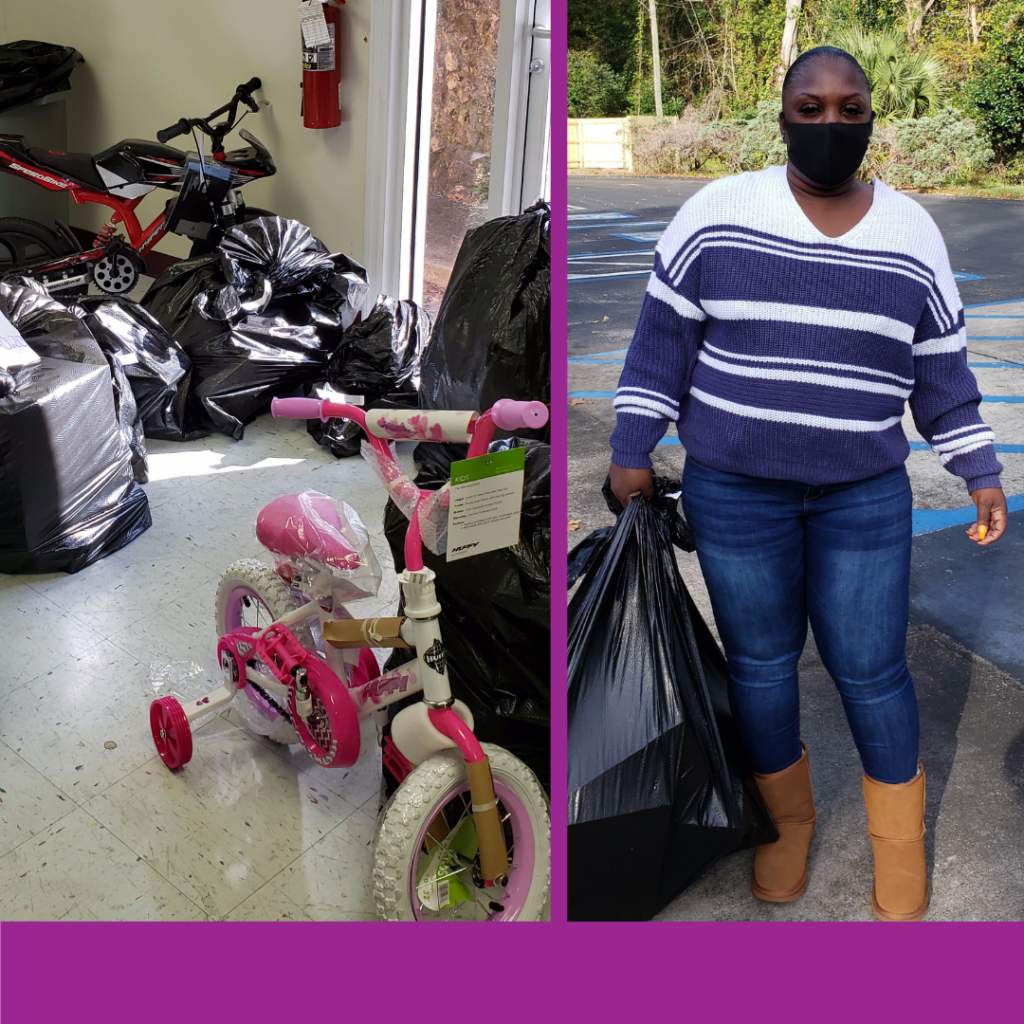
Holidays are a time to spend with family and friends, eat good food and be thankful! After this especially challenging year, we have so much to be thankful for! We are thankful for our awesome consumers, dedicated staff, generous donors, and our surrounding community partners for their unwavering support. Because of your continued support, the CIL was able to serve nearly 2,400 people with disabilities this past year! You help us make a difference in so many lives throughout our community and we could not be more grateful. We wish you a safe, happy and healthy holiday season!

Special Thanks to UF Disability Resource Center for volunteering at the CIL!

This holiday season, the CIL welcomed seven volunteers from the UF Disability Resource Center and one CIL intern, who all helped the CIL prepare for our ILS group holidays! They assembled 14 craft bags of ILS activities for the month of December, and we are so grateful for all of their hard work and support!

December is the month we learn the importance of giving to others and how much more thoughtful it is to give someone a gift made from our hearts, rather than just buying something! Because of our wonderful volunteers, our consumers were able to make their own craft gifts, wrap the gifts, and prepare them to be given to friends and family. They were also able to celebrate the holidays with a party, play some fun on-line games, and receive some special gifts from the CIL.

Thank you so much again to all of our amazing CIL volunteers and interns! You truly help us continue to make a difference and provide the needed services to our consumers, especially during these challenging times!

Independent Living Skills & Peer Services with Terri Poucher and Mark Brisbane

Terry Poucher and Mark Brisbane joins us on this episode to talk about two of the five core services that all Centers For Independent Living provide: Independent Living Skills & Peer Services.

https://open.spotify.com/episode/4UjmiZv9UCXwmlQhYA3R0j

SPEAKERS: Terri Poucher, Mark Brisbane, Tony Delisle

Tony Delisle  00:00

Tell me and I will forget, teach me and I will remember, involve me and I will learn Benjamin Franklin. Welcome to another episode of the independent life podcast. Very excited about this one, we are featuring two of the five core services that all Centers for Independent Living do. Independent living skills and peer services. Independent living skills and peer services here at the Center for Independent Living of North Central Florida are run by Terri Poucher, and Mark Brisbane. I hope you enjoy the interview. And welcome to another edition of The Independent Life. I am so excited about today’s episode we are bringing to you, Terri Poucher, she is our independent living skills teacher, coordinator, and Mark Brisbane. He’s our consumer outreach specialist, Director of our wheelchair ramps which you have an episode for you all to take a look at and check out. But today we’re going to be talking about independent living skills and peer services. Both Terri and Mark are steeped with experience in this area. Terry has been working at our center for 14 years, Mark 11, collectively 25 years of wisdom to share with everybody here, you know, I come from the field of teaching, I myself have a disability and work with other people with disabilities and peer support. So I’m very excited about the work that they do. So I’m very excited for them to share that work to share their experience with you and what it’s all about and hope for those of you that are listening and want to participate in some of their independent living skills groups or peer supports that you will reach out to us to make sure that you get connected with that. We’re going to dive into independent living skills. And I’m going to start out with asking why independent living skills?

Terri Poucher  02:00

I would say why not? I think it’s fun to learn, and try new things. Maybe remember some things that you’ve forgotten about. And we need many skills in order to be able to keep or gain our independence. And it’s also really important, I think, just for life in general to experience as many different things you can have different things to learn about. And it’s always an adventure and exciting to learn, I think something new. And I try and think of our group as friends doing things together, rather than a class. Because to me a class sounds like school. And I didn’t really care for school. And I think a lot of our people have had a rough time in school as well. So rather than thinking about going to a class and you know, thinking it’s going to be like school, or they might have homework or it’s going to be boring, I like them to think of it as a group. And we just get together and we do things together and just have fun. But we’re learning as well. 

Tony Delisle  03:03

One thing I like about the group that you all have and work with here, Terri, it’s a group of people of all disabilities, all different ages, backgrounds, experiences, the diversity within this group is fantastic. And I can see how you all collectively are just a wonderful connected group of people. So that that is hugely appreciated. And I love that you bring into this the mindset that we don’t want to make it too stuffy to, you know, schoolish, but at the same time, learning things kind of from an education, entertaining edutainment type of way. But again, it kind of drill down into the why, why are independent living skills important?

Terri Poucher  03:44

Well, I think they need to learn a lot of ways to help keep themselves healthy, they’re more prone to illnesses due to their disability. So we’ve talked a lot about making good food choices, doing some exercising, budgeting, advocating for ourselves, boundaries, that you know, we don’t want to cross, we don’t want others to cross. Making good decisions, safety issues. I mean, there’s just so many things that they need to be able to stay safe and to stay healthy. But we want them to learn in a fun way. You know, like is a not like a classroom, do fun, show examples. We do a lot of videos and games and all kinds of things just to kind of reinforce, but in a fun way, so that they’re learning without really realizing that they’re learning. Independent living skills, because of that improve their quality of life. I’ve taught a lot of things like new things like identity theft, you know, a lot of these people, myself included, that was never an issue years ago. And reading food labels, that is so important now because of all the stuff that they put in there that we want to watch out for. And again, that when I was growing up, we didn’t have that and it’s really important for them to help them make good decisions and things that they might have forgotten, like fire safety, some first aid, you know, being safe when you’re outside in the sun, wearing sunscreen and protecting yourself, you know, against skin cancer, and just all different kinds of things like that they need to be taught or reminded of. And we do a lot of creative things, which I think improves our quality of life as using creativity with crafts, painting, music, we have UF interns all the time. And I always if someone has come from another country, or another place, I love to have them do a PowerPoint on their culture. So I bring diversity in and they bring in diversity. And that helps us to better understand other people and accept other people and other cultures. And we learn something for geography, we learn, Where is this place, you know, where is this located, and what kind of weather do they have there, what kind of clothes do they wear. And we also work a lot on community inclusion, trying to get them out into the community. So they’re not just sitting home, all alone isolated, being bored. Of course, now, it’s a little hard with COVID, obviously, but, you know, we used to be able to encourage them to get out and we would go out as a group and do a lot of fun things. We’ve been to all the different museums, we’ve had picnics at the park, gone to the mall for lunch, the planetarium. And a lot of times, if we weren’t able to go somewhere I would have guest speakers come in and teach us about things like the fire department, the petting zoo, Guardian angels service dogs, thatcome in. The bat conservatory came in and brought a bat in. So you know, all of these things. They’re fun to learn, but they also encourage their independence. And like with the bats, I don’t really like that. But when they brought it in, and they told us and taught us about the bat, then I realized, you know, it’s not going to try and kill me. So you learn a lot, and you just grow when you are learning new things. And I think that’s really important to always be growing no matter your age, you need to keep learning new and different things.

Tony Delisle  07:13

You know, Terri, I really appreciate how you provided a real good snapshot of all the different things that go into independent living skills and what they are between healthy lifestyles, you know, understanding different cultures, being safe. You know, there’s so many different aspects to it, including going out in the community and participating in the different things that are out there within our community, and bringing in people from different types of walks of life to get to know it, what I appreciate about what you do and what you bring to these independent living skills groups is the immersion into this. It’s not just a one dimensional education, it’s immersion into learning that is so important nowadays, because you serve so many different types of disabilities, people learn in different ways, you know, visual, auditory, kinesthetic, musical, you do so much art. So I really appreciate the different ways that you address the multiple types of learning styles and backgrounds and abilities of the diversity of students or members of your group that you work with. And that’s the real art of teaching right there. And that’s something I’ve always appreciated about it. So I think you’ve given a little bit of a good snapshot of the you know, the whys. What can people expect when they do come to your group?

Terri Poucher  08:33

Well, now since we’re virtual, obviously, it has to be a little bit different. But we meet on Zoom every Wednesday at 10:30 for an hour and a half. And I have volunteers as I said, I have UF interns and practicum students, and myself and Colleen, who’s the ILS teacher in the Ocala area. We all work on PowerPoints, and we come up with creative ideas that we want to teach on with PowerPoints. And in those we put videos, songs, Ted Talks, you know, all kinds of different things. A lot of times we try and do a game afterwards to reiterate what we’ve learned or just you know, to talk a little bit more about the subject. So it’s a lot of PowerPoints right now, just because we are virtual, but I’m incorporating for the new year starting in January, I’m going to get more guest speaker type people to come in and talk about different things for them. And we used to do a cooking segment once a month and I’m going to get that kicked off and talk to them and show them virtually and show them you know, on videos and some live demonstrations and or recorded demonstrations too, just some of the different ways to again cook, make good food choices, learn different techniques, and realize that it can be fun and it is something that they can do and they have choices with what they would like to eat and to be able to be healthy and take care of themselves. So I’m hoping that that will bring another aspect in again, that will be more fun for them and, and entertaining and teaching as well.

Tony Delisle  10:11

You know, it has been a challenge, since the COVID pandemic running these classes we used to do them face to face. And there’s a big upshot to that. But as well, there’s also an upshot to now being virtual, and perhaps we can reach more people. So if people are interested in joining this group, what are some ways that they can get involved?

Terri Poucher  10:30

It’s really easy, because we don’t require them to sign up beforehand or do anything, we just want them to come and join us. And we’ll worry about paperwork later, if they really enjoyed and they want to keep going, then we’ll do the paperwork that’s required of us. But just to join us, they just need to go to zoom.us. And then they put in the sign in is the phone number for the Gainesville office, which is 352-378-7474. And then there’s a password, and it’s cil class. And they just put those two things in, and we’ll let them into the classroom, and they join us and can participate. It’s really simple. It’s not hard at all.

Tony Delisle  11:14

I love that, yeah, we’re more accessible now in this virtual space, it definitely as an instructor, as a teacher, as a group leader, it’s a little more challenging, but you know, I know you’re up for the task, for sure. Because you’ve learned so much about teaching and instruction and face to face and all these other kinds of things. So I really appreciate how adaptable you are. And so with that, why do you love teaching? What is it about teaching that seems to endear you into it? It’s very obvious to me and to others, that it’s near and dear to your heart. But, you know, why is that? What is it about teaching?

Terri Poucher  11:49

I just like to see how excited they get when they learn something new, or when they remember something they had forgotten about. And you know, that they can relate to it. And it’s something that I think it makes them feel all included, because we’re all going through this together, whether it’s COVID, or if we’re cooking or whatever, everybody doesn’t know everything, you know, and that’s okay. So we just like to get together as a group. And I’ll just enjoy spending time with them listening to their stories, some of the things they come up with, it’s kind of surprising what they’re willing to share. But, but it makes it fun, you know, we and again, I don’t look as me, the teacher in there, the students, I look at us as a group of friends that get together and we just enjoy being together. And we laugh and joke and you know, try and have a really good time, a positive time, so that they’ll want to come back and the class really has been growing. So that’s awesome to see.

Tony Delisle  13:02

Terri, that’s beautiful. And I think it makes a really good segue here to bring in Mark about the peer supports and services aspect of this, again, one of the other core of the five core services that we do here. And so Mark has participated in many of your classes and helps to facilitate this peer interaction based part of it. So Mark, I would ask you, you know, why are these peer supports, and this group coming together an important part of the community of people with disabilities and living independently?

Mark Brisbane  13:35

It’s an Well, first I want to say too, to answer your question, working with Terri, because we both do the classes, special work, you know, on site on, it’s, it’s what, what I’ll say most, there’s most important that there’s been a family environment is created. And in doing peer support with the folks in the community, Tony, it’s, um, it’s a comfort level for them, once they do come in, and they, you know, we discuss different things, different topics, we may have come up and, you know, get into it. It’s not like a school setting, as Terri said. Me and her both, and I really, I’m fortunate to be able to work with Terri, because it’s easy to create that comfort level there with consumers. Because some of them come in there want to attend, you know, peer support or ILS classes. They’re nervous, and we try to break that ice with them, to let them know, Hey, we’re good people. We’re here all together, we support one another. That’s part of peer support. And I stress that to people whenever they meet with me that it’s a family environment totally. We like to keep it like that really comfortable, really smooth, happy. Everybody has a good time. It’s a it’s a place to only you know, not only to learn, but also to come to socialize. That’s a big aspect of it. And thank you, I’m very thankful you know that I do work with Terry because she creates, even not from just our list, but also the peer support aspect of going out in the community all together as one to enjoy being out and socializing, not just in a classroom setting, but also out in the community. So that’s just one of the biggest things to me, there’s probably more I could think of, but that that one element there is huge, because most of the folks in the community are isolated, they don’t get out, they just stare and look at the four walls because they don’t want to be around other people for whatever reason it may be. You know, that that affords them an opportunity to be around folks if they can get comfortable with.

Tony Delisle  15:50

I really appreciate what you’re saying there, Mark, I mean, we are social beings, we need each other. And unfortunately, it’s very common that people with disabilities even before the COVID pandemic, would report on having less quality of social networks, smaller social networks, less friends, less family support, and less connectivity to others in general. And we need that. And if people are listening to this and don’t have a disability, but are experiencing more isolation, and connection from others, they may be getting a window into this world that many of us live in to where we don’t have the connectivity that some other people may have. And when we have opportunities, like an independent living skills group, or peer supports and services that are provided by yourself and others here, that is valuable, that is gold, that is priceless. We are biologically physiologically wired to be socially connected to one another. It is a deep and important part of our well being with our health. And it is wonderful to create a space where people can feel safe and come together and and not feel stigmatized or judged. And it is just a wonderful thing to have that you all have created a fantastic culture. So I’m very appreciative of that, in that, Terri, I’ll start with you. What is it that you would want people to know that you’ve learned about people with disabilities through your experiences through your work with them?

Terri Poucher  17:23

Biggest thing I think I’ve learned to appreciate is the fact that regardless, everyone is an individual, they could all have the same disability. But they don’t all have the ability to do the same thing. You can’t look at a person say, well, you have a learning disability. So you can’t do this, or this, or you should be able to do this or that. Because it’s not true, everybody is still an individual. So even though they have a learning disability, they might be super good in math, but they don’t read very well. Or the other way around for someone else. So I have really learned to take a look at the individual and look at their abilities, and take everybody for what they can do and understand them as a person and not lump them all together and look at them as just a group of people with a problem in are things like that, I want to look at them as individuals. And I want all of them to realize that I care about them as an individual, and I see them for who they are. And I don’t see them and take pity on them or anything because they have a disability. And I try and understand them. And I try and work with them and what they need and just realize you know that I love them for who they are. And their disability doesn’t matter to me.

Tony Delisle  18:41

I love that, Terri, how you approach everybody as an individual. I love that point that you’re making about we are not to be pitied. It’s so heartfelt as you ended there. One of the things that I want to acknowledge about you and then I’m very grateful for is I do have before I came to the center, a good amount of professional experience in teaching. I’ve taught basically kindergarten through college, I’ve been witness to many great teachers out there and you are among one of the best that I’ve seen in terms of the planning that you do for each of your individual classes. You are so well prepared going into them. It is phenomenal. And that’s of course is a core trait for teachers. But beyond that you’re adaptable. So many of us that have been in the teaching world know that you can be extremely planned and well rehearsed. But then things out of your control will happen and lesson plan goes out the window and you got to be able to sing dance on your feet or be able to do whatever it is to adapt to the circumstances that are unpredictable and you are so adaptable. I know you’ve said sometimes you pretend to be Gumby. Some people may even listening know what Gumby is, Google it, but very flexible basically and adaptable in being able to do that. And I also want to acknowledge you for, to me the art of teaching is to be able to present something in a way that people can understand and act on. So part of its education and part of its skill. And to be able to do that with a group of learners that have multiple learning styles, different abilities, different ways of understanding and processing information is an art because you so many different people in there, you know, you don’t want to make something that’s too hard, too easy. And it’s just a pure art and one that you know, is in your DNA. So I just wanted to acknowledge you for having those core traits. And as a senator, honor to have you among the family and among the staff here. So Mark, I’m going to turn this same question over to you and ask you, what is it that you’ve learned through your work and your peer support, and then within your participation in these ILS groups, about people with disabilities that you would want other people to know about?

Mark Brisbane  21:03

Those folks are genuine, they have a heart too, they’re just like me, just like you. Their disability doesn’t define who they are, as a person. They all got big hearts, man, I’ve learned after I came here, 11 years ago, coming from where I came from, I didn’t know much about disabilities, other than spinal cord injuries. But once I got to be around the varying types of disabilities, I started learning about the person not looking at the disability in itself. And it just was amazing to me, you know, these people have overcome a lot of trials. And it’s just you, you just genuinely care for them people you love like a family. And I have learned so much over these 11 years, Tony, with the different ones that have come and ones that’s been there for a long time I look forward seems like a family here. Our classes are like, and I tell him and Terri does too, it’s a time to spend time with them. It’s like getting together on the front porch. Just enjoying some good time. Terri makes it easy, because she is the consummate Pro, I call her Mojo, she brought her Mojo man she can, she can make it happen, man, it’s just I know, if the day ever comes that I retire or whatnot leave, I’m going to miss her. Because it is family. We feel very blessed to be able to be around those folks and share a conversation with them. You don’t see anything with this family, you don’t see a wheelchair or a walker, you know, or maybe a mental disability, you don’t see none of that, you just see the person. That’s the best way to describe it Tony, for me. I told Terry I miss being in the classroom with them I’m looking forward to spending time with them.

Tony Delisle  22:55

Again, as do I, this time shall pass and we will be there. And I’m just thankful that we live in an age where we have the type of technology that we can still stay connected, it’s not as good as being there face to face, we certainly look forward to when we get to that time, but are very thankful that we have the technology to be able to still continue these services, and open it up to other people that you know, have barriers. Again, we serve 16 counties. It’s a very big catchment area and rural areas and you know, certainly access to this technology and is an issue for people with disabilities. But nonetheless, we’re very eager to explore how we can reach more people. And, you know, Terry gave some real good information that we’ll have listed in the show notes for how people can get involved with these great groups in classes. One last thing, and we’ll end there. It’s a question that I like to throw out there is closer to people. But the question would be, what is the independent life to you? What does it mean to live independently?

Terri Poucher  24:12

I think that being independent, and I think of these things all the time when I’m creating classes, and working with my consumers, being able to do things on your own, and not but not without help. No, you can do it on your own. But you need to be able to ask for help when you need it. You need to know that you need that help, just like any of us do. And being able to do realize you can do anything with your life. You know, it’s your choice. It’s not up to your disability. It’s up to what you want to do with your life. If you want to live on your own or get married or get a job or anything you know that anybody else can do. You can’t let your disability define you. You have to go for that and become independent and not depend on others. Sometimes it’s really easy, I think, to depend on someone else to do things, you know, especially when you’re a kid, you depend on mom to do everything, well, mom’s willing to do it, then I don’t have to do it for myself, and you don’t learn that way. But hopefully, you know, with taking ILS classes, too, they can learn that they can do things on their own, and they can make decisions that affect their lives, and they can better themselves if they want to. And that would mean that they have their independence.

Tony Delisle  25:29

Thank you, Terri. Mark, how about you? How would you answer that question? What is the independent life mean to you?

Mark Brisbane  25:36

It’s tremendous. It affords you the opportunity to, to chase after your dreams to accomplish any little thing. You can do any small thing, any big thing, it enhances your abilities, and it doesn’t put them all in a box, you just don’t feel like I can’t you, you don’t feel like the word I can’t is there anymore. The word I can is now in place. Now you ready to roll, do one thing, get it done, you can move on to the next big thing. I’ve learned that from own disability at the age of 17, that once I learned how to do this, or that I can do this and that. And in my life now, from 17 years old, I’m using me as an example of what the independent life means. Now the age of 54, married, work at a job helping folks with disabilities, have three children, there are a handful, and I drive and do all the things I was told when I got hurt, it’s probably not a possibility. So the independent life to me is go for it. You know, give it your best shot and see what comes out. Yeah there’s going to be tests, there’s going to be trials, but there’s gonna be hills and valleys, but just keep pushing, just max as hard as you can to get everything you can out of it. That’s the best way I can define it.

Tony Delisle  26:58

wonderful answers from both of you. And and you know, I totally agree about you know, Terry and making informed decisions and choices and having that autonomy in your life and to acknowledge to while we do talk about independence, there is some level of interdependence. You know, even people without disabilities rely on other people. And that’s a very important part of those kinds of things. And, and Mark, I love how you bring into, well, if I can do this, maybe I can do another thing or anything. And that inertia, that momentum of learning something doing something can lead into so many different areas. And, you know, I harken back to your comment about, you know, potentially retiring one day, and as you mentioned, having three little little ones there, I don’t think you’re ever going to retire, man. So put that out of your head. We need you so and they need you. So But anyways, all kidding aside, one thing that I want to mention before we hop off here is that some of the most meaningful times of myself in here as director is when I’ve been able to come in and meet and talk and you know, converse with the class, the group that you have there. And it’s been wonderful to get to know that the different personalities that are there. And I was very moved one time when in satin, when when one of the members of the group had passed away. The group got together for the funeral of this person. And Terri and I went to this funeral and the group, you know, showed up and large numbers. It was very touching, and healing for me to participate in a funeral where the vast majority of people that were there at the service and in attendance were people with disabilities who knew each other I mean, it was just a true sense of not just community, but family. So many of them got up to speak and share words that provided comfort for everybody. I’ve never been in a service where I was so moved by the words that were spoken and the words that were shared, and it was just so heartfelt, certainly a time of grief and sadness. And the silver lining in that was I’ve never been to a to a service that was so diverse, and shared so many different things that he said, Mark from the heart, and it’s something I’ll never forget. It was the most inclusive funeral I’ve ever been to. And for them to have the confidence and articulation. And to get up there in front of other people and to speak is a true testament to the work that you both do. Thank you both for your time here to share some of the insights and wisdom that you have, the work that you do for the community of people that have disabilities that are out there. It is priceless. So thank you all. Thank you for listening, tuning in and watching and we look forward to receiving any inquiries about how people can get involved. The wonderful work that these two beautiful people do on the behalf of not just our center, not just people with disabilities, but for our community. Thank you, Terri, and thank you, Mark. 

Terri Poucher  30:11

Thank you, Tony.

Mark Brisbane  30:12

Thank you Tony. 

Tony Delisle  30:13

Take care.

Rural Food Distribution During the COVID-19 Pandemic

The CIL’s first rural food distribution during the time of COVID was to the ARC of Bradford County. From the moment we initiated contact to build the relationship, The ARC staff were exceptional. ARC staffer, Jennifer, was ready to send out the needed information to find interested group homes and those who were in need. She was able to connect us with at least 40 new consumers in Bradford County. When we arrived, the consumers and staff were ready with all hands-on deck. We had a station for signing consumers up, check-in for those whose paperwork was complete, a wellness check-in station, and pick-up for the food boxes. We played music and had consumers dancing and singing while learning more about the center. The day was a complete success, and we gained another community family with CIL.

Toys for Tots

We would like to thank our Toys for Tots partners! Every year they help our consumers have a wonderful holiday and make sure that families get a visit from Santa! This year we bagged toys for over 50 kids from 21 families. These bags were filled with games, dolls, and some awesome bikes!

Building Ramps, Building Lives with Mark Brisbane

Mark Brisbane is a husband, father, and mentor to those with physical disabilities in the Gainesville community. At CIL, Mark serves as a consumer specialist for the Wheelchair Ramp Program, which builds home access ramps. He also teaches Peer Support classes on how to live more independently with physical disabilities. Our ramp program runs throughout the year and we maintain a database for all wheelchair ramp requests. As we have limited resources, staff continually writes grants and conducts other fund raising activities so that fewer people have to be placed on the waiting list.

https://open.spotify.com/episode/4sR22emfXA8r1cEEOhaI8m

SPEAKERS: Mark Brisbane, Tony Delisle

Tony Delisle  00:50

And welcome to another edition of The Independent Life. I am so excited for us to talk to Mark Brisbane, our consumer specialist, who among many of the different hats that he wears, manages our wheelchair ramp building program known as ‘Building Ramps, Building Lives’. This is a wheelchair ramp program that we put out there for people who are in need of wheelchair ramps. And I’m going to have Mark talk a lot about what this program does and who it serves. But I want to start, Mark with asking you, why do we have a wheelchair ramp building program? Why is this program important?

Mark Brisbane  01:32

I told you yesterday, man to really solve the folks in the community here that have disabilities they can’t afford to purchase around there. They can be pricey. But it’s important because a lot of these folks live in rural areas and within the Gainesville area, you know, and again, they don’t have a lot of money, so we can provide that for them so they can have that independence, it’s vital. I’ve been doing it now going 11 years, and over these 11 years we have served some of the most dire need, people in dire need. They didn’t think they have enough that they would have an option but to the Center for Independent Living here in Gainesville, they had that option. It does take steps it does take time to get that ramp. But I would, I would say it’s a very vital part of what we do. Being a wheelchair user myself, I know with having that, it’s a security for people, they can reach out to us. Yeah, granted, it may take a while to get that ramp but it’s at some point they will receive that ramp so they can become more independent and they can be a part of, you know the society and get out into the community and do the things they couldn’t do before. So yeah, I would say having a ramp program to the CIL, the Center for Independent Living is very vital.

Tony Delisle  02:56

So Mark, take me into what it would be like to be a person who uses a wheelchair and cannot leave or enter their home. What does that do to a person who uses a wheelchair and does not have a wheelchair ramp to access their home or leave their home?

Mark Brisbane  03:16

Man, there’s so many moving parts I can, you know, being a Gainesville resident now and being a member of the team at the Center for Independent Living. I’ve lived it firsthand because I’m a C5 and C6 quadriplegic now more than 37 years. A lot of depression comes into that long isolation. You got to depend on people daily to go in and out of your home. It’s um, you already have lost the use of your legs basically, and you can’t get up to walk up and down stairs to go in and out of your home to get in your car or your truck and go somewhere. You’re relying on your wheelchair now, which is wheels. Its this deep, dark isolation, isolated feeling. And once you receive that ramp like I did, when I first bought my home when I lived up in Hamilton County, you know, I relied on my brother to get me in and out of there for weeks, months on end. And if he wasn’t there, I had to stay in something. But once I received my ramp, it’s like hey, I can go from inside of my house to the outside and get my truck and go to town or make a trip to Jacksonville. It was a huge relief. Having that independence back just by receiving a ramp. So I do the first thing how it feels not having access Tony.

Tony Delisle  04:46

So with you mentioned social isolation and loneliness I would imagine and one of the things that has come out in the in the research in recent years is showing that loneliness And social isolation is actually something that is killing people like people are dying four to five years earlier than they should be by the mere fact of being isolated and lonely, just reporting those kind of feelings of isolation and loneliness and I, and we’re recording this during the COVID pandemic. And I think more than ever, people are perhaps getting a bit of a taste of what it must be like to be isolated in their homes, to not be going out in the community to not be seen people to the level that perhaps that they were used to, before the COVID pandemic, and may be getting just a little bit of a taste of what it must be like, if you have that physical barrier and cannot get out of your house. And you mentioned having your brother there to help you get across the threshold of the doorway, I would imagine that’s probably a dangerous thing to do, right to have somebody help transition you over that threshold?

Mark Brisbane  06:03

You have very much so. Going over that going down steps, a huge fear, especially if you’re confined to a wheelchair. But I’ve experienced from personally from folks that have called me. I had a veteran a few years back that had been isolated, Vietnam vet, that isolated double amputee in his home for over a year, and how much it affected you as a human being and going through war, you know, being home and he told me that he couldn’t trust people. He didn’t want to depend on people. So he would rather have food delivered to him and just stay in his house, how much that depression etc. He didn’t want people pulling him up and down steps. He said he didn’t like that he didn’t want to have to feel like he was dependent on people and plus someone dumping the amount per se not told him I’ve been through that too the fear of that. There’s so many moving parts to it, different elements that you’re dealing with that depression you’re dealing with that having to depend on somebody it really yeah, it can affect your health. It can. I know. I know how much happier I felt once I got my ramp. How about how the relief came on me you know that I didn’t have to depend on calling someone or waiting until five o’clock until my brother came home you know by then I’m tired. I, you know I’m not going anywhere. I’ve been home all day inside, stuck at home. What’s the point going anywhere now? All those things. Yeah, that day answer your question about being isolated, in can affect your health, it can age you.

Tony Delisle  07:57

So you mentioned Yes, it is dangerous for having people assist you through the threshold. And then that you thankfully you had your brother to do that very unsafe, we don’t recommend people doing this per se, because it can put people you know who’s using the wheelchair. And, you know, for people that are transitioning them. It’s a very dangerous situation to be in risking people’s safety. And then you mentioned this veteran who did not leave his house for a year. I recall working with one of the ramp recipients that we had, a grandmother who hadn’t left her house in six months, and being told by her what it was like to not see her grandkids, her family, they would come by every so often. But it was very palpable. The heaviness of the depression that she was feeling and you know, just it was it was very concerning. And, and one of the things that I learned in working with this program and with you was another common strategy that people would use to get in or out of their home, especially the steps and I hear this being a commonly practice thing when people perhaps live in a mobile home or a trailer and having steps to go down is that they would use a piece of cardboard to throw over the steps themselves. And they would wheelchair them, you know themselves to the threshold, take themselves out of the chair, throw themselves down the cardboard, which is protecting them I guess from the stairs itself, then once at the bottom of those stairs, reaching upwards grabbing the wheelchair and then pulling it down to get out of their house. I mean, and that the fact that this is a something that’s somewhat commonly used to get out of their home is just, it’s very, very striking and sad. 

Mark Brisbane  09:51

Of course, you know, Tony, the wheelchair ramp program is my baby. I know how much it means to people. How important it is to have that program to keep it funded. People that donate I’m always, always saying donations are vital. I don’t care if it’s $10 $15 $20. You bond more to nails for somebody, you know, like the veteran I talked about. He basically said, he asked me was I lying when I told him, we’re going to help you. I don’t believe this is real. I said, Yes, sir. It’s we’re going to build your rental. And he called me back after it was completed, he said son I lost faith and hope in anybody coming through to help me out, you know, I served this country, I did three tours in Vietnam, faught in in some of the worst battles. He was telling me all this, he broke down the phone and told me, he said, I now can believe in people wanting to help others. Because you told me, You told me you were going to help. And you did what you said we will do. So I said, Yes, sir. Because I know what it means to have that ramp. I truly, I know that because I’ve been paralyzed since I was a teenager. And I’ve got other stories, you know, paraplegics telling me, man, you can relate. When I forget, I have to come out on my porch. Granted, young got my arms, I can jump down on my deck, I can get one step pull my chair down and get another step, pull my chair down. Once I get to the bottom step, then I hop in my wheelchair, from that bottom step or second step into my chair. I’m like, he shouldn’t be working too hard to go in and out your house. So that’s what we got to do what you got to do? No, you don’t. I mean, if we’re here, we can do it, we’ll do it. So that those are every day Tony every day, people are going through that.

Tony Delisle  11:46

And I want to make a point of clarification in saying that it is sad, the situation is sad, that the people that are having to go through these extremes are very brave and courageous to go through these drastic measures to leave their house very desperate situations, it’s the situations I’m referring to, they’re not the person. So Mark, you brought up the fact that like this veteran, for example, I know many other people are taken back that there’s actually a program out there that will provide wheelchair ramps for people in their situation. So maybe we can describe a little bit about well, what does this program look like? How do people get signed up for it? Who’s involved in getting these ramps built? Like, what is the actual program look like from start to finish?

Mark Brisbane  12:53

Um, typically, well, let me let me start how its funded. Just within the city of Gainesville, every year, we apply for the community development block grant money, which is not a lot, but it’s something that helps folks, we give that money, it’s it has a certain requirement for folks within Gainesville city limits, that are eligible. They have to be low income to apply, they typically will call me. There’s, um, some paperwork, income verification forms that I had to get filled out required by the city. And they’ll call our center because they see our ramp programs on our website. And they asked me, you know, Mr. Mark how do I apply to get a ramp, I’ll ask them, you know, what’s your disability, you know, what’s your income monthly, because those are the requirements. And then once I get the things that need, I have one of the contractors in Grace Methodist, Custom Design Innovations or Amway Home Improvements, set up a time to go out and evaluate exactly what that consumer may need. And then, you know, during the progress of it, you know, I’ll fill out a consumer service report, we’d goal set to start, you know, in the progress of, you know, getting them a ramp built. And I’ll stay in contact with them through the process, you know, once one of my contractors that I mentioned, goes out and evaluates, and then we get a time set up or go out to build, you know, the ramp they requested, once we deem them eligible. And through that whole process, I mean, it’s like, you can hear, I have never, not once had one consumer would be so grateful from start to finish, because it’s a relief, but that’s typically how it’s handled. If someone calls outside of the city limits in our catchment area, they go away. If we have money that’s available through our University of Florida charity campaigns we do once a year, if there’s money available, I’ll typically ask them if if it’s a dire need like they you know, cannot access in and out of your home via mobile home. If we had the funding I’ll get a contractor to give me an estimate and if one of our guys in Gainesville he doesn’t mind going to an area that’s not too far out, they’ll go build. You know, we open a cup consumer service report and with goals and try to help as many people but when it all comes down to it, there’s just not enough funding to fund everybody our waiting list has sometimes 200 250 people on that waitlist, that’s not as large as that is. That’s insane. And it doesn’t stop there. You might knock one or two, maybe three off of there, but then it’s it’s gonna get just got to keep reloading because they’re just not enough funding out there to help everyone in our 16 County catchment area and it makes me sad. More than sad, when I got to tell someone we don’t have the funding, you know, I’ve got to start digging and trying to find resources for so yeah, it’s Yeah, it can be really depressing.

Tony Delisle  16:31

Yeah, I’m glad you mentioned that because that is something that we you know, take home with us and in our hearts the it’s great that we’re able to serve the 15-20 people, you know, that we can a year say through like you said the funding from the city of Gainesville or through other fundraising capacities, donations. But the fact is, that unfortunately, there are so many people out there living in poverty that cannot afford a ramp that have mobility issues just cannot get in and out of their home. And so I almost like see the way this program operates in kind of the head the hand the heart, the head You know, you be in somebody that’s getting your head around these kind of things you know, being able to to get people on a list to triage that list in terms of importance, connecting them with the people to get the the ramps built and, and the goal set and there’s usually other needs that we can also wrap other services around. And so thankfully, you know, a big part of what you do is kind of getting your head around all these different moving parts and connecting dots. The, the hand being like you mentioned, you know, Custom Design Renovations, Grace Methodist, and Amway you know, these are wonderful contractors who are licensed, have workers comp, can do a rendering know the ADA specifications, and often are doing this free of labor on time that they have off. Instead of spending it with their families on weekends, when they barely have any time off as it is, they’re out there building wheelchair ramps for people who are in need. So so that’s the that’s definitely that that part of it and, and obviously, everyone’s got the heart in this, the feelings, the why that’s in there. And it kind of also ties into blood, sweat, and treasure. You know, we need people out there that are going to, you know, do the work, to do the sweat, but the treasure as well. You know, whether that’s, you know, people making donations to our center, so that we can get these ramps built, or if people have materials, like often it’s the materials that we need the most. Again, you know, we have good kind hearted people, and even volunteers that we can throw their way to get these ramps built. But the money goes into the materials and the materials that are needed for a wheelchair ramp, just by the wholesale cost, it’s not uncommon that there’ll be words of $2,000. $1500, just to make sure that they’re they’re built to code that they have the ADA specifications, you know, many of them have to be very long and extended because of barriers. You know, again, there’s so many different moving parts to this program that you serve there, Mark.

Mark Brisbane  19:19

History has told me  and I want to add to it. You know, we talked about stories, so people fully understand when I came here from Hamilton County and started doing the ramp program for the Center for anything. One of the first and I’ve never forgotten and it really struck home with me when I’m dealing with people when I’m you know, only into the future and up to today was I got a call from a student in Santa Fe Community College, requested a ramp sent at the time. Christian’s concern when community was doing, they were doing a large portion of our building, and I sent the guy out there. He sends retired To evaluate a render what you know was needed there. He called me and he said, I just lived. One of the saddest situations I’ve ever seen in my life. A lady opened her front door, someone had stacked cement blocks for her to go in and out of their mobile home. She stepped out of out of the blocks, and they give one she’s eighty years old, and fell out of her home. And I mean, this guy broke down on the phone. That never left me. And this is my 11th year of doing this. And every time that I do a round, she comes across my mind. Eighty years old, man, that’s somebody’s Grandma, you know, no family, no one seen about her, but a little freshman, Santa Fe College student and going out there doing a well check on her. But you know what we got her that ramp and I meant my mind if I had to spend out of my own pocket, somebody’s grandma was gonna get that ramp, but she got it. And that was such a cherished thing, and that’s, that right there is why this program was so important to have, that people need to understand. When you give and when you donate, you just ain’t giving your money, you give it to somebody that may be someone’s grandma. So that’s how I see it, I just want to share that she come in my mind, you know, I’ll never forget. That’s why it’s important to me, Tony.

Tony Delisle  21:34

Thank you, Mark, for sharing that. And one thing that since coming here to the center working with you and working with this program, I’ve learned to become so grateful for any time, I simply walk in or out of my door. simple but profound gratitude that I have. Because I don’t have that mobility issue, I can just walk through a door. And this is something that wasn’t even on my radar that I needed to be grateful for. And I hope anyone listening here can just count their blessings every time they walk, or move through that doorway, without any issues or barriers. Because if you couldn’t, you couldn’t go to work, couldn’t go to school, go get your mail, go around the neighborhood, for a stroll or a roll or whatever it may be. Just that simple act, I find to be so profound. And I think it’s important that we’re all grateful. And that was something I didn’t even wasn’t even aware that I should be grateful for until working with you in this program.

Mark Brisbane  22:48

Words well said, Tony.

Tony Delisle  23:03

So Mark, you know, as we wrap this up, you know, I wanted to get your take on what it means to you to live the independent life. Here where we’re providing a platform to educate people on our services. But also we wanted to give a lens into the world of people with disabilities as well, and what it means to live independently. You could give us some of your thoughts on what does the independent life mean to Mark Brisbane.
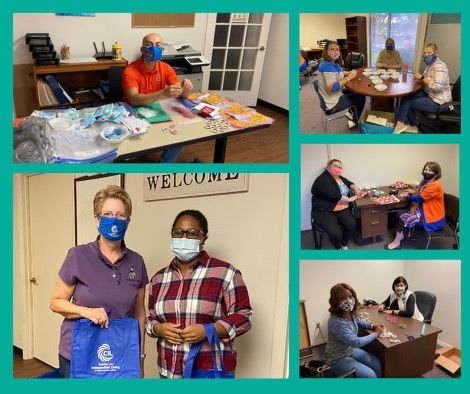
Mark Brisbane  23:30

Man, it means everything because I will tell you 11 years ago, and as I said, I’ve been a quadriplegic for 37 years, I had never heard of the Center for Independent Living, and didn’t know anything about it. Didn’t know about the movement, none of it. But since I’ve been entrenched and had the blessing, and the fortunate blessing of working with great folks at the center, and there’s no words to describe it Tony. It means everything to me. So many doors have opened up for me. Since coming to Gainesville, and being able to help others that was in the same position I was in 12 years ago, didn’t have access to ways of being more independent. It is Oh man. I mean, look at me now. Father of three. Living an independent life married to a woman that she hadn’t have to put out when we live she does every day but she does. Having access to drive and then live such a fortunate blessed life. I don’t even know if I’m putting…giving The Independent Life credit enough but I can tell you right now, being wheelchair-bound like I have for 37 years, I’m living my best life at this point, even through a pandemic. But I don’t know if I’m answering it the way you wanted me to but that’s me, seeing through my lens is having that access now.

Tony Delisle  25:06

Well, Mark, you definitely answered the question very well. And I just wanted to acknowledge you, as somebody who I’ve learned and continue to learn a lot from, we really appreciate you working here at the center. You’re somebody that this is only one hat that you wear, by the way, and we’re going to have you on, again to talk about the wonderful services that you do, and just some of the wonderful insights that you have. But what I really appreciate about you, is you you speak from the heart, you are so relatable to so many different people. Yeah, I’ve seen you talk to all different kinds of people, all different kinds of ages, all different walks of life experiences, and you just seem to resonate with like, everyone, and to have that social fluency is so rare, and want to acknowledge you for for being that kind of a person. And, and having the heart in the right place and the mind in the right place, and the spirit and this attitude of gratitude that you have of wanting to give back. All the wonderful things that you have, you do have a beautiful family, you get out there you live the independent life. And we’re just so fortunate to have you a part of the family for Center for Independent Living, to be serving the people that we serve. It’s just so wonderful to know you, and to continue to get to know you better. And all the wonderful things that you do, Mark, we’re very blessed to have you at the center in our community and you’re just a wonderful human being and thank you so much for coming on here and talking about a little bit of what you do here at the center and for our community.
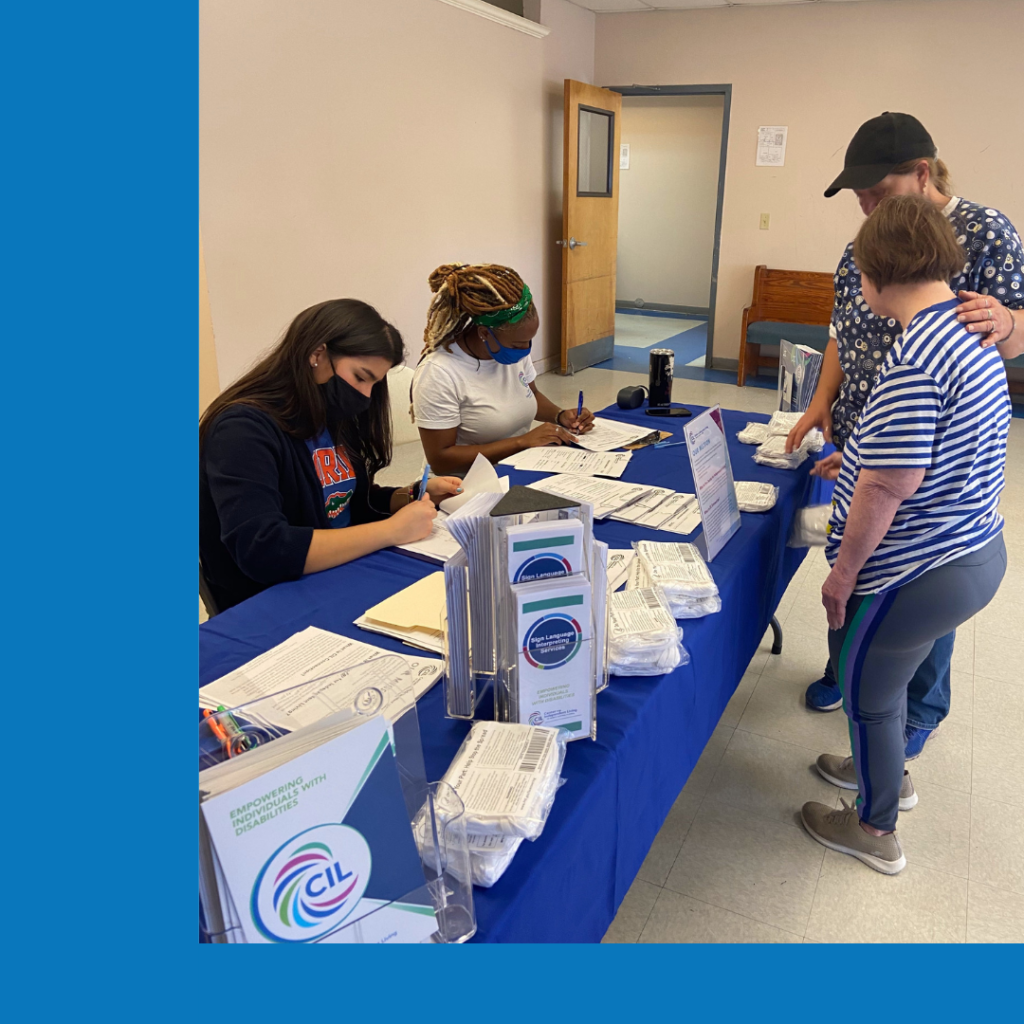
Mark Brisbane  26:45

Happy to, because I’m richly blessed Tony. Also have the center. So I enjoyed it. I look forward to the next one to put on my other hat. So I tease all the time to coworkers, I’m what is it a jack of all trades and a master of none, but I enjoy it. The center is is a blessed place. And I know it, I feel it. And I found my niche once I came here and anytime you can help someone small or big is a blessing. So I look forward to continue and do anything weeks, months, years ahead.

Tony Delisle  27:27

I look forward to being there with you shoulder to shoulder Mark, thank you so much for your time. Thank you so much for your wisdom. For The Independent Life. Onward and upward. Y’all take care.

Amy Feutz  27:42

Thanks for listening to the independent life podcast brought to you by the Center for Independent Living of North Central Florida. If you like what you hear, please rate review and subscribe. And if you know anyone who might benefit from listening, share this podcast and invite them to subscribe to for questions, suggestions, or if you have a story you’d like to share. please email us at cilncf.org@gmail.com or call us at 352-378-7474. Thanks for joining us. Until next time, support, advocate and empower each other to live the independent life.