Marion County Disaster Preparedness Expo

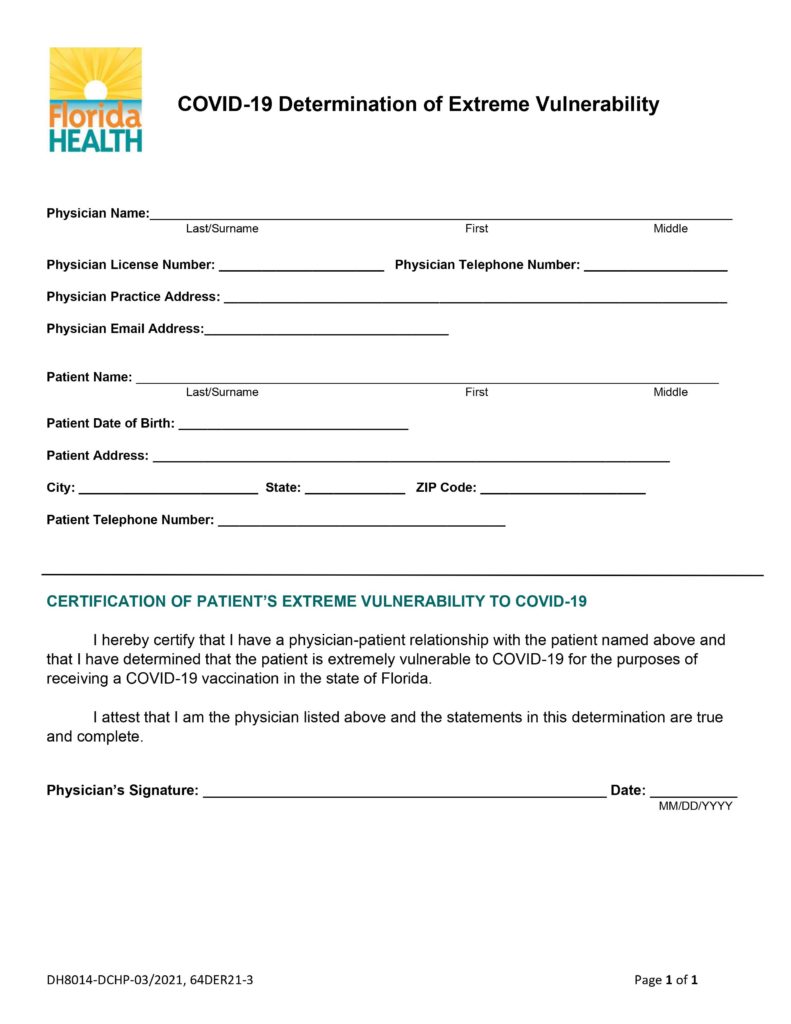
The Center for Independent Living of North Central FL is hosting the 4th Annual Disaster Preparedness Expo for People with Disabilities. The theme this year is Mental Health. This expo will contain important information on how to adequately prepare for the unexpected.

This event will have ASL interpreters present and other accommodations can be arranged.

In order to look out for everyone’s safety and health at this time, masks are required and there will be a temperature check at the door.

May 26, 2021 from 9:00 a.m. to 1:00 p.m.

E.D. Croskey Recreation Center

1510 NW 4th Street

Ocala, FL 34475

To register please go to the following links:

English: https://www.eventbrite.com/o/center-for-independent-living-of-north-certral-fl-16494197787

Spanish: https://www.eventbrite.com/e/de-preparacion-para-emergencias-para-personas-con-discapacidades-tickets-140356822033

This image has an empty alt attribute; its file name is ready-set-safe.jpg

The Florida Independent Council with Beth Myers

Beth Myers is the Executive Director for the Florida Independent Council (FILC). She joins us today to talk about how her role and FILC’s role with the independent living network aligns. We hope this conversation helps our listeners better understand the independent living network, how it can better support people with disabilities, and to serve and meet their needs. FILC is responsible for ensuring that Centers For Independent Living have access to effective communication and programs needed by people with disabilities to live the independent life.

For More Information about FILC: www.floridasilc.org
Contact: beth@floridasilc.org

https://open.spotify.com/episode/1ztRnwsMEtqFBwt0DqK7PZ

SPEAKERS: Tony Delisle, Beth Myers

Tony Delisle  00:00

Never underestimate the ability of a small group of dedicated and committed people to change the world. Because truly, it is the only thing that ever has. And that comes to us from Mahatma Gandhi. So on today’s episode, we have Beth Meyers, who is executive director for the Florida Independent Living Council, otherwise known as FILC. Coming on our episode to talk about how her role with FILC and FILC’s role with the Independent Living network all aligns. This is a very important conversation to better understand the Independent Living network, how it can be more supportive of people with disabilities to serve and meet their needs. filk is a very important part of the Independent Living network is responsible for a many different things that ensures that we make sure that people with disabilities we Centers for Independent Living, are have access to effective communication and programs that they need to live the independent life. So she’s going to be on board with us today to talk about her role in the Independent Living network. We are, you know, a relatively small network within the you know, different types of services that state and federal agencies that are charged to do their work with, but we are very powerful one. And so that’s why I started the quote, with the ability of you know, small groups of people to make significant and impactful changes in the world. And our need to be dedicated and committed to this change. Because this is really the formula needed to make the impact that we want to see in ourselves, in our community and in the world. So I look forward for your you to meet Beth, she’s an amazing person has a great story and experiences related to disability that she shares as well. So I hope you enjoy this guest will know a little bit more about her, and the Florida Independent Living Council as it relates to the Independent Living network. Enjoy. I am so excited to have you here, Beth and answering some of the you know, questions that are very important for us to hear from you, you know, you and I go back a little ways here and we’ve done so many things together. I know we got really close, you know, during some of our efforts related to disaster and emergency management and preparedness in so many different things. So it’s wonderful to have you here and thank you so much for participating in our in a conversation and and sharing the wisdom that you have.

Beth Myers  02:36

Thank you for asking.

Tony Delisle  02:39

All right, so you know some questions for you. There’s a lot of synonyms for the word disability that has been thrown out there. I wonder if you could share with me a few that you’ve heard not ones that you necessarily would recommend that we use, but but have been synonymous with the word disability, we say disability a lot in this podcast. So I want to kind of like, start asking some of the guests, you know, some of these questions because we do use this word a lot. And words matter. So want to get the perspective of people, you know, so what are some of the synonyms you’ve heard?

Beth Myers  03:09

Okay, well, first of all, it’s yeah, it’s these are words we definitely wouldn’t support using anymore, but it does show the evolution of, of language, words matter, and that the ADA is really a living, breathing component, because the words are changing all the time. In fact, our state laws and federal laws, they’re not even matching sometimes, because they’re always changing. But words like handicapped, challenged, people that might be special needs or mentally challenged, impaired, crazy, things like that. Those are words that you know, historically have been used, and there’s a lot more, but it is evolved. And it’s kind of ironic, because it’s evolved at a very special time in our in our country at unique time in our country. So a lot of things are evolving. And so this is a great opportunity to embrace the, the appropriate language and an understanding that it’s changing. Because it is a new law. Ada is new. So you know, there’s a lot of things that are that are changing with that, relatively speaking as a law goes for our country.

Tony Delisle  04:29

There’s many other books for a while, were 30 years and now and, you know, the D in ADA is disability, it’s used in the medicine, it’s used in education, it’s used in employment law, it’s used in legislature, it’s the adopted word, it’s a word that we use here on the podcast. And and I know it’s a charged word. So just you know, we’re gonna be asking some of our guests that question back and forth, but is there a word that you would replace it with if you had the change it to something better than disability.

Beth Myers  04:57

Well, if you would have asked me maybe six months ago I would have said 100 words I would have said differently abled or our unique ability, something like that. But since we’ve really kind of gone through a journey of understanding that, you know, the, the history and the words and the language and the inequities, it really is about what that individual chooses to identify with, and being open enough to just be flexible to accept that. And that is a that’s, that’s hard, because we would want rules. And you know, we want the, the the words all approved and checked. But you know, I think that this is it’s a different type of, or a different place. And so identity first language is pretty much opposite of what people first languages, which is where we were told to go, you know, your person first not the disability. Sure, now we’re really what’s happening is the identity first language is kind of taking a hold of, of that. So I think we just have to be open to understanding who you know, our fellow human and being okay, and, and being okay with saying, if we say something wrong, saying, Okay, what would you What do you choose to be called, and then understanding what that means, and, and then adopting that, and just saying, you know, my apologies, this is okay, I’ve learned something new today. And that, that spirit of trying to do a little bit, meeting the individual human with the human type of concept?

Tony Delisle  06:43

Well, yeah, you know, and I appreciate how, you know, you threw out there, there’s been a lot of softeners to the word disability, handi capable, you know, whatever, you know, can can be that, but it just seems like there, there hasn’t been, to my knowledge been a consensus on a word that people would land on, and everyone would agree that Oh, yes, that is the word that, you know, we all agree to. And then even people will say, Well, why do we have to have a word? Why do we have to have a label, that’s another interesting discussion, you know, to have as well and I look forward to continuing the discussion. As it is important, I think you bring up a really important part of there and people first terminology saying person with a disability versus a disabled person, and now this shift towards, you know, well hey, you know, want to you know, that’s a part of my identity, that you know, I’m not ashamed of and actually, you know, want to put out there on display as a part of my identity. First and foremost, there’s almost a you know, a lot of pride to the best word, but you know, people that might be proud and want to, you know, have that first and, and there’s there there there is that, but I guess it does go back to the individual in many ways, and you know, how they kind of see it and feel and that is appropriate and respectful. So, a lot a lot to be said here for that. So, another thing I wanted to, you know, kind of unpack with you and get a better understanding from you is, what is it you would want people to know about people with disabilities, so, you know, one of the things that this podcast that we’re trying to offer is a lens into the world of people with disabilities and who they are and what they are about. And even if people have those experiences, I think hearing from someone else, you know, about what they see, you know, people with disabilities and you know, what it means to have a disability and and, and how they see it when other people to know about their experiences is an important part of it. So I would wonder if you could take us through what you what you would want people to know about your perspective and experiences and disabilities?

Beth Myers  08:38

I’ll start with saying they are the reason I even that I’m involved with this community for you know, almost 30 years is because of having a great grandmother, who talked about her sister who was institutionalized and, and died in the institution and how her father who was a physician could not even get out of that, that that institution, and she went into for something that was, was a concern of the families and she couldn’t get out. And so I watched the really the pain of my great grandmother who had to take that with her, knowing that that’s where her sister was, and and she did not have the right and could they could not get her out once she was in. So institutionalization, to me, was really the primary focus of when I started becoming involved at even, you know, at an early age and understanding people had rights. And so people with disabilities have rights to live, where they choose to live and participate in life where and how they choose to participate like everyone else. And And quite frankly, anyone at any time could become disabled. So you know, we have to we have to be We have to understand that it is, at any moment whether it’s a sickness or an accident that we could become disabled. And so back to the your questions of what do I want people to know is I want them to know that it could happen many times to any one at any, any time. And that dignity and a right, the innate right to fully participate in our community is, it’s not a consideration, it’s the right in our country, this is the right, and we should care about that, because we should all care about that. And I think it is really important that there is a self control component. And that’s why I love night owl so much is because of that self control, self determination, you know, that that part of IML philosophy, like speaks to my heart, because it is, it’s so important that people have the opportunity and option to participate in what I think is about as basic of a human rights as you can, is, can be, you know.

Tony Delisle  11:10

I do and thank you for sharing about your grandmother and working to have her in a place where she could be more in the community and less than any institutional care and that really I can see where it has driven you have a tremendous amount of experience in the Independent Living network, both working at you know, the center’s and from what I understand the city and, and now as executive director for the Florida Independent Living Council. So, you know, you you serve a very important position there in the Independent Living network. And one of the things of having you on is, you know, in addition to get your insights into the, you know, different conversations that are had to be around disabilities, we’re going to start to you know, better understand what it is that the Florida Independent Living Council is your role there, how it fits into the Independent Living network, and and, you know, some of the things that people can learn to better understand what it is all about that, that that’s near and dear to your heart here. You know, I was gonna ask you first, what do you see is some of the, you know, current challenges, the biggest issues, areas that are related to people right now, with disabilities that you see out there?

Beth Myers  12:25

Well, you know, taking COVID just putting that on the, on the side for a moment, it’s so important that we keep keep talking about this, because it’s the same challenges that have been around from really the beginning. And so we still have so much work to do. So, you know, when we have education, employment, transfer, they all transportation, they all go together, everything goes together, they interlock, so incredibly, it is something that we can, you know, we can’t get away from, because we’re gonna have to look at this as a broad picture, and then and then start breaking down and making adjustments as we go because education impacts employment. employment is impacted by transportation and housing, health care, is a is a, you know, a 300,000 foot but own, you know, you know, type of thing. But, you know, are you even able to go, you know, receive a mammogram, if, you know, you use, you know, a wheelchair, what, what is what, you know, where are we at with that? And is that not, you know, something that is so incredibly important. So it’s sad that it’s the same kind of topics, however, we’re getting better, but we’re not there. We have a lot of work to do. And and I think the conversation is going to be ongoing with that. COVID is different, a different topic. But…

Tony Delisle  14:05

No, I’m glad you brought all this up. This is why we’re having you on is to really kind of throw out the current issues in the ever present issues and starting out with the ever present issues, people with disabilities are less likely to, you know, graduate from high school, their unemployment rates are two and a half times greater at any one point in time in the economy, whether it’s doing good or bad. The unemployment rates usually two and a half times more in people with disabilities. And we look at health outcomes. Unfortunately, the data shows that people with disabilities are more likely to, you know, have the chronic diseases that are the top causes of death, then people without disabilities, and these are preventable diseases. And people with disabilities are less likely to have access to adequate and affordable housing and transportation and all income, you know, and socioeconomic status and all these other kinds of things are intertwined together. Like you said, is an ever present issue and one that, you know, I you know, it’s really wonderful to be a part of an independent living network that’s really advancing, you know, the the conversation around these areas and to do better and promoting equitable outcomes. And, and and all of it we have our work cut out for us, that’s for sure. Yes, well, you know, and go into COVID, you know, we’re in the midst of, you know, recording this in a time where there’s a race to get people vaccinated, getting people with disabilities as a priority population, to get vaccinated, you know, how people are getting vaccinated in the state of Florida, depending on the county, getting the information out to people getting people registered for it, getting people actually vaccinated, all the access and functional needs that are in play, there are plenty, and certainly can be some, you know, points of discussion for this discussion, and many more to come to have you back on here. Because you and I certainly have a long track record in terms of the mileage at the very least, in terms of, you know, working together with emergency management, Department of Management, emergency management, and ensuring that, you know, we get the needs of people with disabilities met during times of disasters, and this is certainly one, and it’s so wonderful to be, you know, working with someone like you, that’s actually helping to coordinate efforts to make sure that, you know, those, those barriers are mitigated and overcome along the way, and that’s something that we seek to go and do along the way with this platform here is try to get the best communication out that we can get to people about a lot of these issue areas that are unfolding before our eyes in real time. So feel free to feel free to open up that can of worms anytime in this conversation.

Beth Myers  16:48

Okay, by then I think that and I appreciate, you know, what you said and, and I think, you know, for, you know, it’s it’s when we are, when we are making sure that there are distributing, you know, 7000 vaccines are vaccines to the 7000 nursing homes. And and, and knowing that 50% of the individuals who have who have died are It’s the result of nursing home and that type of institutionalized care, saying that we have so the vaccines are going into the the group homes, nursing homes, and, and what we see is program access, which means that, you know, people are not able to get the vaccine, who live independently. So here we have the individuals that live independently that don’t live in, in a institutionalized care facility, and yet our highly are vulnerable population, and their their PCs are going back and forth between people and without being a priority to receive the vaccine, as frontline workers are in hospitals, and and people are going from, you know, home to home to home to home, and with no vaccines available. And so I think we have to understand that, you know, the isolation of COVID has been, it’s been just catastrophic, really, I mean, just unbelievable for our children, in education for our seniors that are at home for our individuals, that people that we serve people with disabilities in home, that are that are trying to follow the rules, right, but they are there, they’re isolated. And in addition to that the process to get the vaccine is not as accessible as it could be because of the communications. All of the communications are down to the counties, all the counties are doing it differently. Some counties are doing fantastic. other counties are not because they they just don’t know. So you know, our skills are so important to to our counties, the sills provide a very specific skill set and knowledge and we know that keeping people at home it’s better for our it reduces cost. And it is you know if we want to talk about the business side of it, but more importantly if an individual is is is sheltering at home and they are at home. We need to make sure that we understand that they still have the access to the vaccine is everybody else you should have act we should have access to it.

Tony Delisle  19:41

I 100% agree Beth and we just had Dr. Vince Venditto. He’s a professor of pharmacology at the University of Kentucky and his studies, you know, vaccines and their efficacy and Immunology. And, you know, we talked about You know, the prevalence of, you know, the impact of COVID on people with disabilities, you know, has been, you know, significant people disabilities are more likely, you know, to have the secondary risk factors that are associated with the COVID vaccine, I’m sorry, the COVID, you know, virus, but yeah, it’s not a priority population, at least in the first round to get vaccinated, unless you’re a person with a disability that’s institutionalized. But there are many people with disabilities that you know, are living at home, that are still just as, you know, physically, you know, vulnerable to getting the COVID vaccine and dying from the COVID vaccine, they’re just not in institutionalized care, but they are in their homes and, and are less likely to be leaving their homes because of their risk. And, you know, what is their, you know, ability to access this, you know, especially when it becomes, you know, their turn to get vaccinated, you know, there’s so much to unpack there in terms of their ability to find out, you know, how, when, and where to get registered, and to get the vaccine and all the different, you know, needs that they’re gonna have along the way, perhaps for for accommodations to be had. And this is a massive lift to get so many people vaccinated, and to ensure that people with disabilities, you know, the most likely to be excluded from something that requires program access and effective communication, to ensure that along the way, is also going to be a huge lift, and I look forward to, to working with you and others and independent living network, and with other people that are responsible for making that happen to make it happen. And being a conduit, you know, to get the right information out to people about, you know, how to do this. And to work with people to mitigate these any of these access and functional needs that we see along the way, it can be very common, and we communicate appropriately about these issues. And and we definitely are creative enough to come up with the solutions, you know, will I think be able to do some real good here in terms of getting the vaccine out to folks?

Beth Myers  21:56

Yeah, I agree with you. I think that what what I’ve found is that, you know, there is a misconception, I feel like within some not all government entities, but some, there’s a misconception that that disability rights are, that’s a negative. And it’s not a negative at all. When we take care of our people, that are Floridians, all Floridians, all taxpayers, all human beings, all people, if we are taking care of our citizens, this is not a negative. It’s like watching something that two pieces of metal that won’t change, you know, won’t give won’t well, budge.

Tony Delisle  22:49

My gears are all jammed up. Yeah.

Beth Myers  22:51

Yeah, the gears are jammed, and you want to say, wait a minute, this is an easy fix, we can help you. I think we have we’ve been doing that during our, our hurt hurricanes that we’ve we’ve had, we’ve stepped up and we’ve done more, and there are there is a wave of pause that where people are saying, hmm, they really helped us with this. And it wasn’t that they weren’t looking at that we help them we’re serving the population, if people were charged for serving, and what they don’t understand it, program access might just mean a process change, it doesn’t mean $5 million, this is gonna cost us to do blah, blah, blah, this is a process change, and your government people will be better equipped to serve all people, all citizens with disabilities. And so I find it interesting that it’s, it’s a negative because it’s not a negative, you know, when I was at a coordinator, I if I did my job, right, I serve our community, and I also protected the process of our government. It can be if you do it, right, both things go to the top. And it’s not, it’s not difficult. You know, disability is like a natural part of humanity. For some reason, I feel like it’s been put in a different category, it’s just a natural part of humanity. So embrace it

Tony Delisle  24:22

That’s one of the things that we really want to put on Front Street here is that it is a part of human nature. You know, I think for many, it’s it’s hard to embrace, you know, it’s a natural part of what it means to be human. And I think it’s synonymous with death, because that’s a natural part too, you know, one that people kind of run from, and maybe disability is you know, kind of a microcosmic of that life can be different after having a disability, whether it’s short or long term. And so it means the death of doing certain things that you might have had, you know, been able to do before seeing yourself as Are you wrapped in your identity and it’s a death of identity or who knows what it is. So maybe there is a you know, that kind of a you know, barrier to talking about it. But I think that those of us that, that do an exercise in that muscle and being able to have, you know, go through that, maybe if people are uncomfortable with it is so liberating. Because on the other side of that uncomfort is the ability to, you know, just, you’ll be real about a inevitable part of life and in to embrace it and not run from it. And you’re kind of like, perhaps the movement of people that want you know, disability first identity first, you know, terminology, you know, to put that out there and, and wear it on their sleeve and not be hidden from it, you know, like many, many people are, you know, so

Beth Myers  25:37

Well, I think it goes, right, it’s so interesting, because you go, if it goes, I feel like we’re talking about the medical and social model of the IOP philosophy that was like, from back in the 60s, we’re having that conversation because having a disability and being disabled mean two separate things. And one of them, you know, you know, it’s so, so under, so I feel like we’re having conversations of, hey, there’s nothing like you can’t you know, you’re you don’t try to fix me, I’m good, don’t try to fix me, I am who I am. And, and that, that, that concept of accepting that in society is what I feel like we’re going back to that medical social model that we used to teach way back when, and it’s like, coming full circle. Yeah. Do we want to or not?

Tony Delisle  26:30

And that’s new for some people, too, you know? Yeah. So. And it does evolve and I think it is an organic conversation. There’s nothing ever written in stone and you know, as time progresses, things, you know, in perspectives, and that’s what’s wonderful about this space, is we get to, you know, have conversations like this about a moving target. You know, that’s why why I’m asking some of those kinds of questions before we really you know, dive deep here on to more specifically about you, Beth Meyers, Executive Director for the Florida Independent Living Council, you know, which represents you know, one piece of the Independent Living network and that’s something that we’re trying to really explain more and better to our audience because it is you know, a vast network that is interconnected, we started explaining about what Centers for Independent Living are, you know, the how we all you know, deliver five core services and some of us have supplemental programs or most of us do, but you know, different programs may look different depending on the area that served and you who qualifies, you know, for programs free, you know, to people and all disabilities, all ages and all these other kinds of things, and grew that out to having, you know, Jane Johnson, Director for the Florida Association for Centers for Independent Living, you know, another piece of the Independent Living network were in the directors for the various senators which are 15 in the state come together and foreign membership, which does all kinds of wonderful things. So that’s another piece of the Independent Living network. And as is the Florida Independent Living Council, so there’s a lot of words here that are acronyms you know, so Florida Association for Centers Independent Living we call FACIL, but for you, Beth, Florida Independent Living Council, and where you are in reside, we call FILC. As a Florida Independent Living Council Executive Director, I want to first and foremost, kind of ask you about your organization, and what it is that FILC does, but more importantly, and as you know, for me, the most important question is why why is FILC needed? Why is FILC important? Why should FILC exist? You know, so definitely a little bit about what FILC is, but you know, why is FILC so important and valuable to the Independent Living network?

Beth Myers  29:00

Okay, you know, just the The major difference between the two FACIL and FILC is that that FACIL can lobby and they can lobby and and and tackle problems differently than the Florida Independent Living Council. The Florida Independent Living Council is called FILC but it is actually a state Independent Living Council. The state Independent Living council there is one state Independent Living Council and every one of our states and including councils.

Tony Delisle  29:36

Spiffy, SILCs. State Independent Living Council, yeah, and I’m pleased about there. SILC.

Beth Myers  29:44

Yeah, we’re actually so itself kids like a go dog go. I know I might do something with that anyway, so I know. So um, So why does Why does thought matter? And why does Why does every state have one? You know, there’s a reporting mechanism that is in our Rehab Act about tracking these federal dollars and ensuring that, that the Independent Living Philosophy and those core services are being delivered in your state. And then it’s, it allows a roadmap or a process of describing what happens when we receive the state receives funding? Where is that funding going? When in relation to IPL? And then in addition to that, what does the State say? So we have public forums, and we reach out at these public forums to gather information and get input from individuals with disabilities. And we will, we would historically go to a cell and have a public forum. Well, now it’s everything’s virtual, and it’s a little different. And we’re getting creative on how we, you know, get that public input. But we wanted to know, what were the top challenges? What are the things that need to be addressed in our state plan for Independent Living, which is the document that we are charged with managing and the state plan for Independent Living is a contract between the federal government and the state on what we are doing and and how we are providing these services to our citizens with disabilities? And have we found areas in which we need that need to be addressed? Maybe we need additional skills? How do we how do we go about that, maybe that we need to change our focus from a goal that we had set forth to another goal, maybe we need to include housing this time. So we have four goals. And we had four goals this year, because there was so much work to be done, within the goals that we have set forth. The state plan is a three year plan, it’s only three years. So every three years, we are instructed to create a new plan. And your new plan has to have new deliverables, new actions, and new information, new data. And so if you are appropriately writing a state plan, you are ensuring that topics that are important to our citizens, and to our cells have been brought forward, and that we are going to prioritize them. So it’s a three year it’s really we were a group, a council that Governor appointed of members that are charged with managing a state plan, and then created a new one every three years. So we have a staff here, but we also are one of the few states that cover every county in the in the state, we have 67 counties of believers there 68 counties, 67, 67 counties, we have our 15 CILs, we have some satellite offices, it is a huge commitment to our citizens, Floridians with disabilities, saying that we have that we will do our very best to cover these 67 counties is a very important thing our state Independent Living councils because they really provide the necessary support to oversee that state plan and that state plan is that contract between the federal government and our state and ourselves. It kind of flows down that way but it is it’s very important and it’s codified in federal and state law and statute so…

Tony Delisle  33:51

You know I want to you know, kind of summarize what you said because you said a lot there and just so people you know that are you know external or just kind of learning what the Independent Living network is like a Florida Independent Living council, FILC is not Florida Association for Centers for Independent Living, FACIL that clarifies what it’s not. Alright, we’ll start we’ll start off with negation. First in the Florida independent Council is a state you know, part of the Independent Living you know, network, you know, where, where you’re, you know, you do, you know, kind of have a governor appointed board and, you know, all these other kinds of things that obligates you to certain guidance. Like you said, I’m glad you brought up the 1973 Rehab Act we want to remind people that’s where, you know, Centers for Independent Living got funding to provide services, which FILC as Beth is saying is the state Independent Living councils and FILC are one of the main obligations they have is to have oversight of those dollars that come through the 1973 Rehab Act to fund services for Centers for Independent Living, to assure that those dollars are being well spent and spent on people with disabilities, to receive services to live more independent. And so that’s a very important role. So it’s a steward of the good taxpayers money, that centers have to be able to go and do the wonderful work that we do to ensure that people with disabilities can live independently. And it’s a very transparent process and one that, you know, is very important that filk does. And then Beth, you talked about the state plan, state plan, warning, again, alphabet soup warning, we’ll do this along the way, just so that, you know, maybe people listened to more than one episode can start, you know, stringing along and reading the alphabet soup is state plan independent living. So the spill we often call is, is still as a state plan for independent living. And that, you know, is something that every state has to do as well, you know, is come up with a three year state plan for Independent Living, that the, you know, cilex, the state Independent Living councils, like ours, FILC, and the other centers, you know, and their designated state entity often participate on and come together into work and to draft and then to enact, you know, and directs the next three years of kind of efforts, resources and attention, you know, that many of the centers will be doing in terms of delivering that. So that’s a very important thing, I think, for people to know that the state plan does direct a lot of what we do, people should pay, pay attention to it. And when it comes around your time to you know, write the news bill, which doesn’t happen too late after we enact this other one, it’s almost, you know, we’re learning as we go. And with a year and a halfway through, we’re already started thinking about writing the next one, because there’s such a process to we get a public input, and to get public input on on it is one of the key variables to it, because that can drive what goes into it. Because we are driven by the people, the people we serve, and who better to know than the people we serve, and to what should inform our state plan, and where we direct our resources to be able to participate in advocating for that. So we want to make sure that this is also a platform where people can, you know, learn more and put in their feedback for it. So another good part of that, but I also want to add one more there if I can, you Beth, about why, you know, FILC is, is an important, but it’s also as a resource for, you know, the Centers for Independent Living, y’all don’t, you know, or deliver services by any means, but you understand some of the different services that we do, and how they’re consistent services that we provide across the board. But then how certain centers have unique services that they do tailored on the needs of their community that they serve, and you have a really good snapshot of what we all do, and you are often, you know, circulating with me and I know other directors to say, your What are your needs? What can I do better? How can I be informed and marshaling us together to tackle important issues, and have conversations together, which are, you know, very important conversations to have about, you know, how we run, you know, the centers throughout the state and, you know, ideas for doing it better for the future, and marshaling us, as well as being a resource and ensuring good communication happens, which is so hard to do, because there’s so many people doing so many different wonderful things, you know, that’s just a web of things to have to really navigate. And you do that as well. So I wanted to add on there some other things that I see FILC doing as well, and then the board that you know, FILC has a to it, it tends to be really well represented board, since I’ve been on that seemed very dedicated to really advancing, you know, the cause of, you know, independent living for people with disabilities. And so, you know, I look forward to fully appointed board for you all moving forward, something that you all deserve and need. So…

Beth Myers  38:43

I appreciate that. And you’re right, I mean, there’s a FIL or SILC here, as a state Independent Living Council, we really are charged with education and training, when required and providing communication platforms and we play a pretty big role during storms and, and we host other weekly platforms for aisle network group to come together that’s rather organic, and they get to work through some of the executive directors get to collaborate and share ideas. But really to provide that communication platform, we have grown with our emergency support by having a seat inside the emergency, the EEOC, the state EEOC, and part of that is to ensure that there’s clear communications for ourselves who are part of the solution and are able to reach and provide that expertise to our local counties that are that are necessary to serve it citizens. So we do educate and train and we are changing how we do business. Now that COVID is here because it’s everything looks a little bit different, but thank you, I appreciate you for your summary.

Tony Delisle  39:57

Well, yeah, and add that to the list too, is you know, a partner, a public private partnership that is going on right now in disaster preparedness. So you mentioned that the Independent Living network through your efforts has a seat at the state’s emergency operation center. This places like NASA when emergencies happen, and there’s an emergency declaration, the EEOC, the emergency operation center for the state gets activated, and it runs support for the county’s emergency operation center. So 67 emergency operation centers at the county level one at the state level that kind of runs back up as you know, if you need something, you know, that’s gonna be a lot of resources that the state’s on the standby to backup any county that asked for requests for any of that kind of information. And at the same time, because of our involvement with prior hurricanes, and everything that we did, having a seat at the state’s EEOC means that our network was there when Department of Emergency Management, the Red Cross, other first responders, other community based organizations that are on a very large scale, delivering resources and helping people prepare and recover, are they’re at the table talking about getting things done, and to be there and those conversations at the large systemic level, and to be able to always, you know, be in people’s ears and saying, okay, that’s a great plan. Now, how do we do that, to make sure that we get full access to everybody with people with disabilities, and to have them listen, and to want to listen and to have been invited to be there at the table. And for you to be at that table, I just want everybody to take a step back and think about, there’s not a lot of other disability organizations necessarily, that have that kind of access at that critical juncture, of decision making about these kind of disaster services and communications that are going out to people in real time with the COVID pandemic, what’s going on, it has led to so many great collaborations and opportunities and even new services for the COVID pandemic, at least, that have happened through that partnership.

Beth Myers  41:51

Yeah, right. And 100%. And I’ll add one other thing is that, you know, one of the reasons why, you know, I’m so passionate also about our Centers for Independent Living the IO philosophy is because it doesn’t matter the disability, it doesn’t matter the age, we are really very unique in that sense. And that is a difference. That’s why that’s why we’re in the Rehab Act, and not a lot of other agencies are, we are charged, federally charged to serve our citizens with disabilities and it’s really it doesn’t doesn’t matter the age or the disability, it they’re those five core services, you know, have to be you know, kind of punched through, but the ADA and our centers, many times what, what we know is that if a city or a county is operating off of and making good decisions and have good policy, many times, it’s because their Center for Independent Living is part of the solution. And that’s something that we have to you know, we should appreciate because that is something that is very much kind of like a cornerstone of the organization and the i o philosophy I’ll network so it’s really, really important that we give the credit to ourselves who are doing the work that nobody else is, really is nobody, nobody else is doing it, just like we’re doing it. So I’m, I’m proud to be associated with, with everyone, our IO family here.

Tony Delisle  43:28

I think you make a great point there, the next we have is that we serve all ages, all disabilities, and related to programs that promote keeping people in the community and living independently. And that is a unique space and when we do take all commerce in terms of what it takes to keep people in the community and that manifests into a lot of different types of services and programs that we could be offering and even new ones that we may not be offering but yet we know if it’s a need, and we don’t have it and we’re going to build it. I think that’s a very important part of you know, what we do that makes us unique and special and different. So Beth I’m interested to know we unpack a lot about what FILC does and and what’s what it’s not but you’ll take me into you know, you know, we got so many different things going on. But what do you what do you envision FILC doing and the independent living our being in the future that we can create here for Floridians with disabilities you’re envisioning you know, thinking 1000 mile vision and those kind of things. This is an opportunity to be maybe not necessarily over the top grandiose but also optimistic to at the same time I think a lot of us here as we go, especially with COVID can oftentimes feel the exhaustion of the resilience needed to keep going. We definitely have the ability to keep going but sometimes I think it’s always always good to hear someone’s vision of a better day in the future and of what it can be and people with disabilities and and what you have in store and in mind for film. So you know, feel free to take that wherever you want to go.

Beth Myers  44:54

One of the really important things was understanding Our use numbers and and what are barriers for some of our youth coming, you know, into their CILs, we saw the RS numbers going up, these are CILs, youth numbers for the first time going down. What does that mean and understanding. So the commitment was, let’s find somebody that’s going to be able to spend, you know, 100% of that time on dissecting that understanding that developing it, and really creating some synergy with our youth. And that’s why we hired Sarah Goldman and Sarah is amazing. And we’re very excited to have her brought on the full team. So Sarah is going to be able to focus specifically on the youth in rural for Florida, and and some of our populated areas, work with our youth, program managers, sharing data, sharing other resources that are available for programs, so that we can understand how we can get this done taking it back to, you know, our state agency and saying, okay, we need this to happen, and we need those referrals. And we need to work together. But I think it is an area which has been neglected by our team and Tallahassee a little bit. And that is developing a statewide youth program that can feed their our CILs, get ourselves connected and empower their youth program managers and really kind of evolve our YLF, which is now hosted by FACIL.

Tony Delisle  46:36

Youth Leadership Forum, another acronym, another acronym.

46:41

Right. But we’ve made the commitment to provide Sarah in her capacity to work with basl and NB, the staff that’s required to put on this large event. But this is a really important component of understanding and connecting our youth with the IL philosophy, understanding that they’re not a problem to be solved, but we want to encourage them to be the best version of them. And I think that that that in in a state where we have FSDB, and we have the Florida school for the deaf and blind sorry, is another acronym. And we have, we have a lot of wonderful services out there that we have an understanding of the community that is unique to us. And we are going to tackle that youth component and see our youth numbers go up as they should, because the IL philosophy is critical. It is it is critical for the community and that’s why the ADA is part of our Cornerstone so I’m really excited to see what happens in the next before the next bill is written. So in two years, where are we going to be because Sarah is already just doing a wonderful job and she is someone who went through the Youth Leadership Forum herself and she has her master’s degree in social work, she’s amazing. And we are we’re really excited about that addition, saying that the other concept is is the sills are such a critical part of response, our state response during emergencies and we have got to identify appropriate funding so our cells can do the job that they’re they’re there to do and I think that improving the funding and addressing the misconception of how much things cost is going to be critical but also really being an organization that’s at the table and we’ve delivered you know I feel like we’ve done time together a little bit you know Tony. We’ve done our time.

Tony Delisle  48:50

We earned our stripes a little bit in the fire together. Yeah

Beth Myers  48:54

That’s right. And so we need to make sure that our souls are properly compensated and that is a big ongoing thing. So we’re going to move into the next belt with housing and transportation and employment I’m sure being right there. And healthcare boom boom, boom education, all those things. But you know, I think that it’s I think we’re moving in the right direction.

Tony Delisle  49:15

We gotta do everything. So intertwined. Yeah, in so just point of order. So when you refer to youth, we’re referring to 14 to 24. Ages correct? Yeah. Yeah. Right. So so just yeah, people that may be listening to you if they might be thinking, you know, some some middle schooler but it really would be in fact, 14 being definitely a teenager and 24 being a young adult. And so you can be deceptive. So when I’m older on that is that when we talk about youth, we’re talking about teenagers who are in or at a highest School about to be in or out of high school, you know, transitioning. So youth transitions is one of the core services that our centers have to provide. And so from what I hear from your vision there, Beth, is that you envision us doing more in this area, in terms of understanding better what’s going on in terms of the barriers and facilitators to successful youth transition from high school to post secondary life, and how we can do better in those services and advocacy and be more of a partner in that space. And know that’s in our new spill, you know, I look forward to having more of a conversation about how that is. And I think this could be a platform to where students with disabilities in high school, and those that have transitioned out of high school, can have conversations, you know, about what it’s like to be in their world, you know, what are some of the benefits of, you know, and barriers that they see, you know, in their lives and opportunities, or lack thereof, or what it’s like to you know, live a day in the life and be able to share that with us and get a better picture, I think would be a really good thing, because then I think it would underscore what you I believe fully see is that this is a really important part, in terms of the life experience, going from high school age, to post secondary young adulthood, that transition there can set the trajectory for longevity, the quality of life, the ability to live independently, is so much impacted by those years, they’re such transformative and impressionable time. And so I can see why you wanting those efforts or centers to be involved more in that is so important, because that can certainly set the trajectory for a more independent life, if we’re able to be a support for people during those very formative years.

Beth Myers  51:44

And there’s a story there, and we need to understand it. And we need to improve our story here in Florida. And I think that that’s what we’re trying to do with our partner facile, we are trying to improve our story, and at least get this get the story out because the work that is done at our ourselves being boots on the ground, is so critical to our community, because we know that you provide a service that only you can provide. And the federal law, I mean, we are embedded in the federal law. And I think that that’s something those are conversations that I always have with some of our funders, this is not a nonprofit that decided to come together, we are entrenched in the history of the ADA movement, and we are entrenched in federal law, that puts us in a different place, we’re coming at things a little bit differently. And and it’s a wonderful, it’s a wonderful position to commit things.

Tony Delisle  52:47

You know, I think in explaining what independent living is, it is a network of services. It’s also a culture. And it’s a philosophy, you know, at least this is how I almost compartmentalize what independent living is all about. And so you have these different areas between the culture, the philosophy, and the services that drives a lot of that conceptual framework of what Independent Living means. They’re very intertwined. They’re To that end, someone that is on the service end, and it is tied into the 1973 Rehab Act, which you’re referring to there, to get people out of institutionalized care and back into the community. In 1973, the Rehab Act was passed to fund centers to make sure that the institutionalized and or to divert and prevent institutionalized care. And this manifests into many different programs and services. From that, again, very important, but also, as I alluded to the philosophy of independent living, and the culture around it, you know, and ask you about related to those, what is it in working with people with disabilities and promoting equity among people with disabilities? Have you learned that has helped you to be a better person or value about life that has been really near and dear to your heart that has come about through your commitment to serve people with disabilities?

Beth Myers  54:06

Okay, so that’s a big question. And it was a it was really a journey. So I started in what I thought was a place of great knowledge. And then I went to a different place where I understood that I didn’t understand anything at all. And I think that giving people I hope that made sense, but you know, I think giving people for me, my journey in this has been understanding that or requiring that I paused for a moment in my day to day activities in my work with the community, and I heard are I observed, or I perceived, just the person and its entirety and I always I never regretted stopping, asking More questions, trying to understand or just a perspective. And I believe that’s why I have made so many friends within the community. Because it wasn’t about me trying to impose anything on on my friend, it was about really just being a friend. And the statement is from Ed Roberts, nothing about us without us, and putting that sentence into context. So it’s not about me, it is about working on a with a team, and then stepping aside when I’m supposed to step aside. And I’ve had a connection with that. And I think you and I experienced that when we went to the conference. And we understood that we needed to just stop and listen to what was being said, and what was going on. Because there was an opportunity for growth and learning in that moment. And I think when I think about my relationships, and I think about my friends, and I think about my journey in this field, I feel like I’ve been very successful in the fact that I could pause my opinion, and my thoughts, and listen, and accept whatever it is that was being given to me. And then really learning. I’m an advocate, that’s who I am. I advocate, I was born like that, I think. And so I’ve had to advocate for family members, and it’s served me well. But the community has served me well, because I’ve learned so much. And this is going back to, you know, into high school where this was, you know, I would observe, stop and observe, it really has allowed me to get on a road that I’m I’m proud of the work that I’ve been part of, I’m proud of, my friends I’m proud of. But it’s not, it’s about being able to move aside and allow just greatness to happen, because that’s what happens if you could just be selfless.

Tony Delisle  57:14

So that’s what I hear you saying is the value of being present with people. And just being there being fully attentive, actively listening. And I think that’s very cathartic for people that we’re listening to, and for ourselves that are listening. And sometimes we’re on the other end of that foot as well. And we need that other person to listen to us, as well as me, perhaps that we share that we need someone else present. So I think presence is a huge gift to give to people, it’s our time, it’s the now. And when we fully dedicated to people, I think it’s a wonderful kind of space to come at that from so I appreciate where you’re coming from in terms of learning that path. So that’s amazing there. So thank you for sharing that. You know, I also want to thank you for what you just said there also about the value that you’ve learned, and, you know, working with other people and the collaborations of people. And that’s one of the things that we want to talk about here on the platform is that there’s a lot of unity through disability, that we can really come together and do a lot of good for one another. And it doesn’t matter, our beliefs about other different types of things, what politics we have, what religion we do, or have or don’t have, or your sports team, your fro or whatever it is, you know, when we come together and really work together to help serve others, we see that we have more in common than we do different. And it feels really good to be a benefit and help with other people. And I recognize that, you know, our independent living network does so much more than its size, relatively small compared to a lot of different other kind of state, kind of nonprofit networks that do good work. And so although we’re relatively small, I think our impact is so much larger than our size. So never under estimating the size of a group of people to make some change, because it’s really, truly anything that really ever has in a way. So I want to acknowledge that you are somebody that works I know very closely with a lot of people that are really working hard to make some change up there in Tallahassee throughout the different centers and support us and they’re doing that on a you know, one to one, and also a large group level, you know, you’re marshaling a lot of people who have a lot of different roles and responsibilities to come together and communicate and problem solve complex issues and have courageous conversations that might say, and to do that, and to do it with the kind of, you know, finesse and authenticity that you have. You’re no nonsense person, you know, I don’t have to wonder what’s on Beth’s mind all no good and well, because you’ll share it and so I really appreciate that no, it’s refreshing and you do in a respectful way it’s it’s good good to just be you know, kind of Frank and authentic and upfront and honest and and be able to willing to go into conversations to do to have courageous conversations about what needs to be done and ideas for you know, complex issues and not to be afraid to, you know, go into that so I appreciate the energy and enthusiasm you have to do. To the creativity that you have in going about what you do as well, to problem solve, you know, we definitely need somebody in your position there to really think about innovative solutions and what’s next on the horizon. And, and that’s more ambiguous than ever. And so I know you’re very creative in being able to do that, and Marshal those kinds of things together. So, you know, I want to acknowledge you in those areas in terms of how you are in terms of your efforts and character that you shown in your investment towards the Independent Living network and Floridians with disability. So I wanted to acknowledge you for that, Beth.

Beth Myers  1:00:34

Hey, thank you so much, Tony. I, you know, I appreciate the kind words that was gracious and thank you.

Tony Delisle  1:00:40

So we have a closing question that we tend to ask everybody, as well. And again, you know, kind of goes to your own philosophy of independent living. But to you, Beth Meyers, what is the independent life?

Beth Myers  1:00:53

Choice, freedom to choose is what independent living is, if you choose to live at a group home, that’s your choice, if you choose to live in an apartment, that’s your choice, if you choose to shelter in place, that’s your choice. It’s because that one action, if we take that away, I What do we have, and so the choice to be what we want to be and who we want to be, I’m about removing barriers, Call me if you need barriers removed, I’m really good at that there are other things not so much. But I believe that the ability to make a choice is is so critical. And that’s, again, why I love you know, the IML philosophy, we are consumer controlled, equal opportunity and not a problem to be solved. So it’s the choice to be who you need to be.

Tony Delisle  1:01:54

Yeah, the relationship between having choice is dependent upon having opportunities, and Centers for Independent Living in the ion network, really offer people with disabilities more opportunities than they would have had they not been exposed to a Center for Independent Living. And so I think being able to have more choices, because you are exposed to having more opportunities is always a great thing. So in that choice, fundamentally, is freedom, you know, to be free to make those choices. One distinction I want to piggyback on in terms of your response there, that’s also part of the Independent Living philosophy is to make informed choices, and to have the independence to make whatever choice that the people we’re working with one to make, you know, we give them the information, and they can make the choice that they think is best for them. And it might not be the choice that we are encouraging them to make themselves. One of the examples would be is that with this platform, decided to be pro vaccine in our messaging is a important thing for people with disabilities, in terms of health outcomes, but also getting back into the community and has been impacted their ability to work or go to school, or just get even, you know, essential items and groceries and everything else like that, yeah, that it could be a really good thing. And so I’m pushing that end of it. And that’s the information that I’m having. But I respect and trying to better understand why people don’t need vaccine. You know, with disability, there’s very good reasons for it. And so there’s no judgment on others that might be not on board with with, you know, US pushing a pro vaccine message, but might have their good reasons and want to better understand what those reasons are and respect them. But at the same time, for me and my perspective, if someone decides not to get one that, again, is one of give them the right information that I know of to the best of my abilities, they make the informed choice that they want to make.

Beth Myers  1:03:44

And there are ramifications to choices, there are actions, there are consequences, however, is the point of saying I know what’s best for you, and then allowing an individual to make the right choice, because we don’t know what’s best for anybody at all.

Tony Delisle  1:03:59

So true, we could be 100% wrong on this. You know, time will tell.

Beth Myers  1:04:03

 Well, you know, I think it’s it’s just being able to support informed choice, you’re right, it’s really important that that’s our job is to bring information to the present and communicate it in a way that is acceptable. And I think that that is it’s so so important. And our CILs do such a great job.

Tony Delisle  1:04:23

Yeah, that’s the thing is communicate the way that people can understand and act on. And that’s a very important thing. Independent Living is made up, as you know, a lot of times very small steps and small actions, but it’s no small thing. At the end of the day. 

Beth Myers  1:04:36

I think we meet people where they are and I love that especially in this community where we have people that they might have just recently been in a car accident and there’s a lot of things that are going on with this moment with this person. And we’re able to meet that person in their place and I just think it’s the beautiful it is. It’s an honor I do miss consumers, I can tell you that. But it’s on-

Tony Delisle  1:05:04

Yeah, you’re in a high administrative type role.

Beth Myers  1:05:06

I don’t get to… I missed that. But it’s it’s an honor to meet that person in that space and allow them to navigate through that and and to be present so..

Tony Delisle  1:05:19

Well, you’re one of those rare codified breeds that can be so good with working directly with people with and without disability. So I can see why you miss it. And I bet the people that you work with miss you very much, I echo that some of my most favorite time is working with people directly, and learn so much and grow so much just from those interactions. And, and I miss it to you, we get kind of removed from those positions having to do the responsibilities that you’re doing nowadays, which is to be an administrator and advocate and to oversee and make sure people are compliant, to make sure people have the resources they need to succeed. And having that your skill set directly working with people. Now being in a position where you’re making decisions that are going to be related to leveraging human material and financial resources to direct services is huge. Because oftentimes people are good at one or the other, but not both. That’s where it’s possible. And it happens you’ll be able to do that in the fluency is huge, but also to be able to help inform you and knowing what’s best for people. You have been working directly with people boots on the ground, and are making decisions that are kind of high level but come from an understanding that’s very grassroots in its nature. So I’m glad you brought that full circle as well Beth, Well, hey, I appreciate you having a conversation with us. It’s so enjoyable to talk to you, we have a lot more to talk about and look forward to invite you on for other episodes and discussions. I foresee hoping to bring you into other conversations to better understand what’s going on is going to be imperative with others and to understand the situation is to also to be able to do better with the situation because when we can understand more, we can do more. And I appreciate being along this path with you Beth. It’s an honor and privilege to work with you and I look forward to having more conversations with you.

Beth Myers  1:07:07

Pleasure is all mine and thank you for this is like this is very exciting. This podcast. I’m very excited about it. And I know it’s going to grow I think this is really very important and, and thank you for the work that you do. I’m grateful for that. I look forward to being on anytime. Thank you for this opportunity. It’s been great. I appreciate it.

Tony Delisle  1:07:28

Wherever it takes us. It will be onward and upward. Thanks again and we’ll

Beth Myers  1:07:33

Okay. All right, my friend. I’ll talk to you later.

Tony Delisle  1:07:37

Thank you Beth.

Amy Feutz  1:07:41

Thanks for listening to the independent life podcast brought to you by the Center for Independent Living of North Central Florida. If you like what you hear, please rate review and subscribe. And if you know anyone who might benefit from listening, share this podcast and invite them to subscribe to for questions, suggestions, or if you have a story you’d like to share, please email us cilncf.org@gmail.com for call us at 352-378-7474. Thanks for joining us. Until next time, support, advocate and empower each other to live the independent life.

The Importance of COVID-19 Vaccinations with Dr. Vincent Venditto

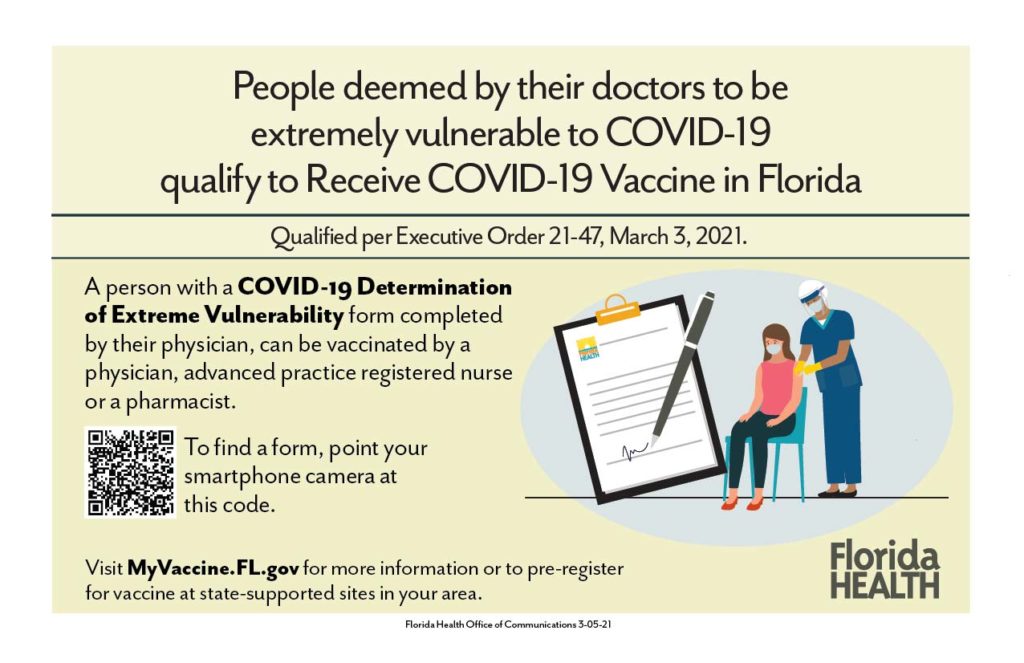
Dr. Vincent Venditto is an Assistant Professor of Pharmaceutical Sciences at the University of Kentucky College of Pharmacy. He received training in vaccine design and immunology and continues to investigate vaccine strategies to better understand how the immune system works in disease progression. On this episode, Dr. Venditto speaks on the importance of getting the vaccine and helps to clarify some of the questions surrounding the COVID crisis. We also discuss the impact of COVID on the population of people who have disabilities and issues related to the access barriers for getting vaccinated.

For more information:
Fact vs. fiction: https://pharmacy.uky.edu/news-events/archive/covid-19-vaccines-fact-vs-fiction
Top 10 questions: https://pharmacy.uky.edu/news-events/archive/10-quick-questions-about-covid-19-vaccines

https://open.spotify.com/episode/2NA10yiglQhTgytfQdmc0C

SPEAKERS: Vince Venditto, Tony Delisle

Tony Delisle  00:00

It is in our nature, to want to grow, to expand, and to learn more information, to acquire knowledge, and wisdom. And to be more that comes from Abraham Maslow, and I believe is a very important quote that relates to making sure that we have the most accurate information possible when making choices. In order to learn and grow, got to have the right information. And today, it can be a very difficult time to get the right accurate information. And so in today’s podcast, as we interviewed Dr. Vincent Venditto, to get more information about something that’s really important to be informed on the vaccination for the COVID-19 virus, and for people with disabilities, to get the accurate information about that, to have that knowledge to have that wisdom to learn more is important in terms of this topic, so that we can be more so I look forward to you hearing this episode. Hey, welcome back to another episode of The Independent Life. I’m here with Dr. Vince, Venditto. He comes to us from the University of Kentucky College of Pharmacy, and He is an expert in infectious disease and vaccinations. And he is come here to have a conversation with us because I think what he has to share is very important for us to understand and making important decisions regarding the COVID vaccination, and people with disabilities. So there’s a lot to unpack here. And before we do, please tell us a little bit about who you are and what you’re an expert in in this area, and why you have the credentials and background to have the information that we should be listening to.

Vince Venditto  02:06

Great, thanks. It’s pleasure to be here. So my background, I got my PhD in Chemistry actually at Texas A&M University. And then for a postdoc, I went to do a to learn how to make vaccines to use my Chemistry experience, and learn how to make vaccines and learn about immunology. And so really, it was through this process that I that I really got the experience and expertise that that brings me here today. During my postdoc I was i was focused on making HIV vaccines and trying to develop this was out at University of California in San Francisco. And I was I was developing HIV vaccines trying to, you know, to address another public health need where we really do need a vaccine. And so since moving to the University of Kentucky, I’ve kind of retooled the the technology that I was using the vaccine technology to focus on studying immune responses in other diseases where we think vaccine technology could have an impact like in cardiovascular disease. So a lot of my work right now actually focuses on trying to modulate immune responses in the context of cardiovascular disease. But the other thing that I’ll say that AI is really important, and I think really what brought me to this point is certainly I have this experience in training in vaccine design and Immunology. But there’s so much misinformation out there, and scientists who have experience and understanding about the vaccines about the process that we’re going through. And you know, I mean, we’re all completely surrounded by COVID-19, inflammation and misinformation. And so, as a as a scientist, and as a person who’s interested in in scientific communication, and making sure that the public is properly educated, I cede my duty to inform as many people as possible on the appropriate information and trying to dispel some of the myths, misconceptions that are out there.

Tony Delisle  04:06

Well, you have your work cut out for you, because it just seems like the onslaught of misinformation out there in the platforms that is just been multiplied over the years. And it’s been interesting and somewhat disheartening, being someone myself from public health, to see how much misinformation around COVID-19 has been out there, how it’s been a real challenge for people like yourselves, to really combat that misinformation is very valuable and appreciate your efforts and being able to do that, because that is certainly one of the most important areas is to, you know, have the right information, the correct information to make the informed decisions that we need to make and thank you for making sure that we are bringing the right evidence base information to the forefront before I dive into the you know, why should we get vaccinated What’s this you know, science behind the reasons of why We should add to your understanding about, you know, COVID-19. And its impact perhaps on people with disabilities, when we look at, you know, the people that are most likely to, you know, be impacted by COVID? And who that might be and pertaining to disabilities. Do you see anything in terms of the raise prevalence or issues related to COVID? pertaining to disability to your knowledge?

Vince Venditto  05:25

Yeah, so I it’s it’s a good question. I mean, you know, I think what we see right now with people that are impacted by COVID-19, it’s it’s it’s affecting people who have health disparities in other areas. So people who have increased rates of heart disease, increased rates of diabetes, increased rates of lung conditions. And so, you know, this is, I would say, across the board, anybody that has increased rates of those conditions are certainly going to be impacted. And I know that you shared some data that these rates are are increased in people living with disabilities. And so, you know, really, I think of concern because getting infected with coronavirus, if you have one of these conditions, and you’re in one of these populations that maybe doesn’t have appropriate health care doesn’t have the appropriate access to care, then getting infected can really have a huge impact on your life and long term effects on living and long term health conditions. 

Tony Delisle  06:24

So thank you for bringing that up, that people with disabilities are more likely to have cardiovascular disease, respiratory disease, diabetes, though secondary outcomes that are related to COVID-19. But also people over 65, you know, over half of all people over 65 have a disability as well. And then I looked at a lot of the, you know, rates in institutionalized care, and you know, how many, the percentage of people in institutionalized care, the nursing home facilities, you know, do have disabilities, as well, and the impact that it’s had on our community, in that sense. And so I do believe that, you know, COVID-19, and its impact on people disabilities is, is an important area to understand more on what’s happening so we can do better to serve. And so I appreciate your pointing to some of that information in terms of that sense.

Vince Venditto  07:12

So I think the other point that you just brought up is people living in institutionalized care, and that really, is kind of optimal place for coronavirus to spread through a community. So you know, if coronavirus comes into a place where there is, you know, it where it’s difficult to physical distance from other people or, you know, nurses are potentially carriers of the virus and, and so even if you’re vaccinated, and we can get into this a little bit later, even if you’re vaccinated, you could still potentially spread, but it’s just going to keep you from getting sicker. And so that’s why the vaccine is so important for people living in different settings with close quarters, and where there’s a lot of high end interactions with other people. So yeah, I mean, the vaccine is just so important. And we can talk about that more in a bit, I guess.

Tony Delisle  08:02

Are gonna ready to jump in on that one. Yeah. Right now, but I feel like there’s something else to before we, you know, put a bow on the institutionalized care, because like there, yes, we’re Centers for Independent Living. So in a way, we have the space that’s somewhat juxtaposed to institutionalized care. So we try to make sure that people with disabilities to whatever extent possible can live in the community, or the least restrictive environment possible, and preventing any type of institutionalized care if possible. But do you see the role for institutionalized care? There’s certainly a need for institutionalized care. And does this mean that perhaps we should look at how institutionalized care is done differently? Is there ways of doing it non congregate ways of doing it to, you know, institutionalized care that would mitigate the amount of close quarters that are people in with maintaining connection and community perhaps, I don’t know it for me, it makes me think about the model in which it’s currently in and the model which currently could be to be the best one that, you know, would help mitigate the effects that we’re seeing from COVID-19.

Vince Venditto  09:09

Yeah, I mean, I think it’s a great point, and I wish I had an answer to it.

Tony Delisle  09:12

Yeah, I just throw that out there. Yeah.

Vince Venditto  09:16

I mean, I yeah, I it’s certainly something that I think that you know, coronavirus in the pandemic has really brought up a lot of things in how we care for people and how we think about our normal daily lives and how we can change how we’re living to improve the you know, the care for all people, whether they’re, you’re in an institutionalized setting, or you’re, you know, or you’re, you’re in your own home, and I think all of those things have changed because of the pandemic and I think will continue to change because of the health disparities that we’ve seen come up with, you know, different conditions, different living settings.

Tony Delisle  09:52

So please tell us why, you know, there’s there’s a lot of us out here again, have information misinformation, overload. And everything else like that. Why is it that we should get the vaccination for COVID-19?

Vince Venditto  10:06

Yeah. So I mean, the short answer is that it’s going to keep you out of the hospital or it’s going to keep most of the people out of hospital. This is the data that they collected with the clinical trial. And that is that in the 40,000 people or thereabout. 40,000 people that were included in a clinical trial, people who were vaccinated had had better outcomes, they didn’t have the progression to hospitalization, they didn’t have any of the sudden severe disease that we saw on people who were not vaccinated. And that that alone is is the importance of getting the vaccine, it’s really to keep people out of the hospitals, and keep people off of ventilators, the vaccine is designed to give your immune system just a little bit of a boost so that you can help fight the virus without succumbing to the pretty serious consequences if you are infected.

Tony Delisle  10:55

So is there any, like certain health conditions or types of disabilities or anything that you know, group of people that might have a certain type of condition should, you know be wary of having the vaccination at all that you want to say, Hey, baby, you know, check with a doctor before you get the vaccination if you have such and such condition?

Vince Venditto  11:18

Yeah, so I mean, my blanket response really is anybody that has some concerns should definitely talk to their their primary care provider, their physician, about their specific conditions, their specific concerns, because I certainly don’t have all the health information for everybody that has those questions. But I, you know, based on on what we’ve seen so far, really is that there have only been a few, really, I think, severe adverse responses. And this is, they’ve seen pretty strong allergic responses, really, it’s only been a handful of people. You know, they’ve they’ve immunized I don’t know how many million people so far, but they’ve only seen this really strong anaphylaxis response in maybe about 20 or 30 people. So it’s a relatively small number of people. But they have issued a warning, you know that if you have a strong anaphylactic response to other things to foods or to this isn’t seasonal allergies, this is something that that requires an epi pen or requires hospitalization at something that you’ve had in the past. And so they are indicating that if you have any anaplastic reactions in the past anything that you talk to your healthcare provider, make them aware and and if you are getting the vaccine, which is still recommended, it should be done in a clinical setting, rather than in a drive thru clinic, where professional care is there in case you have any strong responses. But again, they’re rare. So you know, it is recommended that most people get the vaccine.

Tony Delisle  12:54

Gotcha, gotcha. So yeah, that that definitely, you know, is one thing that goes through people’s minds about reasons kind of why not to and, you know, it’s thinking of other reasons that, you know, I’ve heard from people I know, friends, I know, and etc, why they shouldn’t get the vaccine, and I want to hear maybe, what do you think of him? So, you know, I have some people that say, hey, look, the trials, you know, for this vaccine, you know, maybe went off in April, May, or whatever it may be, it’s been such a short amount of time to develop a vaccine of this nature against a virus like this, like a true amazement of like science to be able to do something this fast, like quite incredible, mind blowing, and say that well, because of that, you know, nature, we haven’t had enough time longitudinally to kind of see the effects of what the, you know, vaccine might do to us in terms of any kind of, you know, reactions to it right away or down the road. So, I’m gonna wait and see, you know, what, how this pans out? And you know, so I’ve heard that before. So what would you tell someone like that, that, you know, has those kind of reasons why they might not get vaccinated?

Vince Venditto  14:05

Yeah, I mean, I’ve heard this quite a bit, too. And I think it’s understandable. But let me tell you why I’ve gotten vaccinated, even though those concerns do exist in the community. And so first, let me talk about the approval process. And then I’ll talk about some of the what we see in side effects with with other vaccines and the timeframe of those. So this approval process, you know, it was the fastest vaccine to be to get approval from the FDA and that it only took a year and that, you know, that is quicker than the next fastest, which is the measles vaccine, which took four years. And the reason that this process was so yeah. Yeah. And it’s a testament to the science really, that that this happened. Yeah. And to the public investment in the federal investment that to get us to this point.

Tony Delisle  14:56

Yeah, I think I’m so glad you’re saying that. I think that does need to be acknowledged. That’s really a great amazing feat that has been accomplished.

Vince Venditto  15:03

It is. So the the mRNA technology that’s the basis for both the Pfizer and Moderna vaccines that was really devised, I would say in the not in the 90s. And it was it was designed with the goal of doing a rapid development of a vaccine. And we can get into the the way that works in a little bit if you’re interested. But, but basically, because it was designed for rapid rollout, and and it was, you know, they they kind of invented the technology in the 90s. They then started to continue to optimize the technology, they were doing a lot of preclinical studies in different small animal and primate models. And then when MERS came around when SARS came around, these are other coronaviruses that happened. I guess SARS one happened 13 years ago, or something like that, I forget the actual date. So when that came around, they wanted to do a clinical trial with the same technology. The problem is it didn’t spread around the globe the way that it did for this pandemic. And so they weren’t able to actually immunize the 40,000 people that they did in the phase three trial, like they did for this pandemic. And so while it was being developed for these other, these other viruses, they never had enough people to do a proper controlled trial. And so did you have a question?

Tony Delisle  16:24

No, I was just like, like, really appreciating how they’re able to scale this up? Yeah, have been able to do this. I marvel, I marvel at the administrative and the scientific level. I mean, gather to coordinate, you know, it’s To me, it’s like the moonshot. Yeah, you know, in a way, it’s like a moonshot opportunity, you know, point in science that I think needs to be like seen like that. Right? Absolutely. So again, that goes back to that, you know, I guess person that saying, Well, again, you know, that comes in part and parcel with the notion that, you know, we haven’t seen enough time with it. But I also have other people that are weighing like, oh, that, you know, this cost benefit analysis that they have in their head where, you know, what, whatever reaction I might get out of the COVID-19, or your reaction that I have, it’s not gonna be any bad, but COVID, I’ll be COVID. It’ll be okay. Whatever I can do. COVID is not gonna be as bad as whatever I’m actually getting from this vaccine and kind of having that attitude. What do you would you say to that kind of reason for perhaps not getting the vaccine? Yeah. So

Vince Venditto  17:30

As this vaccine went through clinical trials, the FDA told them that they had to wait for at least eight weeks after the second dose in the phase three trial to determine if there were any side effects. And the question is why eight weeks. And that’s because generally, any adverse event that’s seen with the vaccine with any other vaccines, they generally occur either immediately after immunization, or 68 weeks later. And because we haven’t seen that the risk of the vaccine is actually quite low, obviously, we’re still monitoring, we’re going to be doing studies monitoring these patients for years to come. And so you know, all this stuff will will play out over that time, but but based on all of the evidence we have, from all of the vaccines, six to eight weeks is kind of that sweet spot. And if you don’t see anything by then, then they’re relatively safe. And if you compare the risk, the the very low risk of the vaccine, with the relatively high risk of actually getting infected, and potentially hospitalized and potentially even dying from the virus, the risk reward with the vaccine is certainly advantages, the the benefits of the vaccine as opposed to the virus getting infected.

Tony Delisle  18:45

So gotcha. Thank you. So when we talk about people also wanting to give the vaccine, some of the things that people you know, having leery about also are kind of related to sometimes things that have happened in science in the past that have been confusing to people and also led to a movement. And since what I mean by is, is that there’s been, you know, an anti vaccination movement. And one part of that, you know, story of the anti Vax movement is that it is linked to people that have autism. And so that, you know, is directly related to disability and vaccinations and perhaps, you know, you know, could have repercussions today, in terms of some people and whether or not they want to get this COVID-19 vaccination as well. So, is there anything that you would have to say to somebody that, you know, kind of is, you know, connecting those things together with getting the COVID vaccination? 

Vince Venditto  19:42

Yeah I mean, you know, first of all, none none of those things are actually true all the that data has been proven to be falsified and not accurate. But this anti vaccine movement has been going on since vaccines were developed by Edward Jenner. And there were a lot of political cartoons indicated. That people who were vaccinated were turning into cows. And this was around the smallpox vaccine, where they were taking cow pustules. And so there’s, so this is not a new thing. And they, you know, they went from saying that people are going to turn into cows, too then saying that when the paper was published, saying that the vaccines cause autism, none of these things are true, and none of them have been have been shown to be true. And that paper that linked autism to vaccines was proven to just not be correct. But there’s a lot of people in the media, there’s prominent celebrities and politicians that continue to promote this just false science. And, and that, that’s pretty detrimental. Because there’s a lot more people that know these celebrities than know me. And so I can only do so much, I only have such, so big of a platform. But they they reach so many more people so much more easily. So it, it’s easy for them to get their false science to people rather than me trying to dispel those myths. So really, there is no connection to any of these disabilities, I can set tell you that. There are some occasionally some side effects that are observed in vaccines, and we haven’t seen any of them with the Pfizer maternal vaccines. And those observations are typically made during clinical trials. And if there is a high abundance of the side effects, then they wouldn’t approve them. And so and we’re not seeing any of that with these vaccines. So these vaccines seems safer than most other vaccines that are on the market. And, and they’re all safe, too. So you know, it’s it’s, it’s really a testament to the science and the opportunity here to actually target other viruses as well. 

Tony Delisle  21:45

Really, that makes a lot of sense. And there is a consensus. Yeah, that I’m aware of in the research that says that it is not linked to autism, I believe the article you’re referring to was in the Lancer. It was retracted. I think it was one of the rare times like, you know, an article, at least in that kind of a publication is retracted. Right, you know, for good reason when you go back on it, so, so I’m glad you brought that up. So if you get the vaccine, I know, a couple common questions that people might have is that if I get the vaccine, does that mean, I? Am I still able to get someone else infected? Or am I protected from getting someone else infected? So if someone gets the vaccine, you know, can they get someone else? You know, COVID? Or are they immune to that?

Vince Venditto  22:35

Yeah, so it’s it’s a good question. It’s something that we’re still trying to figure out what the clinical trials did was they determined whether or not people who were vaccinated would have less severe disease. And the clinical trial showed that if you’re vaccinated, you have less severe disease, it did not prove that if you’re vaccinated, that you can that you won’t transmit to other people anymore. And so it’s important that if you are vaccinated, that you continue wearing a mask, you continue physical distancing, washing your hands, until we actually prove that the vaccine prevents transmission. And right now, we just don’t really have all the data to say that.

Tony Delisle  23:13

Okay, all right. Fair enough. And, you know, as we’re recording this, you know, January 27, seems like it’s a race against time, you know, the clock’s ticking, for sure. At the same time, we’re hearing, you know, different strains, you know, coming out of different countries at this point. And these are hybrids. And then, you know, questions get raised about, well, well, this vaccine that’s currently be distributed, be protective against these other strains. Is there any educated guess there? Or what’s the thoughts?

Vince Venditto  23:43

Yeah, that’s that’s a good question. So I think there’s, I’ll first say that mutations in viruses are very common. And I could tell you the data that we see in Kentucky right now is that there have that been about 23 mutations in the virus in the past year. And so that’s a relatively low rate of mutation, which are some and none of those mutations have really led to any dramatic differences. We’re not seeing increased infectivity, we’re not seeing any increased and this is in in Kentucky I’m referring to now there are some of these variants and mutations that are occurring. There’s this one that a lot of public health, individuals are looking at to make sure that to look at the transmissibility, and the infectivity, and every time a new mutation arises in a community, they then make that virus and they then test to see whether or not the vaccine can still neutralize or limit infectivity. And so far, the vaccines have proven to do their job. The nice thing about the vaccine technology though, is if we find that there’s a variant that’s coming around, that does not respond to the vaccine that’s currently approved. It’s a relatively easy process to get an new vaccine made, because you’re just changing the few, a little piece of the genetic code that’s in the, it’s in the vaccine. Wow, that’s good. And the approval process will actually be much faster because they’ll they’ll have to do a small clinical trial to show that there’s no additional adverse are no, there’s no adverse events that come up with this minor change in the genetic code. But everything else is effectively the same. And it’s not anticipated that changes to the genetic code of the vaccine is going to impact safety or efficacy. So I imagine that in a matter of months, we can have a new vaccine to get to people, if a specific strain starts circulating, that is different and more virulent.

Tony Delisle  25:45

That’s very encouraging to hear. That’s great to hear. Well, so alright, so to kind of round this out, the one end is developing it, the other would be then, you know, getting it out to people. We’re trying to be a part of where we can encourage people to say yes to it. But then once you say yes, you know how people can get LinkedIn and go about that? Are you on kind of inside about, you know, how best practices would run in terms of getting your vaccines to people, especially like with disabilities, who may be in the community, but have limited access to the vaccine, you know, how they can get it, you know, in a way that’s effectively communicated to them and offered in a way that’s accessible to them as well? Are you in on your that kind of end of the vaccination coordination?

Vince Venditto  26:32

I’ve not, and I don’t envy the the people in those positions. Who are, I think the one thing that I would say, though, is, I think politicians have a lot of pull in this area, and they’re the ones that are making the laws on how the vaccines are distributed. And so I would urge anybody who’s listening to this to, you know, write your senators, right, your Congress, people that that the state and federal level, and tell them that it’s important to get vaccines to the, to your community, and, you know, I would certainly encourage people to do that. And, and it’s so important to make sure that everybody has access to this, and certainly those with, as we talked about previously, people with increased risk for cardiovascular disease, lung disease, diabetes, things that that, you know, are elevated in, in the disability community. So, yeah.

Tony Delisle  27:22

Thank you for bringing up that point, that’s something that we really want to underscore here at the independent life is, people getting involved at the local and state level on advocating and this is certainly an important place to advocate for, I think, also, because people with disabilities aren’t necessarily included in the first round of priority. People that you know, should be getting the vaccine. And, you know, there’s good reasons of, you know, why the data, my point is why we should be, and so, you know, advocating for us to make sure that, you know, we do get the vaccine at the appropriate time because of the need, and it being there, I think is a very important thing, that’s a real time advocacy issue for our community right now, to end and to be able to do it in a way that you know, people have access to, and will be able to get it, you know, just as equally as anyone else will be able to so I can appreciate how you don’t envy, that part of the lift that’s going on. Like that, again, is a you know, a systematic moon left, there will also have to happen in coordination with the incredible feats of science that is occurred as well. Alright, well, let’s try and put a bow on this, if you are giving me your elevator speech, you know, to everybody about Okay, why we should get vaccinated. You know, why the people perhaps even living with somebody who has a disability get vaccinated, because they’re going to be around them all the time, and etc. You know, why should we get vaccinated? Why should we be doing this right now?

Vince Venditto  28:45

Yeah, I mean, it’s so important to get vaccinated to keep you out of the hospital. And after you’re vaccinated, it’s important to continue wearing a mask, physical distancing, washing your hands, to keep the people around you out of the hospital, you know, until everybody has access to the vaccine, we’re still living through a pandemic. And so we need to not only protect ourselves with the vaccine, but protecting our communities, and those around us is so critical. So I would encourage everybody to get the vaccine, speak with your health care providers. And, and, you know, hopefully, we’ll be through this soon so we can get back to, you know, life as as new normal, I guess, right?

Tony Delisle  29:24

Yeah, it’ll be very different on the other side, that’s another fascinating conversation to be had about, again, you know, how can we do things different moving into the future, you know, we just do one little nugget out there about institutionalized care, but there are many more to consider as well, you know, to mitigate it, you know, in the first place, and maybe perhaps one day we can continue a conversation though, going down. There’s other areas that would be very interesting to talk about and related to what you do and what you do is I just want to acknowledge you, and thank you for doing the hard work that it is there for you to do. This is an easy work that you’re a part of, it takes a huge amount of you know dedication you know, PR personally and professionally to do the work that you’re doing then to go beyond that it’s kind of above and beyond and to really feel that it’s their responsibility to get this out to the public and to you know, in a way that they can understand and real information and make a really good informed decision on and so I just want to acknowledge you for taking that you know, extra leap even beyond you know, the incredible work that you already do, you know, in this field to reach out to the public and communicate this information in a way we can absorb so that’s huge and for you to put yourself out there and to do this and you know, your time super valuable, says a lot about you and and yeah, can go a long way. And abating my opinion about the University of Kentucky being over here in the University of Florida, you know, sometimes there’s a bias in the community. And, you know, so you know, these are times where we can work and be more diverse and so I can be more accepting of, you know, expertise that come out of this institution. So I say all that and just because of, you know, our connections and love for one another’s universities, I’m sure all right, yes. But uh, but uh, hey, well, I again, you know, thank you so much for your time. And, you know, if ever to continue the conversation and really promote pro messaging, you know, for vaccinations, I’d love to call on you and continue getting good information out to the people that we can make a better informed choice here.

Vince Venditto  31:31

Thank you very much for having me. And I appreciate being here and I appreciate what you’re doing for the community. So I’d be happy to come back anytime.

Tony Delisle  31:40

All right, thank you, Dr. Venditto. All right, again, another episode for the independent life until the next time, onward and upward.

Amy Feutz  31:50

Thanks for listening to The Independent Life podcast brought to you by the Center for Independent Living of North Central Florida. If you like what you hear, please rate review and subscribe. And if you know anyone who might benefit from listening, share this podcast and invite them to subscribe to for questions or suggestions or if you have a story you’d like to share, please email us at cilncf.org@gmail.com for call us at 352-378-7474. Thanks for joining us. Until next time, support, advocate and empower each other to live the independent life.

COVID-19 Vaccine Information

This past year has been a very trying time for many people in our community. With the new vaccine that has come out, we see the possibility of life going back to normal. Florida has established a vaccine registration website at https://myvaccine.fl.gov/

The following groups of individuals are elligible for the vaccine:
· Healthcare Personnel with Direct Patient Contact
· Individuals Deemed Extremely Vulnerable to COVID-19
· Individuals 65 Years of Age and Older
· Long-Term Care Facility Residents & Staff

Visiting the site below allows you to register to virtually “get in line” for a vaccine in your county so you can be contacted via phone, text or email when new appointments become available.

The first two categories of eligibility should be able to cover individuals with disabilities of all ages and personal care workers. The registration process does not request any proof of disability, so please make sure to check out the link and register for your vaccine.

Additionally, in coordination with the White House COVID-19 Response Plan, FEMA is working with federal, state, local, tribal and territorial partners to deliver vaccinations across the country. As part of these efforts, FEMA has made vaccine support information available on FEMA.gov. The webpage includes information on:

· How you can get vaccinated.
· FEMA support for vaccine distribution.
· The accelerated state vaccine efforts.
· Identifying and filling resource gaps.
· Supporting and establishing vaccine sites.

While the country is still in the initial phases of the vaccine distribution plan, we encourage everyone to follow the Center for Disease Control’s recommendations on staying safe during the pandemic.

Disability Advocacy with Drew Dees

Despite living with Cerebral Palsy, Drew Dees does not let it stop him from pursuing his dreams. His upbringing consisted of a simple principle that has carried him throughout life — anything can be accomplished with effort. Drew is currently dedicating a lot of time and effort to pursuing a career as a Multimedia Journalist, which has been his dream job as long as he can remember. Drew wants to inspire and make a difference in this world through his work, and another way he defines himself is by his work as an advocate for those with special needs. The ability to help others is a gift, and he is glad to be able to serve his community in this way.

https://open.spotify.com/episode/3LMpjgFnpTcOSaRntPfWia

SPEAKERS: Drew Dees, Tony Delisle

Tony Delisle  00:00

So a couple quotes come to mind from our guest today, Drew Dees. One of them his dreams don’t work unless you do. And that’s from John Maxwell, guru on leadership, because Drew has a phenomenal work ethic. He’s the first one to wheel in, in the morning, last one to wheel out. And he’s super resilient, has lots of grit and determination. And it’s just amazing. But he also has a clear vision and purpose and that he’s following. And that’s something for all of us to learn about, you know, how do we create our purpose? And then how do we execute on achieving that purpose, a quote comes to mind where it says, you know, a vision without work, will only be a dream. work without having a clear vision is just drudgery. But having a vision and the work to back it up. Well, that’s the change that we need in this world, and within all of us, as well. And he really brings that to life. Ultimately, he really amplifies that and goes beyond and really has a message that we all need to have unity through disability, something that we’re really trying to promote this perspective with people on, and he talks about the importance of this, this collective goodwill that we can give to one another, especially in these times and how important it is that Above all, I think is one of the most important messages that he brings to bear and shares with his on this podcast. I look forward to having you hear him and letting us know what you think about it. Enjoy the podcast. Welcome back to another edition of The Independent Life Podcast. I am so excited today to have on Drew Dees, he has the name of a superhero or like a Hollywood actor or something I don’t know Rockstar perhaps. Drew Dees You don’t even have to work on your handle, you already have an amazing one, you kind of back your name up, your story’s incredible, you’re living your dream, your purpose and have so much to offer. We first met because I got wind of you and your your name is out there to be a speaker for our high school high tech event. And you were able to come along and do some of that. And quickly you and I got partnered up on a few presentations at the University of Florida to a few different venues in which you and I got to co-present and have conversations with people. You and I had a time where the mechanical engineering department was looking to do a more sophisticated grabber for people who had you know, hand mobility issues and you participated in that was it amazing, like high tech, 5g grabber? I don’t know it was amazing. And so you and I got to you know, cars pass. And one thing I gotta say about you drew is that you have this really magnetic energy about you, you have a can do attitude, it seems very growth mindset, very positive. Like all these things, you know, I really want to acknowledge you for just taking the time to come and talk to us and share your perspectives. So in that, introduce yourself to people. Tell us a little bit about yourself.

Drew Dees  03:25

Yeah, absolutely. Thanks so much, Tony, to you and listener for having me today, I greatly appreciate it. That’s kind of thought that’s what I thought about love. But my name is Drew Dees. I am currently a senior, wildly crazily enough a senior that’s strange to say, I’ll be graduating this summer with a bachelor’s degree in telecommunications news. So I hope to someday be on your TV, and become your local anchor or put it but I also have a passion for advocating for people with disabilities and and also, you know, and as well as higher education. So who knows, well end up always say, I’ll end up wherever God wants me to be. I, you know, I’m trying to be an anchor point here, but and I’m also open minded, open to whatever wherever He leads me and follow so.

Tony Delisle  04:24

So so where were you born and raised Drew?

Drew Dees  04:27

Sure. So one race in Trenton, Florida. So it’s a small town about 45 minutes east of Gainesville. So it’s a one stoplight town and I always tell people, if you blink, you miss it. It’s not there with all the cows and the heat goes. So that’s the kind of stuff that we saw over time. So yeah, so I went to Trenton High School, graduated in 2014. Then I went to Santa Fe College. Then I transferred in the fall of 2017 here to the University of Florida.

Tony Delisle  05:01

Wow, sort of grew up in a rural area. And I’ve been through Trenton and lovely area, nice Southern, you know, it’s good feel there. To go from there to Gainesville to Santa Fe College and the University of Florida as a senior, you know, what is it that has allowed you to do this and to be independent as you are, I mean, you’re living a very independent type lifestyle. And so what are some of the things that you have needed to have in place in order to be where you are today?

Drew Dees  05:32

I think first and foremost, I want to give a shout out to my tremendous a wonderful parents. I really, truly believe that it all starts there, and the good upbringing. And if you have parents that believe in you, and your mission, and believe that you can do whatever you set your mind to, you’re gonna, you’re gonna thrive from there. That’s the principle that I’ve always lived my life upon, based upon Can’t was not a word in our house, right? You gotta get out laundry you’re gonna get in, then you’re gonna get in there and do everything everyone else does, it just might take you a little either way, you just have to work a little harder than most. So credit my, my parents, first and foremost, for where I am today, but there’s different, I’ve had a great support system beyond that as well, with personal care assistants and resources at Santa Fe College and University of Florida disability resource center. Here at the University Florida especially I cannot speak highly enough about them. They’re next to none. I know, here coming to the University of Florida for me, with about 50,000 students. It’s kind of nerve racking, right? I say that at Santa Fe College you have that smaller, more intimate classroom setting. And it’s like, All right, now I’m really a fish in a big old pond here. But I’m actually I was quite the opposite. The University of Florida has done everything in anything to take me under their wing. And they’ve done lots of great things for me, as well as many other students across campus. And, you know, I always partner with them as well, any way I can, any way that I can give back to the community, for people with disabilities. That’s what I do.

Tony Delisle  07:19

And Drew, you bring to bear one of the most important things that we do you need is that social support. And it sounds like you won the cosmic lottery and having the parents that you have right there to be supportive of you. And you said, beyond that, the social network and support and that’s one of the things we want to drive home to people is that we all need each other. We all belong people with disabilities, like yourself bring so much to the table. And I think one of your quotes was is like, if everybody was like, it would be so boring. like normal is whatever that is. Like, what? Yeah. Yeah, who wants to be normal? So ever done, right? But anyways, you know, you see you bring that, you know, mindset. And I think, you know, that can do attitude, like you said, from your parents, you know, so my question to you is what led you to wanting to do like reporting, multimedia, you want to be on everybody’s TV, this seemed to have been part of what is drawn you through your life experience. So walk me through how that came about? How did you land on that? How did you find that as to be your purpose?

Drew Dees  08:25

Sure. So growing up, I’ve always loved to be in the limelight be in the spotlight. Anywhere, there’s a microphone and a stage. My mom always said she could find me there. So for me, that’s the first thing but first and foremost, with the ongoing debate about disability representation in the in the media, right? How often do we see true representation of disability within the media? We don’t and we definitely don’t see a reporter or an anchor with a physical disability, you know, on TV, and it’s 2020. 2020 almost 2021 right? So I feel that it’s time for someone to change that. So I hope that I can be the one to be the Trailblazer to change that. Like I said, we do have some representation in the media right now. But like, far too often that’s not true representation. They always bring in actors to portray people with disabilities. Why do you do that when you can just have you know personal a true person with a disability but lives in a portary that part or play that part better than anyone else?

Tony Delisle  09:39

Yes. Wow, true. And well I tell you, I think you have the it factor, that juice some people say to do that, and so I have already gotten your autograph I think three years ago and I know it’s gonna just like appreciate over time. That is amazing. You know, as you have with this purpose, really pulled yourself, you know, into the where you are today, all this, you know, independence that you’ve had to work, you know, to have in your life to be able to achieve these goals, what would you say is some of the things that you would tell people with disabilities that if they want to go on a similar trajectory as you, and that could be school, and all these other kinds of things? What kind of message would you have to somebody? Because this is pretty aspirational, and requires a purpose, you found your purpose? What would you tell people who are like actively, like looking to take it to the next level? And again, it could be school, it could be, you know, work, it could be relationships, it could be their health, you know, but wanting to take it to the next level? Like you’re, you’re taking yourself to the next level by finding your why. So what can you tell those of us who have disabilities? How can we go on a similar trajectory as Drew Dees?

Drew Dees  10:51

I would say, believe it or not, everyone has their down days, even me. But I would say first and foremost, do not give up. I’m always like, say, Do not stop at the first no. If I were to stop at the first No, I would, I would not be sitting here in my dorm room here, the University of Florida, about to graduate, Tony, talking to you today. So it’s really it really takes that grit and determination. Yeah, we may get rejected, um, to start off and just to go on a little bit, I myself, you know, I’m thriving, I’m doing the best I can. But I myself along the way, I’ve always faced rejections, specifically, within the broadcast industry in the media field, it’s been hard to get those internships and things and to get those employers to look beyond the barriers, look beyond and still continue to see me as an asset to the organization. I’ve been denied for a particular internship three times, three times I was denied. So that, and that they told me the media field, the media industry, its just not for me. But I kept persistent and, you know, God, God said, God puts people in places people in your life are the right places, other times, and I didn’t give up, I still went to those career fairs every year, here at the College of Journalism and Communications. And finally, I had a company take a chance on me. And not only wasn’t a company, a media company, but it was a company outside of Gainesville, okay, it was a company all the way in Orlando, West 2 news. Perfect. Enough about the positive experiences I had done there in Orlando. But had I not faced that rejection, had I gotten a local internship, I would have just remained here, inside my bubble here in Gainesville, Florida. And I wouldn’t have the network expansion that I have now. The resources that I have in other areas.

Tony Delisle  13:09

So Drew, you said a lot there. And kind of going a little deep on on some of those things. Because how do we deal with these setbacks like the you experience so we’re in this place of rejection, I want to put up air quotes when I say failure, because through this podcast, we’re gonna really talk about what quote unquote, failure is, basically, an opportunity to learn, but in the, in the times of going through these, you know, setbacks, or, you know, things didn’t go the way we wanted them to, and we worked really hard and did all the things in our power to, we got to be in that space. How do you take yourself out of that space? How do you base those times, so that you can actually grow from them? versus this, like, keeping you down? Or just saying, you know what, like you said, You were right up to that edge. You said, like, this might not be for me. So what taught you back off that edge? How do you get off that edge?

Drew Dees  13:59

I think for me, I, like you said I was almost on that cliff almost ready to jump. And I think for me, I really had to take a step back. Re-evaluate, keep pushing, because I’m a can do person, right? You’re not gonna tell me no. And I said, you know, if this is meant to be, it will all work out. Not in my timing now, in God’s time. And for me, personally, I really rely on my faith. And not only my faith, but the people around me, the people who I choose to surround myself, the people who have may have gone through a similar experience as me. So that can help me and coach me and get me to where I need to be along the way.

Tony Delisle  14:48

So you talked about a couple of values there that you’ve kind of have taken away from those challenges and to get to where you’re at today. grit and perseverance, grit and perseverance. Could you talk a little bit about what that means to you and how it’s been used by you to face and overcome the challenges and how you put that into practice?

Drew Dees  15:10

I think those two things. Without those, no one, no one succeeds, right. But I think people with disabilities as a whole, I think each and every one of us have a little bit more grit, and a little bit more perseverance than everyone else. Because we face challenges we face obstacles every day, right? But what we learn through those challenges, and what we learned through that perseverance, is we learn how to adapt to changes. Take COVID for instance, you know, everyone’s world has been turned upside down. But for people with disabilities, that’s nothing new. Because every day, we’ll we’ll be on the straight and narrow. And life will take a sharp pain, but you know, what you do, you get back up, dust yourself off, and you begin again, and something gone down the road of COVID, something that’s been very striking to me, you know, in the times of COVID, we have people with disabilities, we would like to have certain accommodations and things put in place, right. And when we asked for those things, well, we were told, That’s not possible. But all of a sudden, we have pandemic like COVID-19. And it changes for everyone. So in the snap of a finger, there’s the accomodations that we’ve been fighting for, for many years. So that’s my most interesting thing. COVID is how the world just suddenly Oh! Let’s make it better. Well, you know, and that’s thing. Yeah, we need accommodations. But at the end of the day, it’s not just about us, does it help us? Sure. But to make this world more universally designed, is better for all, not just people with disabilities.

Tony Delisle  17:08

Yeah, so I like how you tied that thread between grit, perseverance, and adaptability, you know, on a day in and day out basis, going through that, it’s like doing reps, you get stronger from it. And when something like you said, the COVID pandemic comes along those same mechanics, it just might be new to everybody, but the same mechanics of having to deal with the challenge, and sometimes the fear or uncertainty at the beginning and processing it, and then, you know, kind of the reflex of the mechanics go in is like, okay, we faced this before, I’ve done this over here. So I can do this here. And I can, you know, figure ways around above and beyond and over and under whatever way that that it is, and, you know, I’ll do everything in our power, let go of the things I can’t control. And like you said, we’ll be put in the right place at the right time when the students ready, the teacher appears. And so, you know, as you lead us through that, you know, kind of thread here. You know, to me, one of the things that I find very interesting in what you said, that you tie into now is universal design. And that’s good for everybody. Could you explain to us what universal design means and why that is so very important, and that everyone needs to understand what it’s all about.

Drew Dees  18:26

Universal Design is simply put, access for all eliminating barriers, all kinds for all people. In a recent interview that I had, I said, you know, universal at some point in your life, you’re going to experience having a disability, whether you’ve torn your leg, or you you’ve torn your ACL on crutches now, or whether you like me and yourself was long term disability, long term disability, you’re going to experience having a disability so at some point, universal design is going to be beneficial to everyone. So I think that it’s really important. Um, for instance, I live at Cypress Hall, which is only one of two completely ADA accessible dorms in the nation. Let me say that again, one of two. We are about to head into 2021 and please tell me, please tell me why they are lonely till universal design completely accessible at dorms in the country? That’s quite shocking. And that’s quite limiting to people with disabilities such as myself, who want to go to school and get their education because you know what, a lot of them without facilities such as Cypress Hall that has you know, the the main bar is we have an IDA that controls the by the doors A walk in shower a foyer lift, that will take you from the bed to the shower, right. Only one of two facilities in the nation have that so these students aren’t able to get into these institutions or how these things, they might not get the chance to go to college, they may want to, but because of barriers and obstacles, they can’t. So I truly believe that it’s time that we change that not only not only in the education system, but I feel like universal design needs to extend beyond the walls of the University of Florida, and beyond the walls of Illinois, because you know, what, as scary as it is, I have X amount of months. And this place, Cypress has been great, and has enhanced my life in ways that I wouldn’t have never thought possible. But in six or seven months, I’m gonna walk out these doors, and that’s no longer gonna be your reality. So I, that’s my big push, you know, cuz I’ve seen what universal design can do, what kind of benefits people can have from it. So it’s really my big push to get that out into the communities, beyond the walls of Cypress Hall and beyond the walls of the University of Florida, because we deserve to live long and prosperous lifves, just as anyone else.

Tony Delisle  21:53

Couldn’t be well, better said there Drew, you lay out so many important issues that are here, and many of which are at an academic, you know, institution level. And I want to tie that to the founder of the independent living movement, and Ed Roberts, and, you know, is largely due to his efforts to get into Berkeley. And this was long before disability resource centers or other kinds of policies that are on the book to make sure that these this access is there. And so I think these institutions are so very important in terms of pushing the accommodations that are needed, the voice of for people to have these kind of discussions, certainly a place and area for the research to understand what the data can tell us. And so I really appreciate that, you know, these institutions exist, and could be really good beds of opportunity for people with disabilities truly, you know, be one of the, you know, fronts that helps to advance the cause. And so, you know, I really am thankful for that. You know, and then you talk about some really important issues within that, and you talk about COVID. And now you’re talking about, like life after college. And so what are some of the issue areas that you’re going to face after you graduate from the University? And, and now you’re out. What are some of the access issues or other kinds of things out there that, you know, ever concern to you in terms of living independently at the next level.

Drew Dees  23:18

So I love to tell the story, this gets me good opportunity. Prior to coming to Cypress Hall, Mike came to Cypress Hall in 2018, I believe. And I lived in an apartment setting here in Gainesville for three years prior to coming to living on campus. So I did it backwards. And one of the biggest things for me is prior to coming, living on campus and a fully, completely ADA accessible, completely ADA compliant, excuse me, accessible dorm, like Cypress, I recall in and out of the bathroom. Now let’s picture that. That’s completely safe, right? No, it’s not safe at all. So that’s one of the big barriers for me, and I’m already starting to hit the ground running and look for different places to live. And I really started ground running really hard next month, because the sooner the better. But I’ve come to find we that have accessible housing that’s that’s perfect foru us and was not affordable, or we have affordable housing that’s not quiet accessible. So that’s one of the big barriers and I think two things on that can change that. One. It’s been 30 years. Since the ADA has been passed. I believe it’s time to touch that baby, tweak it up and tighten up the guidelines a little bit because there’s a lot of apartment complexes in a lot of places in Gainesville and beyond I’m sure that I’m able to get away with Oh, as long as they’re able to get in side of the building or as long as they’re able to have the light switches of the sites, were compliant. There’s a difference between being compliant and accessible. And the second thing that can help change that is to let people with disabilities have a seat at the table, during these design processes. It amazes me there’s so much we’re in a college town, right? There’s so many apartments like, it’s booming, there’s so many new apartment complexes being built that time and time again, I’m seeing Oh, there’s a tub. Oh, there’s a tub. Why not take you know, just like the law with ADA handicap parking spot, you know, there’s supposed to be one for every 25 or something like that. So why not do something of that nature in apartment complexes, like for however so many have that be accessible for people with disabilities.

Tony Delisle  26:10

So I hear you say housing is going to be a major issue after your graduate. Accessible, affordable, I would also add safe housing, can we get that trifecta for people, you know, I mean, that’s an important thing. And there’s so much there in that issue. And in this podcast, we look to explore this issue area of accessible, affordable and safe housing for people with disabilities and you know, so I can really, you know, say drew that you know, your, you know, we’d love to have you back and talk about you know, your journey through this, you know, as well as well. And definitely one of the biggest issues outside of COVID. Before COVID I would say around our area is affordable, and certainly accessible housing. So that’s something I think everyone in Florida and even the nation is facing, so you nailed a big one right there. So Drew I want to get your take on you know, some what to do is here are some scenarios that I think a lot of people while in the academic system kind of face if they have a disability. Especially a student at a university that has a disability, perhaps it’s a learning disability, which happens to be the one of the most common or it could be whatever disability it may be, they totally qualify for resources at the Disability Resource Center that you find so fantastic to get the accommodations they need, but for whatever reason, they’re really not accessing or utilizing it, so maybe they have gone to the DRC but they’re, you know, not giving the accommodation letters to the professor. And so either one you know, not accessing, you know, the services that are out there, or if you do really kind of not utilizing them, and they’re apprehensive and doing it largely perhaps because of stigma. I’ve run across a lot of students in my experience here at the University of Florida that just weren’t getting the resources they needed because of stigma surrounding that you know, some students I was working with learning disabilities we’re very afraid of what their friends would think their friends you know, thinking that they were just copying a disability to get extra time you do have in many schools of this nature are very competitive and so whatever competitive advantage and so they were like facing all these different really internal struggles for whatever reasons. I remember veterans, working with some veterans there at the university. Veteran students are a little older and you know, even if they haven’t, they had interesting perspectives on accessing and utilizing services too. And so what would you tell that you know, student who you know, maybe holding back on, you know, accessing or utilizing those services due to stigma or whatever reason it may be?

Drew Dees  28:43

First and foremost, I believe we, we’ve got to put our pride aside, because we’ve all we’ve all been myself, we all think we’re like, No, no, we don’t need them. But first and foremost, you got to put your pride aside and get the help that you need. Because you know what, more often than not once you get that little bit of extra help that you need a little extra push, you will see you may be getting by at the University of Florida. Well, the university like the University of Florida, but you may see a lot of positive growth because of that one small minute change because that one small, minute accommodation. And in my eyes, we all need accommodations in some form or fashion. And then in the day. So I will say just Yep, you you may face some backlash on the way because don’t we all? We all have friends that are like hey, you can extra time. I wish I had that. But I have to tell people, Oh, you want the accommodation?  Would you like the barriers that come with it as well? You know if you want if you want the slice the cake might not take the whole cake with it. Um, but uh, yeah, I would say just, you know, break that stigma, there’s gonna be people out there that are gonna, they’re gonna envy you. But ultimately, deep down, you know what you need. And you know that, whether you’re cheating the system or whether or not. I’ll be honest, I have accommodations here at the University of Florida. Sometimes I use it and sometimes I don’t, and I always go into the semester as, Drew, you have these accommodations and they’re there if you need them, but always go in there, headstrong, and I’m always up front with my professors to like, Hey, I have these accommodations, but don’t treat me any differently than any other student. But however, along the way, if I need to utilize them, I will reach out to you and let you know and, and that’s worked well, for me. Proceeding that way.

Tony Delisle  30:57

So I love how you say put your pride aside. Because maybe that is in play, they’re worried about what other people think of them. And that always struck me, with my experience in working at the VA with sometimes veteran students and who are very brave. And obviously putting their lives on the line or they’re sacrificing so much for us and bravery, I can’t even come close to understanding touching in my life. And to see, you know, how stigma sometimes prevents them from reaching out or getting those kinds of things like the utilization rate of service connected disabilities for veterans, is very low compared to the percentage of veterans that have disabilities. So figuring out how we can really overcome these stigmas are very important to not just this population, but many populations that really are holding back in from getting those things and almost would rather eat the barrier, like you’re saying, and go through the hardships and a lot of reasons for that. And yeah, I think you said like, pride is one of them, and to eat our own ego and pride sometimes, but as part of it, it’s a hard pill to swallow. But man, humility is a really good thing I found in my life, you also got to be vulnerable. And that takes courage. And certainly, people like veterans certainly know what that’s all about. So, you know, so I’m going to give you another scenario, and this is one I came across, and come up very often, you know, where parents who have, you know, students or children, you know, with disabilities, you know, perhaps like early on in elementary, especially, are coming to terms with the fact that their child has a disability, they haven’t necessarily applied for, you know, these kind of services to get accommodations and go through the process of the documentation and everything else out there like that. And, again, are hesitant to do to, yeah, the stigma, there was an experience that I had at a disability awareness training that we were giving to, like, 300, you know, county employees, and this very courageous woman who was black, stood up and talked about how her nine year old boy, you know, has autism. And they’re finding this out now, and it’s a new diagnosis. And she was struggling with, you know, getting services for him through the school, because she just didn’t want to put another label on a young black male, you know, kid, I mean, like this, man, you know, so there’s something to that I like, putting a label on people and this and the other. And yet, it’s like, the hope is to get the services you need. It’s this conundrum. I don’t have any answers for it. But I don’t know, what would you tell your parents that are, you know, kind of struggling and grappling with some of those kind of harder, you know, choices that aren’t just so clear?

Drew Dees  33:39

I would say, it’s gonna be hard, it’s gonna be tough, you know, you’re gonna be like, wow, there’s something wrong with my kid. Wow. What have I done? Or Wow, what could I have done differently? Maybe. So, I’m gonna I’m gonna say to anyone listening, that there’s nothing wrong with your child. And, you know, I would hope that the, you would explain that to them as well. There’s nothing wrong with you, you just, you just need a little extra help. And we all need a little extra help. At some point in our lives. Yeah. It may not be disability, but we’ve all we’ve all needed assistance in one area. We’re human, right? We’re not going to be strong student and everything. So I think just just seeing that there’s nothing wrong with putting a quote unquote, “label” on it. Be proud of it. Teach them to be proud of it and be proud of that identity. Be proud of who your kid is, you know, that that is just a small part, a small fraction of who they are as a person. That is not the whole individual, and it certainly does not define them.

Tony Delisle  35:21

love what you say about be proud of it. So, you know, we’re a marginalized group and it seems like there’s a, you know, many groups are really an embracing of who they are. And like, we want to stand under this tent and and, you know who wants to stand out of the 10 of disability who wants to come in that let’s come, let’s make this 10 as wide as we can and make it somewhere where they like you want to be the, you know, face a disability want to be out there, and don’t see it as a, you know, deficit thing, but rather as a strength, like you’ve articulated many values that disabilities you taught, you hear? And so how can we widen that tent? How can we how can we get more people, because because I was embarrassed about my disability for a very long time, I wouldn’t admit it to a lot of people. But it was very evident after I was bumping into walls and, you know, holding paper up to my, you know, this close to me, you know, trying to read and all this other kind of stuff. And so I listened on, you know, and to this day, you know, I get it, you know, sometimes shy about it. And so how do we get people to, to, like, come together and be proud of having a disability or have disability? How do we do that?

Drew Dees  36:28

I think it all starts with education. And I always say that it’s never too soon to educate people, about people with disabilities. Or it may not even have to be disability, it could be gender, it could be race. It can be sexuality, just different things in general. As a motivational speaker, myself, I’ve traveled to many different venues and gave many different talks. And recently, I was so excited, because I had my first in-person. I’ve met at a local middle school here in Gainesville for the first time in months, since COVID. And it was actually at the Rock School, and I was very proud of what this specific teacher was doing, because there was a group of middle school students. But this teacher at the Rock School had all his students research about disability. Research about someone, a famous person with a disability or someone within your community, who is striving and achieving, and overcoming barriers and obstacles with a disability. And I was so honored and privileged that I had a little girl write a whole five-page paper me, right, a whole research report. And when I came and met, so check also meet me in person, and she was so eager to show me her paper to show me her work that she had done on the back wall, and I just read it and it’s great. We’re in middle… this is a middle school kid with a five page paper. Here I am at the University of Florida, a five page paper. And this is complete with citations. University of Florida college kid and I’m  complaining about something a middle school student has done. I just kind of took a moment, right, and I let it all sink in. And I had a couple tears that flew down my face cuz I’m like, wow, like…

Tony Delisle  38:30

I got goosebumps, as you’re saying that.

Drew Dees  38:32

… the impact you are making on someone’s life. And that’s when you know, I’ve always said this, I believe that others get I was given my struggles to give me an even greater purpose in life, right? I was given my struggles, so that I can make a difference on the life of others. Because I can tell you, if I didn’t have my disability, I would be some old Joe Schmo on the street. But I’ve had so many so many incredible opportunities, because I’ve embraced my disability, because my family has embraced my disability. And because I’m proud of it, and I see it as an advantage rather than a disadvantage.

Tony Delisle  39:14

Amen. So Drew, tell me what you would want people to know who do not have disabilities, about people with disabilities.

Drew Dees  39:27

Sure, point blank and simple. We are no different from you. We we want to live those strong and prosperous lives just as you all have. We want to have a family we want to get our education, we want to get married, we want to have kids, we want to have a house. We’re no different from you. We just might have to.. it might take us a little longer to accomplish things or you might have to work a little harder. But I can tell you what I’m so thankful again. I’m so thankful for disability, because we’re able to see life from a different perspective, through a different lens, we’re able to be more humble, because we’ve had the work for what we have today. So I would just, you know, first and foremost, at the end of the day, get the time, take the time, to know someone, get to know someone with a disability, get to know even disability, get to know someone, that’s different from you, educate yourself. And you know, it’d be amazing and shocking what you may want from an individual.

Tony Delisle  40:36

I think everybody can teach one another. I love how you talk about how we all just… go ahead.

Drew Dees  40:42

Teach one another. And the end of the day, I just on my heart to say this, you cannot teach one another. And we can all learn to love one another. We are in a world right now that is so divided. Even crazy. But imagine what one one random act of kindness today would do. Imagine what you smile, or wave or Hello, can do to someone. Now obviously, it’s a little harder now. Because we’re in COVID. That’s been the toughest part. Because… Because I’m a lover, and you can’t hug and you can’t shake was like, hey, I need this to be over to be back to doing what I do. But yeah, I just love one another, just because in a world where we are so divided, and there’s so much hate, let’s be united, and stand together and embrace our differences.

Tony Delisle  41:37

Drew, you just laid out what I think is the antidote for all this divisiveness going on tribalism and all these different things that are really in play right now. The perfect antidote is like you’re saying, kindness, kindness. And being kind to one another, you know, where does that come from, you know, having compassion for one another. And it goes, I think to what you were saying earlier about, you know, we’re more alike than different. You know, to see one another in each other leads to that compassion leads to then treating one another, like you would treat yourself, you know, and and then, you know, leads to, like, you were saying higher levels of forms love, you know, and then what will that do today, and unity is something that we’re really trying to push on this discussion and space that we’re creating here, unity through disability. Again, this is something that impacts everyone, if not now it will, you know, if not, now for you, you know, someone that does that you care about, they have a disability, and it does impact everybody, and what a great place to come to be united, right? I don’t think politics is gonna be the space where we come to be united. So what I’m, you know, kind of honing in on is just like, you know, wow, you know, like, we go out and build a wheelchair ramp with, you know, some people, you know, we all have different political views, but at the time that we’re working together, we’re just like, you know, shooting the breeze joking around, you know, having natural conversations like you and I are having it just doesn’t matter what our political or religious or other religious beliefs are. It’s just that we’re here together and serve as helping one another. Again, that really the foundations of which are compassion, kindness, love, you know, just having these things is where we can come together and be united and how disabilities is ripe with those values and that fruit So, so Drew, you know, I’m kind of getting into my closing questions here. And so one of them would be, you know, for you drew, what do you see as being a meaningful life for you? You know, like, you’re looking ahead, you got so much going on. It’s just really just wonderful for you, what is the meaning and fulfilling life look like to you? Well, you wanted to look back on the 80 year old Drew, looking back at it, you know, his what what he you know, your mid 20s? Now, you know, so to be fulfilled at that point, you know, what will what Drew have either done or been or sad or just, you know, what, what does that look like to you, for Drew Dees, what’s a meaningful, fulfilling life?

Drew Dees  44:12

I will say, no matter what capacity you may be in, just to make a difference, and make a positive impact in the life of others, whether that be a reporter, or an anchor, or whether that be, you know, I’m on I want to write my book, my own book, after I graduate here at the University of Florida, and just travel and speak to people and spread the message that we are no different from anyone else. You know, just whatever capacity you just continue to serve, continuing to love others, and continue to let people know that I’m here to listen, and I care for them and the end of the day. And my struggles will be their struggles and I always say, at the end of the day, if I can let one person know that they’re worth it and make a difference in their life, then I’ve done my job. And I go through all these struggles. So that hopefully along the way, 20 years from now, a student at the University of Florida will not see your… come across the same barriers that I’ve had to do my time here, during my time on Santa Fe, or even in high school, elementary school. And everything I do, I always say do with a purpose, and I do it for the future generation for other people like me.

Tony Delisle  45:34

You’re one of a kind Drew, I say that in the most fondest way. So last question here Drew something we asked everybody that comes on. So what does the independent life mean to you?

Drew Dees  45:48

Sure. So the independent life to me, it means that I’m living as normal life as possible. I may need a little assistance along the way, but I’m on doing and achieving and living and living the American dream. So that’s what that means to me. And I hope that at the end of the day, everyone that’s listening today, everyone that will listen in the future, will achieve their American dream too, whatever that may be.

Tony Delisle  46:21

L-I-V-I-N, livin’. Part of the L and the IL. Well said the American Dream pursuit to happiness, we’re gonna have to get into happiness, you’re just, it’s one of the things that I want to acknowledge you for Drew, is that your mindset and your attitude is very positive and upbeat and energetic and very authentic as well. It’s like not like this superficial rainbows and kitten, you know, cute kitten video, you know, kind of happy, you know, go lucky kind of thing. It’s a real authenticity of who you are. And you seem to, you just have a knack of being yourself and being authentic. And there’s something so refreshing about that. And there’s a magnetism that draws people to you, it’s a real honor to know you get to know you. And you’re just definitely one of those people that in my life, I feel like I’m a better person, because they have knowing them or getting to know them. So I want to acknowledge you and thank you for that and want to help amplify your message in any way that we can there Drew, because I do consider you a dear friend, and you can tell that the girl that wrote that report about you. I got a 2017 autograph of yours that can’t be bought. Okay, let’s just put it like that. All right. But Drew, you know, wonderful having you on. I look forward to having you on more and and always checking in with you and picking your brain. I could go on and talk to you forever. Okay, Drew?

Drew Dees  47:46

Yeah, thanks so much for having me today. If anyone’s listening, and they want to reach out or connect with me, whether it be disability-related stuff, or news stuff, which by the way, I’m an open book, and I’m here to help. God bless and take care

Tony Delisle  48:03

Drew, we’re gonna have all your contact information in our show notes, and we’re gonna put that out there. We’re going to give you this episode to put on your platforms. And so you know, please, we want people to reach you and connect with you and be able to get a hold of you. So all right, Drew. Well, that’s another episode of The Independent Life. Until next time, onward and upward.

Amy Feutz  48:27

Thanks for listening to The Independent Life podcast brought to you by the Center for Independent Living of North Central Florida. If you like what you hear, please rate review and subscribe. And if you know anyone who might benefit from listening, share this podcast and invite them to subscribe to for questions, suggestions, or if you have a story you’d like to share, please email us at cilncf.org@gmail.com for call us at 3523787474. Thanks for joining us. Until next time, support, advocate and empower each other to live the independent life.

CILNCF Essential Items Gifting!

Towards the end of December during the midst of the holiday season, the CIL was able to provide some essential items gifting for our consumers!

This opportunity was created from identifying the needs that were not just food, but also for bare necessities. Our consumers were gifted items that were specifically needed, such as cleansing wipes, toiletries, hygiene products, PPP and more.

Special thanks to the UF Disability Resource Center as they provided several bags of these needed items, and also to the Gainesville Housing Authority that assisted with distributing out the items! The consumers were unaware of their “Secret Gifting”, but were so thrilled and grateful for this small act of kindness. We were so glad we could offer this token of love to show our support in their lives during these uncertain and uneasy times.

Thank you Shera and all of our amazing volunteers for helping put this all together!

May be an image of 2 people

The Independent Living Network with Jane Johnson

Jane Johnson is the Executive Director for the Florida Association for Centers For Independent Living (FACIL). Created from the 1973 Rehabilitation Act, there are now 15 centers of Independent Living throughout the state of Florida and nearly 500 across nationwide.

Jane joins us to talk about why Centers For Independent Living are important and why they matter. She shares examples about how people with disabilities can become advocates for systemic change and what is needed to navigate our current political landscape by allowing our values to guide us towards being the best version of ourselves for the greater good of the people we serve.

https://open.spotify.com/episode/3PGOhkuVCTtzn6IfEmVcp7

SPEAKERS: Jane Johnson, Tony Delisle

Tony Delisle  00:00

United we stand and divided, we fall. January 7 2021, as we’re recording this episode that you’re about to hear the day after in DC when they were going to certify the election that the Capitol was breached. And so this is serendipity in a way, because our guests as somebody that is the executive director for the Florida Association for Centers for Independent Living. Her name is Jane Johnson. She works in Tallahassee, and works closely with legislators and other agency directors, to advocate for policies, and programs that really help to serve and meet the needs of people with disabilities. So in other words, this was a podcast that we already intended to talk about legislation and politics and how to push forward issues that are important to people with disabilities. And so it’s hard to ignore the time that we’re in especially less than 24 hours after this incident happened. And so I find it very timely. The purpose of this podcast is to really shed some light on what the Independent Living network is. Centers for Independent Living, are throughout the state of Florida, there’s 15 of them, and nearly 500 of them in the country. Centers for Independent Living were created from the 1973 Rehabilitation Act. And together are a network that provides services for people with disabilities all ages, and they’re free services to the people that we serve. In Florida, we have an association where the centers, nearly all centers are a member of the Florida Association for Centers for Independent Living, FACIL. And with this interview with Jane, she talks about why Centers for Independent Living are important, why they matter why FACIL matters, how people with disabilities can become advocates, not just for themselves, but for systemic change that they’re looking to see in our society. She talks about some of the hot button issues of the day that are out there. We also get into what is needed to navigate these political waters that were in. Very divisive times is certainly the events of yesterday, illuminate. So we talked about what are the values that we need to help us and guide us and be our compass to be the best versions of ourselves for the greater good of the people that we serve. When times are so divisive. And offending one another seems to be the disorder of the day. And then we talk about her vision for a better future, and talk about some of the things that are needed in order for us to be the best version of ourselves so that we can serve other people to the best of our abilities. Hope you enjoy this interview. And I want to leave you with a quote that peace is not the absence of conflict. Rather, it is our ability to resolve conflict through peaceful means. It comes from Ronald Reagan, when he was working to dismantle communism, bring down the wall that was in East Berlin. Very contentious times very difficult issues from people that really didn’t see eye to eye. And I think that is the order of the day. How can we resolve some of these conflicts and issues that we have through peaceful means. For me, I believe conversation is a very important part of this. And if we can’t communicate and have conversations with one another, then the alternatives are not as desirable nor diplomatic and often turned violent. So I think this is a very important time to hear a conversation like this to learn a little more about the legislative process, how to advocate and really how to have the values that are needed to solve some of the incredible issues and challenges that we face in our day to day. I hope you enjoy the podcast. And welcome back to another episode of The Independent Life. I am excited as I’ve always been in these first episodes because the first list of people that are coming onto the show are like my A-list of favorite people. Can’t wait to bring him in and talk to him and Jane, you’re certainly one of them. Bringing you in on the heels of a few others that are coming before you really shows the diversity that this high cast is aiming to achieve. So we just recently had a couple guests on from the University of Florida, and I believe your pedigree there Jane represents perhaps a Florida State University is that correct? FSU?

Jane Johnson  04:36

Actually no, I went to Georgetown University, but I have a daughter who went to Florida State and a daughter who went to Florida so I’m…

Tony Delisle  04:42

Oh, yeah. You’re you’re part of the tribe. Yeah. Yes, again. Yeah. So I would consider you part of the Seminole nation so and we had people from Gator Nation on and I just think that’s wonderful that we can have a diverse space where we invite such people during the conversation. That’s right. That’s right. So as executive director for the Florida Association for Centers for Independent Living, we’re going to be saying FACIL quite a bit in this conversation. And that’s what it stands for Florida Association Centers for Independent Living. You are the director of a board that has 15 other directors and centers throughout the state of Florida. So first off, you’re challenging, right there of having 15 directors, which you helped to serve and carry out our mission and, and desires and all these other kinds of things. I said, I think it really takes a strong person, have a high degree of character and fortitude, and flexibility and creativity and all these wonderful things. So I just want to first of all, acknowledge you for what you do for the Florida Association for Centers for Independent Living, and want to zoom out a little bit even from that and ask you, Jane, you know, why should people care about people with disabilities and issues that are related to having a disability?

Jane Johnson  06:03

Well, and I’ve heard you articulate this before, Tony, but and so I’ll repeat it, but everyone has a disability is going to have a disability or used to have a disability of some sort. So I, for one, we should care about people with disabilities, because we should care about ourselves. And because disability is so prevalent, and you know, we’re, I just, it’s hard to answer that question, because I can’t imagine a reason why you wouldn’t. It’s something that should be natural, instinctive, and part of living a full life, a full and balanced life, where we’re not completely self centered, but looking at the world around us, and trying to invite in and learn and learn from and live with people of all types. And that includes disability includes socioeconomic differences and racial and ethnic disparate differences. But to me, that’s the recipe for a good life and educated and informed life. So I just I can’t imagine why someone would be like, why should people drink water? Because you need to, I guess you could not drink water, but you’d have a pretty dry life, if you didn’t.

Tony Delisle  07:08

Beautifully, said, Jane. So why do centers for independent living matter? Like why should people with disabilities or even those without disabilities, you know, come to know or understand or even utilize Centers for Independent Living? What is our place there?

Jane Johnson  07:20

That question has become more difficult to answer as the state and federal governments have added additional programs on top of the infrastructure that was created, and sort of envisioned when the Center for Independent Living were established in federal law, but Center for Independent Living are the only organizations in the country that serve all disabilities, and all ages. They are designed to be a one door or No Wrong Door resource for people with disabilities. And they here in Florida, they’re designed to serve all 67 counties. So we have a statewide footprint that serves all people. And each Center for Independent Living looks different, because by design, they mirror the population of the communities where they’re located. So they are, they’re responsive, and they are, they’re local, they’re accessible. And that but in addition to the Center for Independent Living, there’s a whole host of different organizations that have been created over the years that also serve people with disabilities. But it’s there are different eligibility criteria. They’re different age groups that they serve, there’s just a lot of different accesses to entry, which I think creates confusion. So people should know about Centers for Independent Living, because if you have a disability, and you have a question, or you have a need, you can always go there and get your questions answered, you might be referred on to a specialist, but at least you know that you’re not going to pick up the phone and call the an organization that only serves one type of disability to be told you need to go somewhere else. So I think that that’s why everyone should know about Centers for Independent Living, because they should be the first place we go to. And ideally, I’d like to work on reducing the number of steps that people have to go through to to get the to the answer to get their needs met, or to connect with people that can provide a support that someone might need, because, and I know from my desk, because we’re the central office, I get a lot of calls from people who I’m the 24th person they’re calling trying to get a simple question answered, and they’ve called everyone and can’t find out where they can get that answer. So it’s really from a consumer standpoint, it makes a lot of sense to have Centers for Independent Living that are the sort of the universal place to go for all disabilities.

Tony Delisle  09:43

Yes, so all disabilities all ages. And for us to be that No Wrong Door approach to systemic navigation and getting the people the resources services they need is very important and well said that we are one of those entities that can really provide the Quick Access. There, as you mentioned there 67 counties in the state of Florida. And there’s a Center for Independent Living that is responsible for every one of those counties. So we have 15 of them in the state. And like you said, while we’re unique in the sense that we are tailored to meet the needs that are specific to the communities we serve, which is fantastic, because the diversity that is here in Florida, we also you know, have a very centralized service orientation to the five core services, independent living skills. I in our services, information, referral, advocacy, peer supports and transitions. So I love that in one sense, though, we’re unique. And in one sense, there’s something that really connects all of us together, we all have, who share the same spinal cord, for instance, but you know, their arms and legs and everything else may look a little different, based on you know, kind of the the people that were responsible for serving within our catchment area. So to take that now, 15 centers, most of which are members of the Florida Association for Centers for Independent Living facile. So we’re all members of this organization, you lead us as the executive director, who has an office there in Tallahassee at our state capitol, to talk to us then about well, why is it important to have a statewide collaboration between all the centers, and then have a kind of centralized command with you, there’s the home, Captain Jane, really helping to lead us and collaborate with us and really leverage, you know, everything that we’re trying to do, why does FACIL matter in terms of the Independent Living network?

Jane Johnson  11:30

Well, because independent living,  centers for independent living our service providers, they rely on federal and state funding, and any entity that relies on state and federal funding should have a presence at the Capitol, because that’s where the money comes from. And, you know, Centers for Independent Living are, and I was gonna go back to something we said earlier, because we are no wrong door resources. But we’re also unlike most disability serving organizations, sales aren’t providers necessary in the traditional sense of the word where there are monetary transactions taking place, and the organizations are making money off the volume of people they serve. CILs are people with disabilities, CILs are received by law. And in practice, it was at least 51% of the employees at a Center for Independent Living have to be people with disabilities. So these are the disability community that sales are the disability community, helping the disability community at large. So it’s it’s different they are they really, their mission is different, their, their bottom line is different, because their bottom line is human, where the bottom line of most provider organizations, obviously is money because that’s your mean, they have a fiduciary responsibility to their leadership. So that is a differentiator that I think makes the seals unique. But because you serve 67 counties, and there are only 15 of you there, certainly there’s not enough resources right now that are allocated to Centers for Independent Living for them to do a realistic job of adequately serving all of the need. And I think this, it’s amazing what gets done on the little amount of funding that they receive. So the presence at the Capitol is one to advocate for additional resources, but also to track legislation and policy that may impact people with disabilities. So not only distills look out for themselves, and FACIL looks out for the CILs. But FACIL also looks out for the disability community to try and advocate when we see something that that’s a proposed bill or proposed rules or policies that could have a negative impact on people with disabilities or that could be enhanced or improved. And, and we also make suggestions about increasing funding or improving programs. So we, on behalf of the Centers for Independent Living, who each represent the people in their communities, we sort of roll all those all those needs up to facile and then facile represents those needs to the legislature and to state agencies because that’s the other piece about being in Tallahassee that people sometimes forget, even though the legislative session is only 60 days long rulemaking policymaking and you know, agency procurements happened 365 days a year. And it’s really important for someone in Tallahassee representing the sales to have relationships with the people that are making that decision, those decisions so they can hear the perspectives of the Centers for Independent Living, which ultimately are the perspectives of consumers. So and I am not the leader, I’m standing on the shoulders of the sill directors who are taking input from their consumers. So it’s it’s definitely a an organic approach, which I love because it is grassroots in the true sense of the word we don’t we’re not an industry, we don’t have a product that we sell. We are you know, we all are committed to try to improve life as much as we can and make life as accessible and independent as possible for people with disabilities. So no, we’re not trying to monetize something. We’re trying to to raise awareness and increase our ability to play a role in people’s lives.

Tony Delisle  15:05

You know, I really want to highlight some of the things that you just mentioned there about Centers for Independent Living is that our services are free for the people that we serve, which we refer to as consumers. And that it is consumer controlled, which again, we take the feedback from the people we’re serving, and provide the services that they’re telling us that they need. So it’s very tailored to what their identified needs are. And like you said, Centers for Independent Living over half of the staff, over half of the board have disabilities, people with disabilities, serving people with disabilities, I find it to be just a incredible model, that really seems to work very well. And I really appreciate how you fold all this into really having a collective voice among all the different centers from this state, and they’re at the Capitol to talk to the legislators and other, you know, agency directors and people that work in, you know, the just the multitude of areas within our government. In doing that, we really get into the space of advocacy, this is something that we really try and promote here at Centers for Independent Living, trying to teach people how to advocate for their own needs, but also in terms of systemic advocacy, which is what we’re kind of talking about here. Imagine, you know, you’re a person with a disability, you know, you have an issue that is very important to you, perhaps it’s, you know, you know, parking spaces, it’s equitable health, it’s employment, it’s getting graduated from high school, there’s just something that’s near and dear to your heart. And, and you want to, you know, get more involved in this realm of, you know, advocacy at a legislative or even a policy level. How does one go about really kind of learning, especially if you don’t have the experiences and the knowledge and the know how the wisdom that you have Jane, you know, how does somebody with a disability really start to learn more about the issues and getting involved in terms of making an impact?

Jane Johnson  17:00

I think there’s a lot of good examples I can think of over the years where people with disabilities have approached legislators directly, either through emailing them or attending a legislative delegation meeting. Or, you know, there’s a young woman down in the Tampa area who was actually had a job working for a legislator, and had to inform her boss when the boss wanted to give her a raise, that she couldn’t get a raise because she relied upon a program, a state funded program that had income restrictions. So she made more money, she would lose her benefits. And when the legislature heard legislator heard about that, she was outraged. She had no idea and this is what someone who had served on healthcare committees and had overseen the development of policies around the Medicaid waiver programs. She realized the impact that this was having and the unintended consequence, it had of limiting people’s employment potential because you were tied to a low income to receive a benefit, which didn’t make any sense in terms of allowing people to achieve their full potential. So from that conversation came up a proposal that was adopted by the legislature and we Florida has raised the income limits for people who receive Medicaid waiver services. So that’s like a, an extreme example of someone getting a job as an aide and then legislators office and educating that legislators almost accidentally, but it shows you what is possible. But another sort of more pedestrian example would be if you’re first emailing your members, first you have to find out who represents you in Tallahassee, who are your local House and Senate members. And you can find that on the House website and the senate website, you can see if you’re a voter, then you can look at your voter registration card to see what district you’re in. If you’re not a voter, then you should as soon as this podcast is over, go figure out how to register to vote.

Tony Delisle  18:45

That’s really important. That’s one thing centers help people do as well.

Jane Johnson  18:49

Yes, and if you do not register, then call local Center for Independent Living, and they can walk you through that process. And if you have a disability that you think is going to make it difficult to register, they can help you with that. And they can also help you vote on election day or before election day. So but you know, getting involved in the process, first as a voter and then as a constituent in your local representatives and senators, districts, making sure that you know how to get in touch with them, make them aware of an issue. Remember that they are really busy, but they usually hire really good staff. And so it’s it’s okay if you just have a conversation with a staff person in someone’s office and not them directly. Because a lot of times, legislators will take their cues from their staff because they they hire those staff for their policy expertise and you know facile and it’s in the sills have developed really good relationships over the years with several legislators who understand their issues and who are kind of our go to people. But every two years we have turnover in the legislature. So we always need to be recruiting new allies and new friends. But I think the most important thing piece of advice I would give is that every legislator is a person. Just Like us, and every agency head is a person just like us, they live they breathe, they have families, they cry, they they get depressed, they get, they feel insecure, we all have that. I mean, the universals of the human condition are shared across everyone, regardless of what your abilities or disabilities, so they’re just remember the things that unify us. So don’t be intimidated. And, and be, don’t be angry, light be deferential. But also remember that your personal story will probably resonate more than kind of a five point. Issue brief or a passionate request for something that’s just absolutely not right. That can be off putting an intimidating, especially if someone’s not familiar with disability, but if they’re meeting a human being, and you’re speaking human to human, and you’re humanizing the issue that you’re trying to, to make make traction on, I think you’re generally going to be more successful that way. Because again, this is we’re all humans, AJ have a title, but they still have their humanity, the humanity, they don’t leave that behind. So, but it’s easy to forget it because we’re a culture that likes to put people on pedestals if they have fame, or notoriety, but it doesn’t, doesn’t diminish their humanity, it’s still just a big as big a part of them as it is in you.

Tony Delisle  21:23

The… I love your answer, they’re going back. So we have more in common than we do differently. And I appreciate you really illuminating the humanity that we all should point towards and share in that commonality with one another, I really think that could go a long way into discussing some of the hard issues that are out there having empathy and relating and connecting to people. And we find in you know, in this space, this podcast, that you we can find a lot of unity through disability. And I imagine that your conversations with people at the legislature department heads perhaps may or may be a lot easier, people have experienced disability and their own family or their own lives and, and can really connect in that sense. So that’s why I really appreciate you sharing that if people really want to advocate telling your story. You know, learning learning how to tell your story to people that are decision makers can really go a long way and complement what I think you do very well Jane and many of us as directors often do is we we’re data driven. And so we’ll bring in the stats that show these disparities in education, employment, health, transportation, housing, all across the board, we got reports and all these other things that are critical to be informed about making the right decisions. But then, you know, the the heartstring part of this is that, you know, this data represents eyeballs, hearts, you lives of people, and it can get lost in the data that is needed. But I think it really closes the an important part of the circle that’s needed to come around people and and do those kinds of things.

Jane Johnson  22:52

Well, and you want to differentiate yourself. And I say that because I spent a couple years working in the Governor’s Office of Policy and budget and the governor has the final say on the state budget every year. And so his policy folks were the ones we had a look at the budget and make recommendations to him about what vetoes to to make, and we also had to make recommendations about what we should approve in when he put out his budget. So because of that the way the process works, because the people the lobbyists here in Tallahassee knows who’s having that input, and who can influence those decisions. So I would literally have lobbyists come through my office all day long, just cycling in and out trying to make their case about this issue or that issue. And it really became I became numb. And I just one more, one more, one more. And I found that people were who were able to differentiate themselves from the masses and make their stories more personal. stuck with me and you know, and sometimes I really liked it sometimes I really did and but it it wasn’t just another lobbyists lobbying on behalf of a company that wanted money because usually it was money or and sometimes it was a policy change. So I think it’s important to be human to differentiate yourself and to sort of seal yourself in the in their psyche. So they they know when they see that issue. They think about you they think about your story or the story of the family member that you shared. So that opens the door for you. But then once you’re in the door, you need to speak their language. And that language right now and at least for the past 20 years because we’ve had a republican dominated legislature and governor’s office is fiscal conservatism. Conservativism. So if you’re asking for a policy change or an appropriation, you have to like Tony you just mentioned, you need to have the data available to be able to show there’s a return on investment. You need to be able to show why this isn’t just another pot of money layered on top of all the money they’re spending because most legislators don’t understand the budget and they don’t understand the myriad programs that are out there getting funded to serve disabilities and and all kinds of other services. So they, they see, you know, an ask as just another thing on top of everything else. And it’s really important for you to demystify that for them, and show them in as simply as possible. You know what, what you’re asking for, and what the outcome is that you want to achieve, and then what the benefits to the state will be from that outcome. And so if it’s allowing people to live more independently and achieve their economic potential, like raising the income limits for people with disabilities to receive Medicaid waiver services, then you can talk about what happens now that they’re in fully employed, they’re buying more they’re paying taxes, they’re able to do more things by themselves are able to be full participants in the economic society. And it reduces their reliance on other publicly funded programs set like food stamps, or housing vouchers or other things that have been created to help people who have low income. So I think that’s really important to be able to tell that return on investment program. And just, you know, I would highly recommend that people watch a couple of legislative committee meetings so you can get inside the heads of the legislature and understand how they think and what what kind of questions they asked, and what’s important to them. But again, at the end of the day, especially if it’s an appropriation, when they’re going through the budget and trying to decide what to fund if they can associate an issue with a person or a story, you’ve stuck, you’ve got stickiness, you know, that you’re not just one of many things that they’ve got to go through and, and figure out what you know what to cut what to keep. So I think that that’s really important.

Tony Delisle  27:01

It’s kind of like you were hitting the mind with the data and the heart with the real life stories that the people are experiencing. And I really appreciate how you just did a basic civics one on one right there and look forward to further episodes where you can get real granular and in a stepwise manner of like, you know, I know that, you know, you live in an area where there’s a representative and a senator in the state capitol, that are responsible for being your voice, find out who they are, reach out to them, don’t be dissuaded if you get a hold of a staff member, and you may be talking to them, and not that person, that’s up to Tallahassee because they can be a very influential with the person that you’re trying to reach. And perhaps keep going back and, and having the the ability to make human connections, learn how to tell your story, speak their language, if there are fiscally conservative. So again, like you’re saying the return on investment, you know, Centers for Independent Living or, you know, providing the services and because they’re providing the services, someone that was receiving, you know, benefits, got a job, and now they don’t need benefits, because they have a job and they just say, you know, so being able to talk the language, you just right there, I think laid out a really good stepwise thing that people can get involved in. And I would even go even closer to home and say, you know, find out where your city or county commission meetings are, and when they’re being held. And and that’s really local and and and if just getting, you know, familiar with the process itself, is huge. There’s so much to learn. I imagine it’s, you know, even for yourself a veteran, and this is still continuing learning the Civic process and all these other kind of things that are out there and what influences people, I appreciate you given a really good like civics one on one there. So what are what are some of the specific issues that are right, foremost there, the Capitol, whether they’re never present issues that you know, with disabilities as always working to overcome? Or what are the hot button issues that are trending there at the Capitol that people should be aware of?

Jane Johnson  29:02

Well, as you can guess, the COVID-19 pandemic is really eating everybody’s lunch, it became front and center, you know, the House and the Senate and the governor’s office, each and announced their, their big priorities prior to the pandemic happening. And those pandemic those priorities really have had to take a backseat to figuring out one how to get you know, flatten the curve, which we thought we had done and never the curve is back up. And now we’re in the mode of trying to figure out how to get the vaccines deployed. So in a way that that is fair, equitable, and effective. So that sounds like a cop out answer. But that really that’s that’s a huge priority right now. we dodged a bullet on election, election integrity, because we had a good election here in Florida so that that could have been an issue. It’s been an issue in the past. So

Tony Delisle  29:52

I think you’ll see hanging chads.

Jane Johnson  29:55

I think, I think Georgia that’s going to be front and center and you know, in their session. That’s all I think you’re gonna see, I know that there’s legislation with putting stricter penalties on protests, violent protests and yesterday’s events in, in Washington DC will probably influence how that that dialogue goes, you’re going to see. And I hope this happens this year. But for the past several years, Senator Jeff Brandis from the St. Pete area, has really been trying to push for criminal justice reform, which is so important. And I think for people who have mental, mental health disabilities, I think that’s a really important issue. And people with substance use disorder as also because a lot of people who are incarcerated are incarcerated as a complicated as it because of complications related to mental health issues and substance use disorder. And he’s trying to take a look at people who are incarcerated and make sure that the right people are there, and that people who are nonviolent offenders who have other things going on in their lives that kind of got them there can can have another path besides incarceration. So you’ll see that you’re gonna see a lot of environmental attention on our water supplies, and some the Republican House and Senate leadership have acknowledged the importance of I don’t think they’re calling it climate change. But water encroachment, we know there’s we’re seeing our shorelines get smaller and smaller. And so I think there’s going to be a tension there. But it’s really hard to say, and I don’t mean that I don’t I really am not trying to dodge your question. But COVID-19 has, has had such an impact. It’s impacted education. So I think you’re going to have to see a real engineering of how students are educated if they’re not able to come to the classroom. Teachers have been stressed more than ever before. And teacher pay was a big issue for Governor desantis in his first term. But we may see that come back again, you may see some, the Marjory Stoneman Douglas commission met, continued to meet and the results of their most recent report were escaping in terms of their evaluation of Florida’s mental health system, because it’s like it’s very balkanized is broken up and it’s spread out across multiple agencies that are not connected, and the don’t communicate and people get lost. And the ultimate outcome is that services are not delivered well, and people, we spend a lot of money on mental health, but we don’t have good outcomes to show for it. So I think it could be any, any one of a mix of that with COVID kind of being the know the gorilla in the room, pushing those off the table if things don’t get better soon.

Tony Delisle  32:32

Yeah, yeah, I want to comment on some of the issues you brought up there related to social justice, everything that’s going on right now. And that area, you’re bringing up, you know, mental health, incarceration Centers for Independent Living, were really formed because of the way that people with disabilities were institutionalized. So the 1973 Rehab Act comes along, and Congress mandates funding for Centers for Independent Living, to transition people out of institutions, and back into the community. And I’ve heard other people say, and I would also agree that, you know, our modern form of institutionalization is the over incarceration of people with disabilities and the rates of people with disabilities that are already in our prisons, and we tend to in prison, our population more than almost every other country in the civilized world is very high, and perhaps preventable. And we should maybe start looking at this as our modern form of institutionalization, we, you know, often hear about the school to prison pipeline that many non white youth are, are on and in many of this could be prevented, diverted. And that’s part of our mission, you know, is to really go into those areas. And I think we have a really key role to play there. And mental health being something that’s really out there right now with as you’re saying, with the the school shootings and the commission that still works on that, this is a very important place for us. You bring up also, you know, the times that we’re in with COVID. And so we’re, it’s January 7, 2021. Right now, people with disabilities are more impacted by the COVID virus for a variety of different reasons, and has been very disturbing and in many ways, the fact that people with disabilities tend to get the virus and are more likely to die from the virus. And there was inequities that are out there. And now we’re in a moment of where vaccine amazing feat of science has been created and getting the distribution out there presents all kinds of access and functional, you know, kind of issues that that can be out there in the messaging that communicating you know, people that are barriers to getting the vaccination and all these other things are so much in play right now. And the messaging right now that’s going out, we really need to be thinking about how we’re, it’s being sent out and so it’s accessible for everybody, especially people with disabilities that might, you know, have, you know, either a language barriers or have, you know, intellectual barriers or just all these other kinds of things are out there. So that’s that’s a huge place that we’re at right now. And we’ve been You know, in a COVID type environment since March of 2020, I believe that marks are things when our center close. And so you know, we’re closing in on almost a year now, in a transition into this post COVID world, how have you seen Centers for Independent Living? make this transition? Now again, you’re you’re you know, up there in Tallahassee, you represent all 15 centers, you got a pretty good bird’s eye view of how all of us as being the different 15 centers in the state, how have we adopted pivoted to this time in COVID? Have you seen that, from where you sit?

Jane Johnson  35:33

As you’re asking the question I’ve got this image in my mind is of a drop of water in a lake that like creates ripples and goes out and out and out. And I because because when what I remember happening, and we would have daily calls, at least weekly calls with all of the centers throughout this, you know that the first weeks of the pandemic, but we saw, I saw the center’s first look to their own people to their staff and their team and make sure everyone was safe and figure out what what they could do. And as you mentioned, use you closed down on March 13, most of the centers had to close down because of local ordinances. We then were told we were at Center for Independent Living were considered essential providers. Yes, there was a shift to figure out how can we continue to be available to consumers, but not be open for business in terms in a physical way. So so the first ripple was, the centers took care of them, their their people, their teams, and their families and the consumers that they knew in their sort of immediate network that they had a lot of frequent contact with. And then from there, I just watched Center by center, different, each one reacted differently, but all creatively and nimbly, to figure out how they could continue serving people by phone by, by zoom, and all the skill Center for Independent Living had an opportunity to upgrade their technology infrastructure. And they did that they made those investments with the consumers in mind to figure out how can I best stay connected? Can How can I see my consumers? How can I keep them supported through a pandemic, when I can’t, my doors can’t be open, or we can’t have face to face visits. So I watched the centers evolve into technological organizations, you know, virtual organizations, literally, I mean, it was literally overnight, it was amazing how fast the very cool thing for me as as facile director was watching the center’s each learn from one another because we would have these regular calls. And the director would say, Well, how are you doing this? or How are you doing that? What do you do about this, and so they would idea share, they would they would collaborate, they would, they would kind of learn from each other, it was really amazing to see that process work. It was, again, it was very organic, there was a lot of entrepreneurialism, that became like a think tank. And then from those Think Tank conversations, then this, the center directors would go out and try to implement the same iterate and iteration of what was being done by another center or some variation that better serve their community, because we have such a diverse population that we’re serving concurrent with that work that I saw the centers do, I was able to participate it with the Emergency Operations Center on daily calls to talk about how are things going and what what the needs are out in the community. And through those conversations that I gained access to because of the Florida Independent Living Council, which is not another Association, it’s a state, there’s actually a federally established Council, that they represent the Independent Living network, and they’re responsible for the state Independent Living plan. But we worked very closely together. And through their connection with the Emergency Operations Center, I was able to have a seat at that table, and to listen to the conversations and then brainstorm about solutions. And one of the things that came out of that that was so exciting was feeding Florida has affiliates, like the centers all around the state that provide support to food banks. And so people with disabilities who were isolating at home had had trouble accessing food banks or getting food. And so we were able to connect the feeding Florida affiliates with the Centers for Independent Living, and they each developed relationships where the centers could receive food that and then they can make that food available to the people in the community. And this was critically important at a time when a lot of people lost their employment. A lot of people are reemployed now, but a lot of people had lost their employment, their income, they were isolated. And it was really, it was frightening. And I don’t know that we’ll ever fully know the extent of food insecurity that happened in that moment because it was temporary, and no one was really tracking it. But I think it was pretty, pretty frightening. So the centers were able to play a huge role in that because of our involvement at the Emergency Operations Center. We also were able to bring in the Home Health Care Association of Florida to see if they could help with people who needed Personal Care Assistance because there were bcaas, which is the acronym for personal care assistance or either Coming down with COVID, or afraid to go to people’s homes because they didn’t want to infect their families, or people who relied on personal care assistants were afraid to have someone come into their home. So there was there was another whole sort of micro problem happening under the surface of most people’s radar that we were able to become aware of through our connection with the EEOC. And then are we you know, I literally called the executive director of the homecare association of Florida and said, Can you get on these calls, we need to talk and see how we can work together. And they were more than willing to work together with the Centers for Independent Living. And we did the same thing with the State Agency for Health Care administration, making her aware of what our needs were, it was regard to making sure that managed care plans were doing everything that they can for the people that they in their members, who would be people, you know, receiving Medicaid services, and making sure that they, their social and emotional needs were being met, in addition to their health care needs. Because that was that’s another huge piece, it’s, it’s, those are determinants of health. But they’re often neglected, because they don’t show up on your medical record, but they can drive what’s on your medical record. So that was, um, it was really cool to see all of that evolve. festal created a resource page on our website, where we try to consolidate all the information on in various areas, because there was so much coming out all at once. And a lot of it was changing, because definitely the federal government was building that plane while they flew it. And deadlines change regularly that the small business association rules on the payroll Protection Program, and also the economic injury disaster loan program, there’s all kinds of financial assistance coming out, but the rules and regulations around them evolved. So trying to keep all that updated was hard. So we tried to put it all in one place. Yeah, that was, um, it was a really frenetic time. But when I look back on it, my memories are very positive. Because of what I watched the center’s do, they definitely rose to the occasion, they recreated themselves, they know they grew and developed. In some cases, they were able to establish connections with people that they hadn’t had before, because things could be done virtually. And so people didn’t have to come to the center. And they didn’t have to go to someone’s home. But we could, we could be invited into one another’s lives more easily and more frequently, which I think has been a real positive.

Tony Delisle  42:20

Jane, you have great summary there. And yes, you’re saying that I relate to many of what you’re saying keeping our staff and consumer safe checking in on the ones that we know about. And growing that out. I think what you talked about participating at the state’s emergency operation center when it was activated from the pandemic and going there every day and getting updates from the State Department emergency management and all the other affiliates that work with them. Having a voice at the table being able to communicate some of the needs and provide technical assistance really did open up the door for us and I know a good amount of the other centers providing a service we’ve never done before which is home based delivery of essential resources like you mentioned feeding Florida really opened the door for us to work with our local food banks to acquire and and then once we acquired the food we can you know get the food out to people food security is huge and the economic impact is still with us it’s getting you know much worse in many ways the longer it goes on. And so we’re finding that we’ve carved a lane out and meeting the access and functional needs of people with disabilities who are food insecure but can’t get out to local food distributions or even access food themselves from work it’s just really good opportunity for us to get even beyond food other essential resources out to people and your participation up there along with the Florida Independent Living council another piece of the Independent Living network participation up there really helped to for our senator many other senators to provide a service that we’ve never done before and like you said now we’re providing in innovative ways that we never were I don’t know if we’d be doing this podcast right now if we weren’t putting in this situation to try and you know look at different platforms of talking to people and creating communities and connection so I’m glad that you’re seeing that I think one of the biggest benefits of facile Is that what you pointed towards and when we came together and shared information what are you doing or here’s what’s working for us this is what I learned this is that sharing happened at the director level but it was happening more than I’ve ever seen at the direct service care provider levels Independent Living skill, you know, instructors were talking to each other people that provide depth services were talking to each other their associate managers were program managers were talking to each other information referral folks were talking to each other and getting together and really swapping out ideas I hope this continues there was already you know, some some some of that going on to begin with. But I just hope this force amplifies that collaboration. Because that’s where I really find the benefit of facile is really the interpersonal sharing of information and an experiences that we can really borrow and and and improve upon or modify to bring back to our own place. So I really I really have appreciated that part of going through a crisis.

Jane Johnson  45:05

I hope it continues, I just want to say cuz to echo what you said, you know that book, Bowling Alone by Robert Putnam was so interesting, I read it probably 10 or so years ago, but it’s, he talks about how we are essentially tribal people. And we need connection. And we need groups where we can come together around something besides ourselves. And I think that that is, especially in a pandemic, everyone needs at every level within the the hierarchy of a CIL or any organization. But the groups that have been able to that sort of these little, there’s these ecosystems that have been created, and we’re all better nourished, mentally, and physically, as a result, I think because we have, we can, we can talk to other people who do the same job in another part of the state and probably have the same frustrations, or have solved the same problems. And it’s very affirming, it’s very, very healthy, to have that connection. And because of the pandemic and being forced to move virtual, we’ve been able to connect people on a level that we haven’t been able to do before. And I do think that working in working in a center for end to end living is not an ideal state, it’s not Camelot, it’s hard because you’re confronted with really difficult problems and difficult questions, you can get frustrated easily because you’ve got a lot of times we’re working against a system that doesn’t move easily. So having people that you can share those those frustrations with and kind of talk to and get reinforcement from is really important to staying motivated. And, and staying on top of your game. So you continue to take a positive attitude. When when challenges jump in your lap, as they will always.

Tony Delisle  47:11

Yeah, yeah. And then that connection fills my bucket and really does help us to endure to these challenges and make us better for it. And so relying on each other, again, unity through disability, and we can come together and be with each other as we go through that is so key and needed. And I say this to really kind of get a little serious in our conversation here. Today is January 7, 2021. Yesterday was January 6, 2021, a day in which in Washington DC they were aiming to certify the election, and something very historic happened in which the capital is broached. And, and there’s been a lot of fallout due to that. And and I’m not here to have a conversation about the specifics in that situation. But I do think it does point to the division and the type of communication and discourse that is very prevalent in our politicking right now. And so someone like ujjain, who is constantly meeting with legislators, staffers, and other department officials, and you are swimming in the ocean of politics, and are very well versed in type the type of discourse and nature of the conversations that are happening nowadays, which seem to be very reactive and offensive and finding the other and all these other forces are in play. So in this environment, what what are you what are you finding to be important in terms of how to navigate the type of political environment that we’re in, to still try and get the work done that’s needed to get done in order to improve the lives of people with disabilities? Like so how do we navigate these waters, from a perspective of, you know, moving in advancing important conversations around the policies that are impacting people with disabilities?

Jane Johnson  49:12

You know, I think what we are learning over the, with the events of yesterday, and the events leading up to yesterday are that there, there’s truth and there’s opinions. And we’ve mixed, we’ve melded the two. And we’ve started to think that someone’s opinion is truth when it’s just an opinion. So I think that keeping that in mind, it’s really important to focus on universal truths. And disability is a universal truth. We will always have disability, it’ll never go away. It’s always been there. It’s in the Bible. It’s, it’s in the future. Disability is part of life. And it’s it’s a shared part of life and I kind of like what I talked about earlier about getting making it personal. For our work, our North Star, the focus of our company should be on the reason why we’re here. And that is to to celebrate, and to support people with disabilities and to identify barriers to independence and to create more opportunities for people to live independently or more independently. So I think as long as that focus, as long as I maintain that focus, I am not Republican, I am not Democrat, I am not liberal, I am not conservative. I don’t have I don’t, I don’t, I don’t want to. I’m swimming in the sea of politics, but I want to keep my head above the water and focused on you know, the land I’m suing to, and not get caught up with all this the, you know, the stuff around me that could freak me out, like the plankton and sharks and this and that, just focusing, focusing on on the destination, because that’s why I’m here. And I think, but and ironically, I think everyone around me in the water also wants to get there, but they forgot why because they’re looking at all this other stuff. So I think just rising above the noise. Sometimes, you know, if you refuse to engage in the opinions in the politics, some some people will be offended, a lot of people are relieved. Okay, so you’re not going to talk about that. You just want to know about this. Okay, I can talk about this. It’s not, it’s not divisive. People have made disability issues divisive, but they shouldn’t be they’re really not. I think that’s more the result of an in artful discussions or, you know, conversations that maybe got too passionate, but really, there’s nothing. There’s nothing divisive about disability, it’s, it’s when you humanize it, and you and you use plain language, use inside voices to explain, you know, what the problem is, and where you need where, where things need to change, there’s nothing divisive, it’s, as far as I’m concerned, it’s, it’s as plain as say, like I said earlier, it’s like drinking water, why wouldn’t you want this for other people. So I think if we can just remember those things, and not get caught up in the noise, I think we’ll be okay. And in some cases will be, I don’t mind talking to those people, because and this was another advocacy point I forgot to make. But don’t come with a problem. If you don’t have a solution. Don’t just show up and tell people what they’re doing wrong, or why the system is broken, or why you need more money for this or that. That’s everybody does that.

Tony Delisle  52:17

And it’s just complaining. It’s just complaining.

Jane Johnson  52:20

Yes, it, it gets tiresome, and people will set you off, you’ll be talking and they won’t be hearing anything, it’s just right over their head. Because there’s, you know, human tolerance is only so, so big, and people just, they shut down. Because if there’s a problem that seems so complicated and big, and there’s no solution, they they’re gonna move on and have a doughnut. So anyway, but so I think that that’s that’s the important thing to be be the adults in the room. Focus on that universal truth that disability is a universal part of life, and come to the table with identify the issue but but have a solution that’s just as just as strong as the problem, you know, just as well articulated as the problem. And you may not know the entire solution, but you can make recommendations because, you know, invariably, what you think is a solution may not work because of the way things are so complicated. When it comes to state and federal programs that you can probably get to where you’re going, you might not be able to go exactly the route you’re proposing. The opt ins still comply with federal and state guidelines, but you can probably get there, or at least partially get there. But I’m going to take your your swimming, net one step for one, a few more strokes further, play the long game, but don’t be but don’t be unwilling to stop and make short gains. So if you have to stop on an island from and rest for a while, do that keep the shore in line, but but you know, you won’t get it all in one session, maybe won’t all happen at once. But you so you need to have a short game and a long game. And that’s where sort of visioning comes into play. I think that’s how the Rehab Act was passed. I don’t think we know it didn’t, didn’t happen overnight. It took a longer it took a lot of advocacy, the advocacy, that approach that worked in the 70s probably wouldn’t work today, because so much progress has been made that that you you don’t have the same disparities and discrepancies that you did. And you also you it was happening in an age where protests were pretty common. So it was it was part of a whole lot of cultural a cultural environment that was different than where we are today. So but um, so yeah, no, I would just say got to be relevant. And and remember that disability is universal and it’s it’s not a political issue. It’s it’s super it’s, it’s supersedes politics, and it’s in applies to affect everyone and if it isn’t affecting you today, well when you’re when you’re 80, and you need a walker.

Tony Delisle  54:57

That’s right. Oh yeah, and So what what I hear you saying is that what’s needed in this current political environment is clarity, like you mentioned, the North Star, you know, to compass to tell us where we’re going. And clarity often is said to be a superpower. And, you know, to get clear on what that is, and what our values are, and, you know, also said unity, you know, I really appreciate that you’re really tying in disability impacts everybody, this is something where it’s not political, where you can come together and help one another. And with your island analogy, I heard patience, patience. You know, that that’s a tough one there, because the urgency of now, but it is, seems to be a universal truth, that things that are worthwhile take time, and they have the endurance, I know you’re an endurance athlete, like to have the endurance to keep in, persist and persevere, takes patience, and then that value of patience is also critical. And so I really think that if we can take to heart those values you just highlighted there, along with what you were saying earlier in the interview with just recognizing the humanity in the other person, even if it’s the other person that and this is just me speaking, that is, you know, maybe not thinking of the same, you know, perspectives as you are, maybe they’re actively trying to offend me, you know, maybe they’re, you know, trying to act, you know, this the kind of discourse that we have now, how can I have patience for that person? How can I have empathy for that person, how can I maybe, you know, get out of my own head in my own, you know, reactiveness, and all these other things and have compassion, I feel like, we need that more than ever. And I feel like, that’s a very hard thing to do. Like, that’s almost a higher level thing to do. It’s definitely for me, you know, something I’m trying to put into practice. But you know, just at the end of the day, recognizing that we have more in common than we knew different, and not getting distracted by this plankton that’s around us that we can look to divide us and become so tribalistic and that sense, so I seek to be, you know, somebody that really does not traffic and trying to offend people and anger people and really come at it, you know, with a way of agreeable that we can disagree and have civil discourse, and have the ability to let go of my own perspective and see life from another perspective, and then revisit my own and see if that’s changed at all, it’s hard to do when I’m angry at somebody, or offended by them. And that is a choice. You know, having an opinion about that is kind of where a lot of things can maybe go awry, you know, things aren’t good or bad, but thinking makes it so and so, a lot of the things are indifferent, and we, you know, apply our opinions to it, and things can go awry that way. So we’re gonna, you know, start coming in on the end of closing questions here. I got two of them for you. One of them is, what is your vision? You know, if you were gonna, you know, project out just a little bit here, for what you the impact you want to have, as the director for the facile. What is your vision of the influence the results of your involvement with this organization for people with disabilities?

Jane Johnson  58:15

I really, really want to do everything I can to create to increase the stature of Center for Independent Living in Florida, I want every legislator to know what a Center for Independent Living is, and what they do, I want centers to be seen as the assets that they are. And I want to do what I can to open the door to new opportunities for centers to serve more people to do more to have the resources to expand their footprints. Really, I just, it’s all about growth. But I think the stature piece of it has to happen also so that people see the value. And I think that Centers for Independent Living are modest to a fault, they have a value proposition, they can make an offer to the community to, to local government to state government, and but they’re not very good at patting themselves on the back and selling selling themselves. And so I feel like I can unapologetically be that spokesperson for the sales there and talk about them proudly and brag about the things that they do, and, and how they change their communities. And, you know, ask the question, What would your what would your community look like without a Center for Independent Living, and then kind of tell them what this is what would happen if all these people weren’t getting the services or hadn’t gotten those services, this is where they’d be living. This is how they’d be living this is how much more it would cost. So so I think that to me, is my my vision is that I hope that when I’m no longer with fasil, that I can look back and say that we are a better organization. Now and the scale and the Center for Independent Living, have been able to achieve their potential because it’s only for lack of resources and opportunity. It’s not that they lack the ability. It’s just there. They haven’t been given. You know, they’re they have a fixed amount of money and they have to serve an unfixed population. regular basis and regularly we see we know that needs are going unmet because we just we don’t have the we don’t have the resources. But also there’s opportunities. Are there programs were still should be made major players, we’re not now and I’d like to see them become major players?

Tony Delisle  1:00:18

Well, I think we’re on our way and many effort levels because of your involvement with it. I want to acknowledge you before I ask my last question. Because of you, first of all your knowledge of how the system legislatively works, the skills you have in communicating with people influencing people, the ability to build and sustain relationships, which is so important in this area, your ability to think creatively, your emotional intelligence and agility, your ability to work with 15 directors who are used to being in charge and having their way and, you know, being able to, like, I just have this ability that you have to do the job that you do is quite stunning. And and I and I’ve taken notes, and I’m learning a lot from you, you have a lot to offer, not just our membership, but all people who we touch as well. And I look forward to continuing conversations with you that we all can learn more about civics, how to advocate how to be better, what are the issues, how we can come up with solutions, like you said, you know, identifying the problems, after a while if we don’t have solutions is just complaining, you know, there’s no training needed to be a critic. But there is a lot of training needed to be someone that really has the skills and commitment to implement the solutions needed to those problems that were criticizing. So I commend you for being all those things and more Jane.

Jane Johnson  1:01:45

Tony, my work is inspired by the people I work for. So I’ll just say that, that I see the centers, the directors in the work that they do, and the commitment and the frustration they have because they just want to do more, which is really exciting. To me, that’s theirs, this is not a complacent group. So anyway, so you are way too complimentary, because really, I’m only as good as the people I represent.

Tony Delisle  1:02:07

Well, that speaks to your humility, and another great asset and value you bring to the table. And I also like how you pointed toward this is the infinite game, as Simon Sinek would say, there is no finish line to the work that we’re doing here. We’re all going to be standing on shoulders, and other people will be standing on our shoulders. So our last question Jane, we ask everybody is this question is to you, Jane, what is the independent life?

Jane Johnson  1:02:36

The independent life is being able to dream of a future and then having the opportunity to pursue that dream, whether you get to the dream or not, but knowing that you have an opportunity to try to pursue a dream, because whether that means going to school and and training to become a neurosurgeon, or if if it means being able to see your family, I just, I don’t know, it doesn’t matter how big or how small, but I think that when you are independent, that means you’re given the opportunity to have a dream, and the chance to pursue it. Because I do I do know that there are people who live in institutions, or who are in settings where life is so stressful that they end so limited that they can’t dream and they certainly can’t try to pursue a dream. So to me, that’s that’s the goal for for all people of all, regardless of ability, but just being able to have a dream and have the opportunity to try to achieve it, whether whether it’s you’re successful or not.

Tony Delisle  1:03:45

That’s beautiful Jane, and I really appreciate how whether you’re successful or not points to the process of working towards our dream. And then the way that is the end, not the means to the end it really we got to enjoy trying to live to that ideal, whatever that is for us to live independently. And in that process, fall in love with the process of again, there may not ever be a finish line. So Jane, I really appreciate spending time with you and having this conversation. I look forward to many more to come and continued. wish you well health and all the efforts that you do on behalf of our association and on behalf of people with disabilities and just the behalf of all people everywhere. So Jane, thank you very much.

Jane Johnson  1:04:31

Thank you, Tony. Yes, this has been wonderful. I just really appreciate it. Have a great day.

Tony Delisle  1:04:35

Take care, onward and upward. Hello everyone. And this is Tony coming to you to let you know about a new weekly addition to our Independent Life podcast. We’re going to have weekly episodes that catch us up on what is going on in our Capitol related to the legislature the policies, the laws, the issue That impact people with disabilities. We are going to be brought this information to you by Jane Johnson, the executive director for the Florida Association for Centers for Independent Living. She is going to tell us what is going on today what to look forward tomorrow. And along the way she’s going to talk about some civics, some one on one some things that we should know about how the process works, because this is very important in terms of us being advocates. advocacy is one of the core services that Centers for Independent Living provide. Self Advocacy, and systemic advocacy are two parts of what it means to advocate and each of which are very important in terms of the legislative process. When we will look at the history of the independent living movement. It is filled and continues to be filled with advocates supporting the laws policies, and civil rights for people with disabilities. This history has led to the 1973 Rehabilitation Act where Centers for Independent Living are funded from this has led to the Individuals with Disabilities Education Act, which supports accommodations and other provisions for people in education, the Fair Housing Act, fair labor laws, there’s so many different types of policies and laws that are on the books today, because of people with disabilities who advocated for them. So this will be a space where we get to learn more about what’s relevant what’s going on in the Capitol. We’re going to learn more about the process. And through this, we’re going to be informed to a point where we can push forward onward and upward to advocate for the issues that are near and dear to our heart. So we look forward to having you along and keeping our ear to the ground or what’s going on with the decision makers in our Capitol as it pertains to people with disabilities live in the independent life.

A Message of Unity and Commitment from Tony

As we start a new year and begin to work through our resolutions, we invite you to join us on this journey as we collectively ask ourselves: How through these challenges that we have, through the world of disability or the greater world at large, make us a better person? And as we strive to become a better person, how can we help other people to do the same. In times of uncertainty, Tony reflects on drawing upon values of commitment, integrity, caring about people, diversity, and collaboration to be his compass.

https://open.spotify.com/episode/1ylyYQH9Xcvj5NLMN5dqh7

SPEAKERS: Tony Delisle

Tony Delisle  00:00

Hello everyone, and welcome to another episode where in we’re going to take some stock, at least I am, on where we’ve been where we are and where we’re going. It is January 28, 2021. And there is so much going on in the world at large, and in the world of disability, in the world of independent living, all of us are going through very shared experiences right now. And this is, I think, a really good time to, perhaps, for me to share some thoughts about it. A lot of things come to mind, especially this time of year where I think it’s very typical people, you know, look to this is a time of renewal. And looking forward, for some clarity. This is a time where people make resolutions to make changes in their life where they can become a better version of themselves. And it’s well known that many resolutions don’t stick, that people go back on them for whatever reason, and it’s very challenging. One of the things on this journey that I am seeking and invite others who are listening to go along is how through these challenges that we have, whether it’s in the world of disability, or if it’s in the world of disability in the greater world at large that we’re in right now, in a way that makes us a better person. And in through becoming a better person, how can we help other people do the same thing. And so in this time of looking forward, and where the times are very uncertain, I definitely draw upon values to help build and be my compass and our organization, the Center for Independent Living North Central Florida has done similar work on itself. And when I look at those values, which our commitment, integrity, caring about people, diversity, collaboration, I don’t know where exactly the situations that are going to be and unfold in 2021 confident to say there, there are going to be challenges that are going to really test us. But when I look at these values, it makes it a lot easier for me to meet these uncertain times, with a sense of confidence, and a sense of clarity, that clarity that I am seeking to have every day, but especially now in a new year. Looking forward. Having clarity during uncertain times. Sounds like a paradox. But I do believe it is a reality. If we have these core values to matter what’s going on in the external situation, that these values can be a really important compass for us to say the right things and do the right things that are needed to help us be a better version of ourselves, and how we can be a contributing member to the society in the world that we live in. In this podcast, we’re going to be introducing to you and have introduced you to several people that deliver important services to improve and empower people with disabilities to live independently. We really find that this is a very important part of the podcast that we really want people to get connected more to independent living services, not just at our center, but in all centers. In the state of Florida. There’s a center that serves you, no matter where you live in the country, we have centers throughout the country. And we really want to make sure that people are aware of these services, and how they can benefit them to live the independent life. We’re also diving into many of the different complex issues that impact people with disabilities. We’ve already talked about intersectionality, we talked about the legislation and policies that are involved around with disabilities. And we’re going to be talking a lot about how the COVID pandemic impacted people with disabilities, health, transportation, housing, employment, education. There are a lot of complex issues and forces that are out there. And we are going to be unpacking these things, to better understand them and to also do better in these areas. Along the way, we’re going to be really diving into the values that it really takes to be able to make the change that we want to see within ourselves and within the world. And we’re going to do this by really talking to a lot of different people from different backgrounds that can offer up their wisdoms to us so that we can be the better version of ourselves and that we can, you know, help one another more than ever we need to be united during these times. And disability is that space where I fully believe that we can make that impact. I’ve been witness to our organization making many different changes throughout this year. We’ve been tested in many ways that were unforeseeable and through the adaptability of our organization, largely due to the hard work, skills, determination, heart that our staff has, we’ve been able to adapt and overcome many of the different obstacles that have been thrown in our direction. We’ve been challenged in so many different ways that were unimaginable, because we have met similar challenges and having disabilities and having to learn to work with one another, we’ve been better able to meet these times, I believe, because of it. So we’re going to close with a with a quote that is, I think, really relevant to these times right now, and comes from us from Marcus Aurelius, who talks about adversity is a part of life, bad things, disasters, disabilities, disease, war, conflict, inevitably, are a part of life. And one should not hope and pray that these things do not occur, but rather, that when they do occur, that we have the strength of character, to endure through them. And this really relates, I believe, to his other quote that we started this series out with, which talks about the impediments to our action advances our action, which stands in the way becomes the way, the obstacles are the way. And I believe this, these are the way to be in the better versions of ourselves. Because we are challenged to grow, we are challenged to be better. And we are required to then have the responsibility of helping others who are not in a place right now that we are in to be able to serve others. So I say to you all I hope that we can have a year of unity, have a year where we can collaborate and come together and to meet many of the obstacles that are in a way and in the process, be the best version of ourselves and build a better life for everyone. Thank you and I look forward to continuing our conversations. Onward and upward.

CILNCF’s Marion County HSHT Program receives Able Trust Award!

Each year, the Able Trust awards the statewide High School High Tech (HSHT) sites for excelling in various program areas. We are so happy to announce that the CIL’s Marion County HSHT Program was recognized for excellence in Family Involvement, one of the HSHT design features!

CONGRATULATIONS to our HSHT Senior Staff Program Coordinator, Arlene Jennings, who runs our Marion County Program, for helping your student’s families get connected to services in the community and providing consistent communications! Thank you so much for your continued hard work and dedication to HSHT!